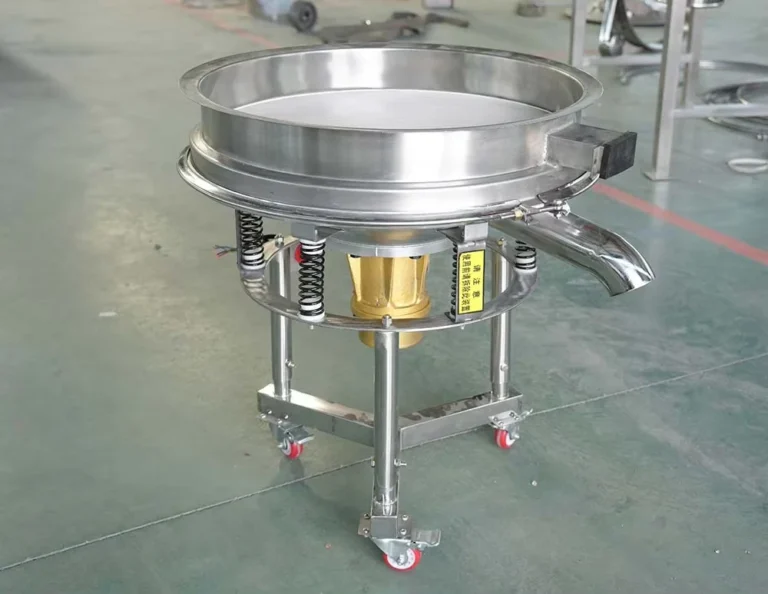
How to Choose the Right Rotary Vibrating Screen for Your Material
Selecting the wrong rotary vibrating screen can lead to more than just poor performance—it often results in low screening efficiency, frequent clogging, unnecessary downtime, and higher operational costs. Many buyers focus only on price or basic specifications, only to find the equipment doesn’t match their actual material or production needs.
In this guide, we’ll help you quickly identify the right rotary vibrating screen for your application. By understanding key factors such as material characteristics, mesh size, capacity, and industry requirements, you can make a more informed decision and avoid costly mistakes.
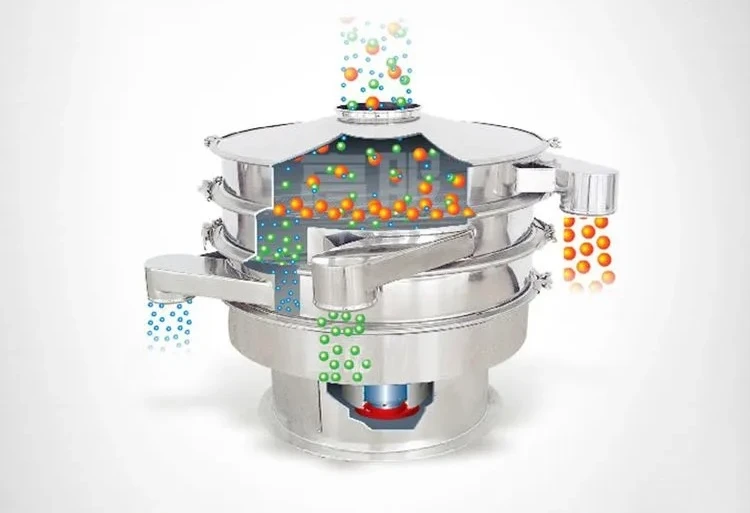
Why Choosing the Right Rotary Vibrating Screen Matters?
Selecting a suitable rotary vibrating screen is a key step in ensuring stable and efficient production. The machine must match the material characteristics and processing requirements; otherwise, performance issues and hidden costs will quickly appear during operation.
Screening Efficiency
An unmatched configuration reduces throughput and increases the risk of blinding or material buildup.
Product Quality
Improper mesh selection or unstable motion leads to inconsistent particle separation.
Equipment Lifespan
Handling materials beyond the machine’s design range accelerates wear on screens and key components.
Production Costs
Inefficiencies, maintenance, and material loss collectively raise overall operating costs.
Factors to Consider When Selecting a Rotary Vibrating Screen
1. Material Name and State
Powder/granules/slurry? Dry or moist? Is it oily, hygroscopic, or prone to caking?
2. Particle Size Range and Target Cut-off Point
For example, “Incoming material is below 80 mesh; we want to separate out fine powder above 100 mesh”—the cut-off point determines the mesh size and number of layers, and also determines whether you can consistently meet the specifications.
For a practical example, see how we configured rotary vibrating screens for 60 and 80 mesh abrasive screening, considering contact materials, screen arrangements, and production line connections.
3. Material Properties (The more specific, the better)
Bulk density/true density (affects capacity and stack height); viscosity, sugar/oil content, fiber content (affects screen clogging); static electricity, flammability/explosiveness, corrosiveness (affects material selection and sealing); temperature (affects the lifespan of seals and screen frames)
4. Processing Capacity
What is the required hourly processing capacity? Is continuous production required?
5. Material of Construction
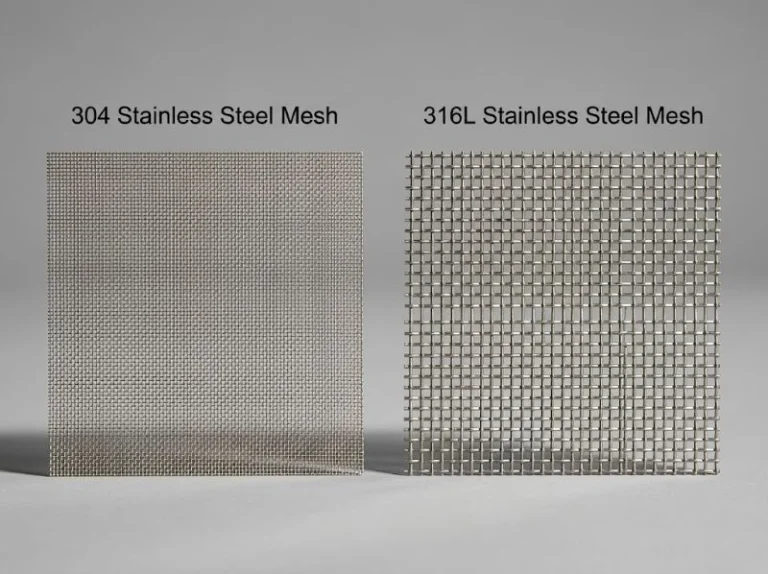
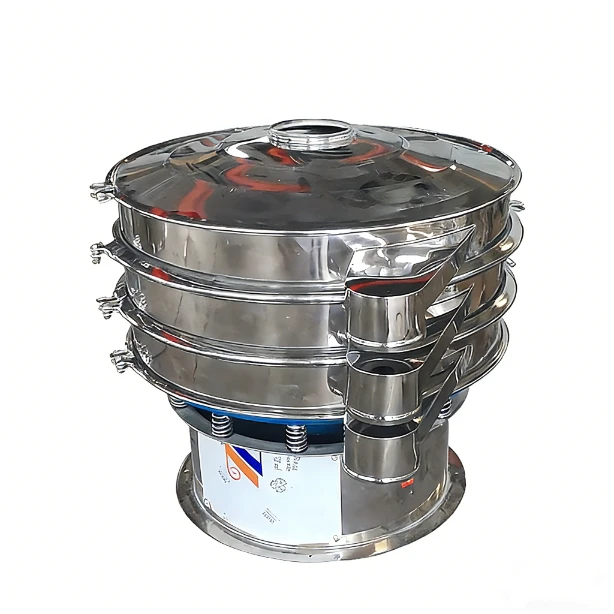
SUS304, SUS316: Suitable for food and pharmaceutical applications; Carbon steel: Suitable for general industrial applications.
6. Special Requirements
Explosion Protection (ATEX), Dust Control, Sealing Performance
7. Number of Screening Layers
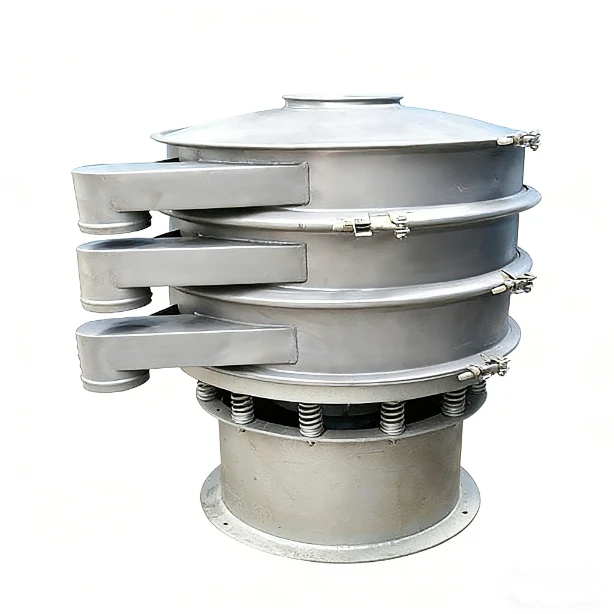
Single Layer: Suitable for simple separation tasks
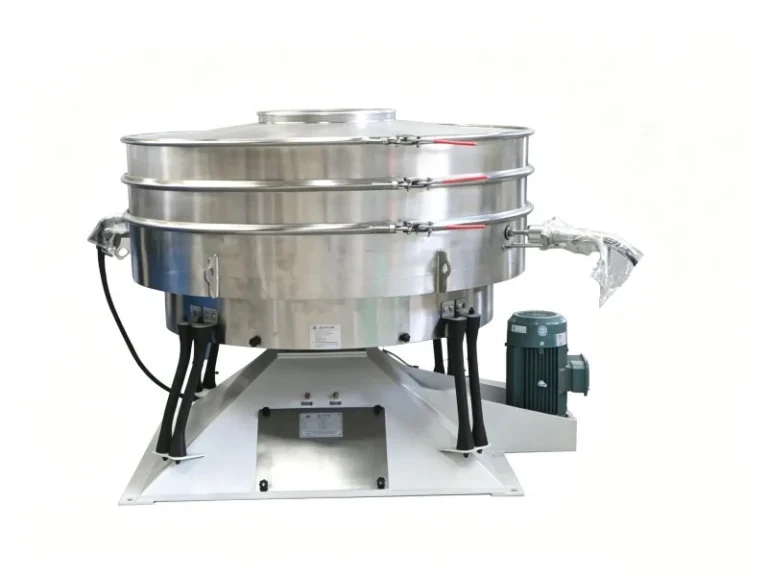
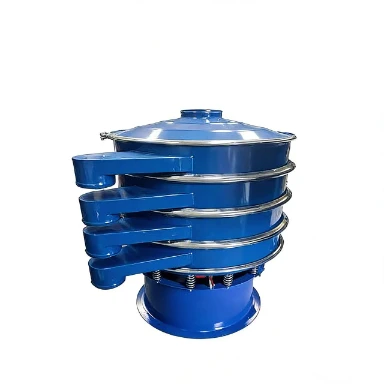
Multiple Layers: Used for precise grading into two or more size fractions in a single operation, improving efficiency and reducing the need for additional equipment.
8. Hygiene and Compliance Requirements
The food and pharmaceutical industries typically have specific requirements regarding materials, dead corners, and cleaning methods; the chemical and mining industries, on the other hand, place greater emphasis on wear resistance, corrosion resistance, sealing, and dust prevention.
This information determines: how to select the screen mesh, how to select the material, how to select the sealing method, and whether to incorporate ultrasonic or anti-clogging solutions; it also determines whether the vibrating screen “can operate stably.”
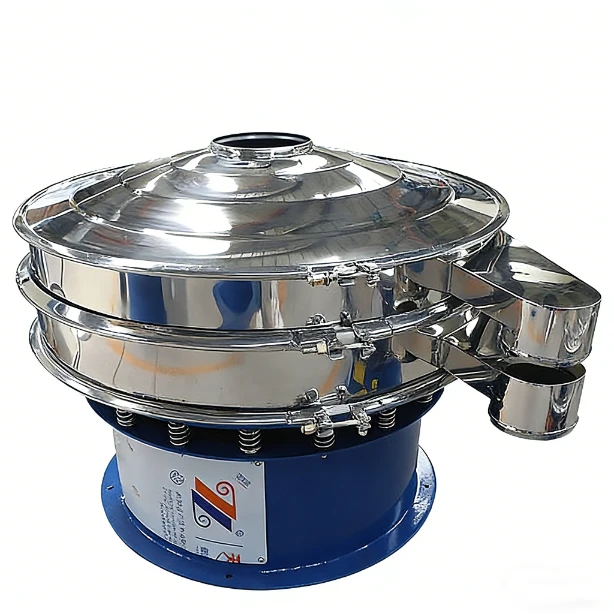 1 layer
 2 layers
 All carbon steel
 All stainless steel
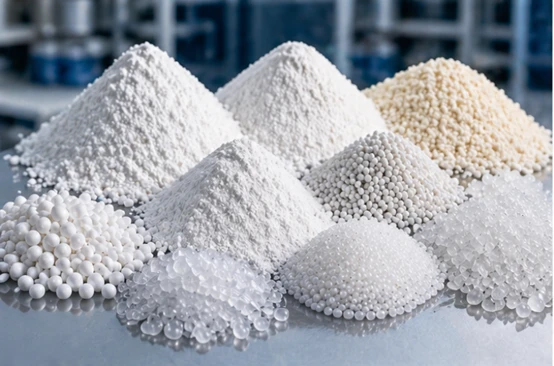
Rotary Vibrating Screen Selection by Industry
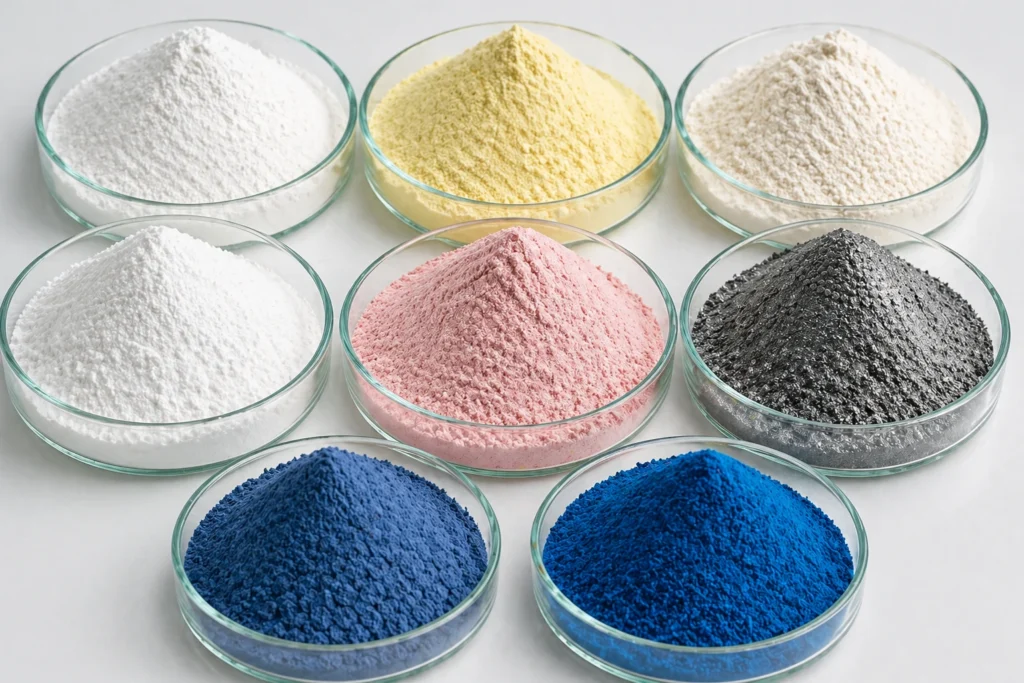
Fine Powder Classification
Multi-stage screening of fine powders, including pharmaceutical intermediates, food additives, metal powders, and pigments.
Chemical Material Processing
Removal of impurities and classification of chemical raw materials, fillers, and additives to meet anti-corrosion and leak-proof requirements.
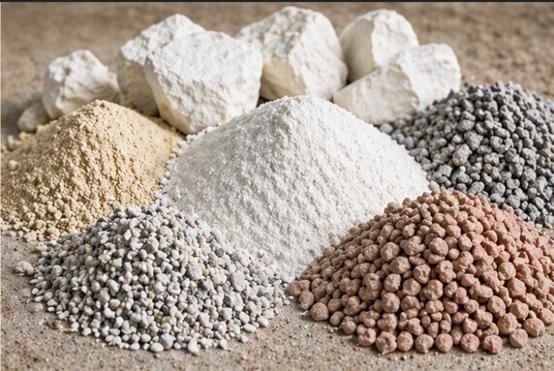
Mining and Construction Materials
Particle size classification and impurity removal for non-metallic minerals such as quartz sand, calcium carbonate, and kaolin.
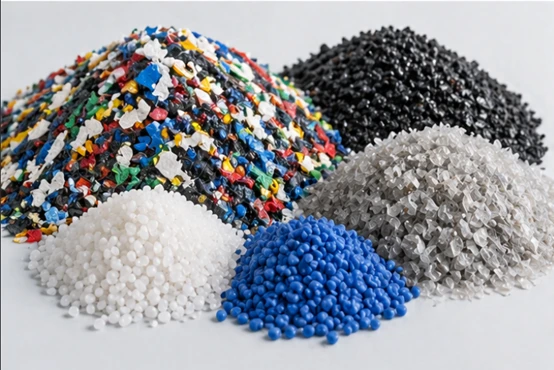
Environmental Protection and Recycling
Screening and recycling of waste plastics and metal scraps to facilitate resource reuse.
Rotary Vibrating Screen Selection: Performance and Specification Factors
Performance data and technical specifications provide a solid basis for selecting the right model.
1. Screening Accuracy and Throughput
Rotary Vibrating Screen: Screening accuracy of 95% or higher, with a throughput of 0.1–20 t/h (depending on model and material), suitable for particle sizes from 20 μm to 10 mm.
Multi-deck Vibrating Screens: Capable of simultaneously separating 2–6 particle size ranges, particularly suitable for precision production requiring multi-stage classification.
Chemical Vibrating Screens: While ensuring accuracy, these screens feature enhanced corrosion resistance and sealing to prevent material contamination and dust leakage.
2. Common Models and Materials
Standard diameters: Φ600 mm, Φ800 mm, Φ1000 mm, Φ1200 mm, Φ1500 mm; select based on production capacity.
Materials: Parts in contact with materials can be made of 304/316L stainless steel to meet the requirements of clean and corrosive environments in the food, pharmaceutical, and chemical industries; carbon steel is available for general applications.
3. Drive and Control
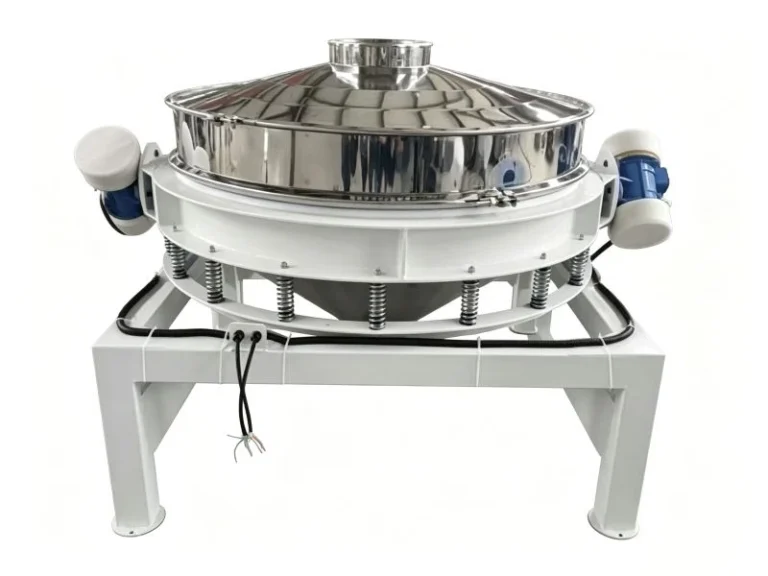
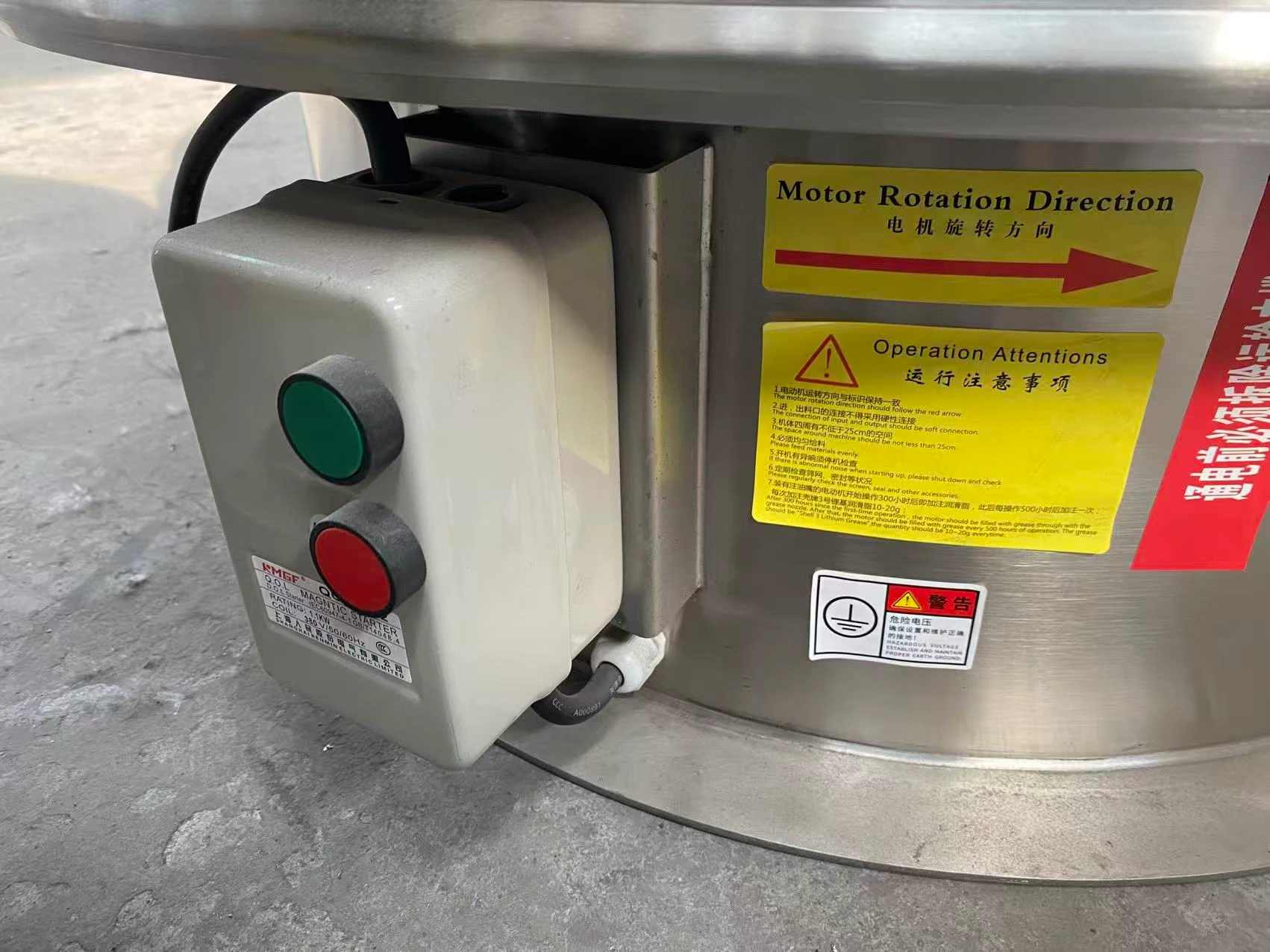
Driven by a vertical vibration motor with adjustable excitation force, the screening effect can be optimized according to material characteristics.
Some models support variable frequency control, offering greater flexibility to adapt to the screening requirements of different materials.
| Screen Diameter | Fine Powder (≤100 mesh) | Medium Powder (20–100 mesh) | Granular Material (>20 mesh) | Typical Applications |
| Φ600 mm | 0.1 – 0.5 t/h | 0.3 – 1 t/h | 0.5 – 1.5 t/h | Food additives, pharmaceutical powder |
| Φ800 mm | 0.3 – 1 t/h | 0.8 – 2.5 t/h | 1 – 3 t/h | Chemical powder, metal powder |
| Φ1000 mm | 0.5 – 2 t/h | 1.5 – 4 t/h | 2 – 6 t/h | Fertilizer, plastic granules |
| Φ1200 mm | 1 – 3 t/h | 2.5 – 6 t/h | 3 – 8 t/h | Mining powder, quartz sand |
| Φ1500 mm | 2 – 5 t/h | 4 – 10 t/h | 5 – 15 t/h | Large-scale industrial screening |
How to Select Structural Parameters
When aiming for high precision with a vibrating screen, it is typically necessary to reduce the load on each individual unit so that the material spreads out evenly across the screen surface. If you require both high precision and high throughput, the common approach is not to simply increase the amplitude, but rather to: increase the screen diameter, add more units in parallel, and optimize upstream feeding (such as using screw or vibrating feeders) to ensure a stable feed rate.
1. Screen Diameter (Commonly referred to as 400/600/800/1000, etc.)
A larger diameter provides a larger screening area and higher theoretical capacity; however, it must fit within the available on-site space, floor height, and maintenance access pathways. For fine screening, the advantages gained from a larger diameter often provide greater stability than “blindly increasing amplitude.”
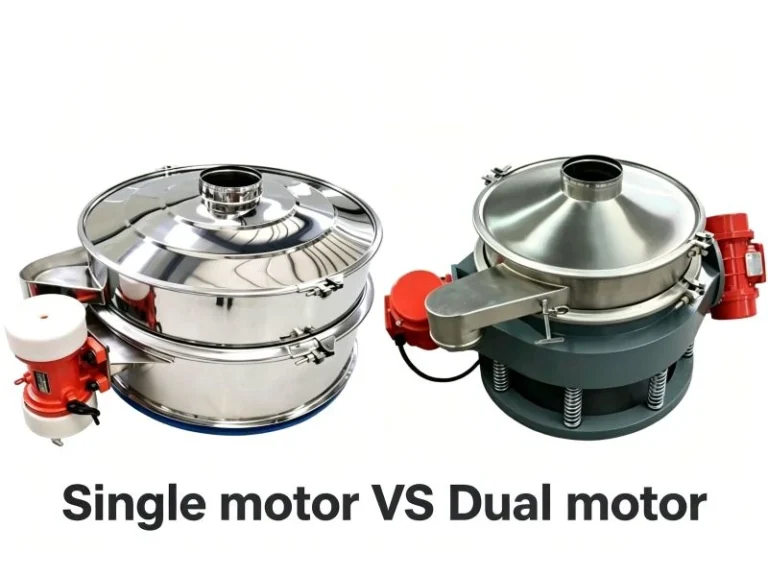
2.Motor/Vibration Method and Amplitude
Larger amplitude is not necessarily better. While high amplitude facilitates material passage and conveyance, it can lead to dust, noise, and impact on fine screens; fine screens require a “stable, uniform, and uninterrupted” operating state. The finer your target particle size, the more critical it is to prioritize vibration stability and even material distribution across the screen surface.
3. Materials and Contact Surfaces
The food and pharmaceutical industries commonly have requirements for contact surface materials, polishing, seals, and quick-release structures; chemical and mining applications must prioritize corrosion resistance, wear resistance, and seal reliability. Different materials also have specific preferences regarding screen mesh materials and frame configurations.
4. Sealing and Dust Control
Many instances of “on-site dissatisfaction” stem not from the inability to screen, but from poor dust control, difficult cleaning, and high risks of cross-contamination. Incorporating sealing methods, interfaces, and dust extraction port locations into the selection process will save significant effort later on.
5. Screen Cleaning/Anti-Clogging Configuration
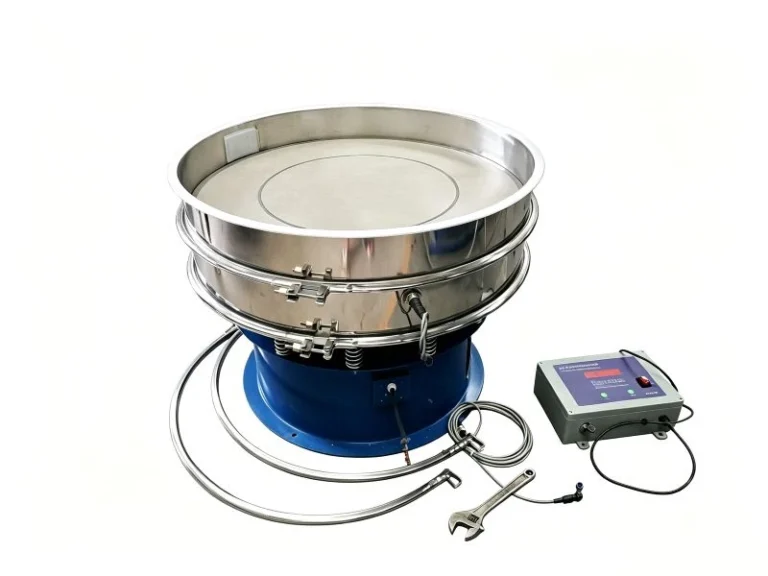
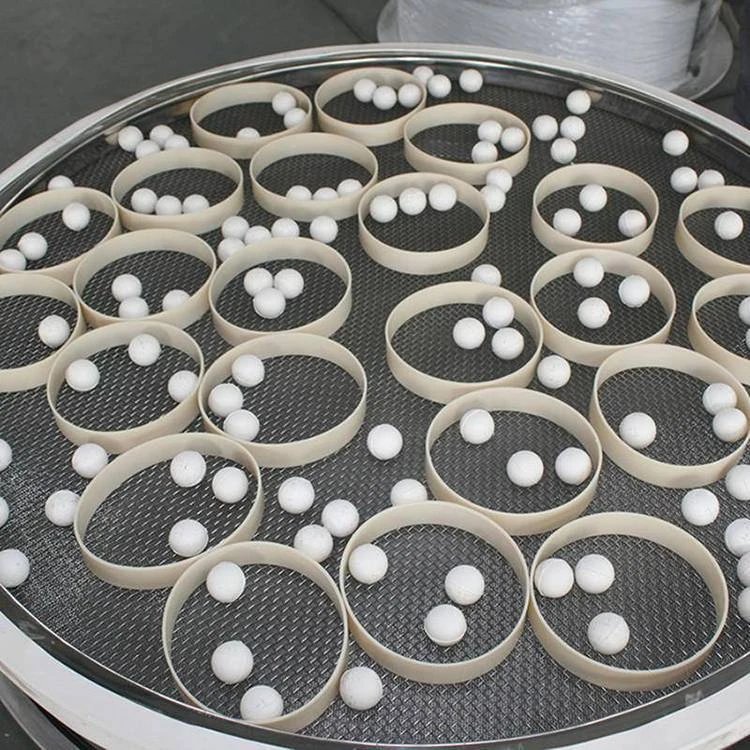
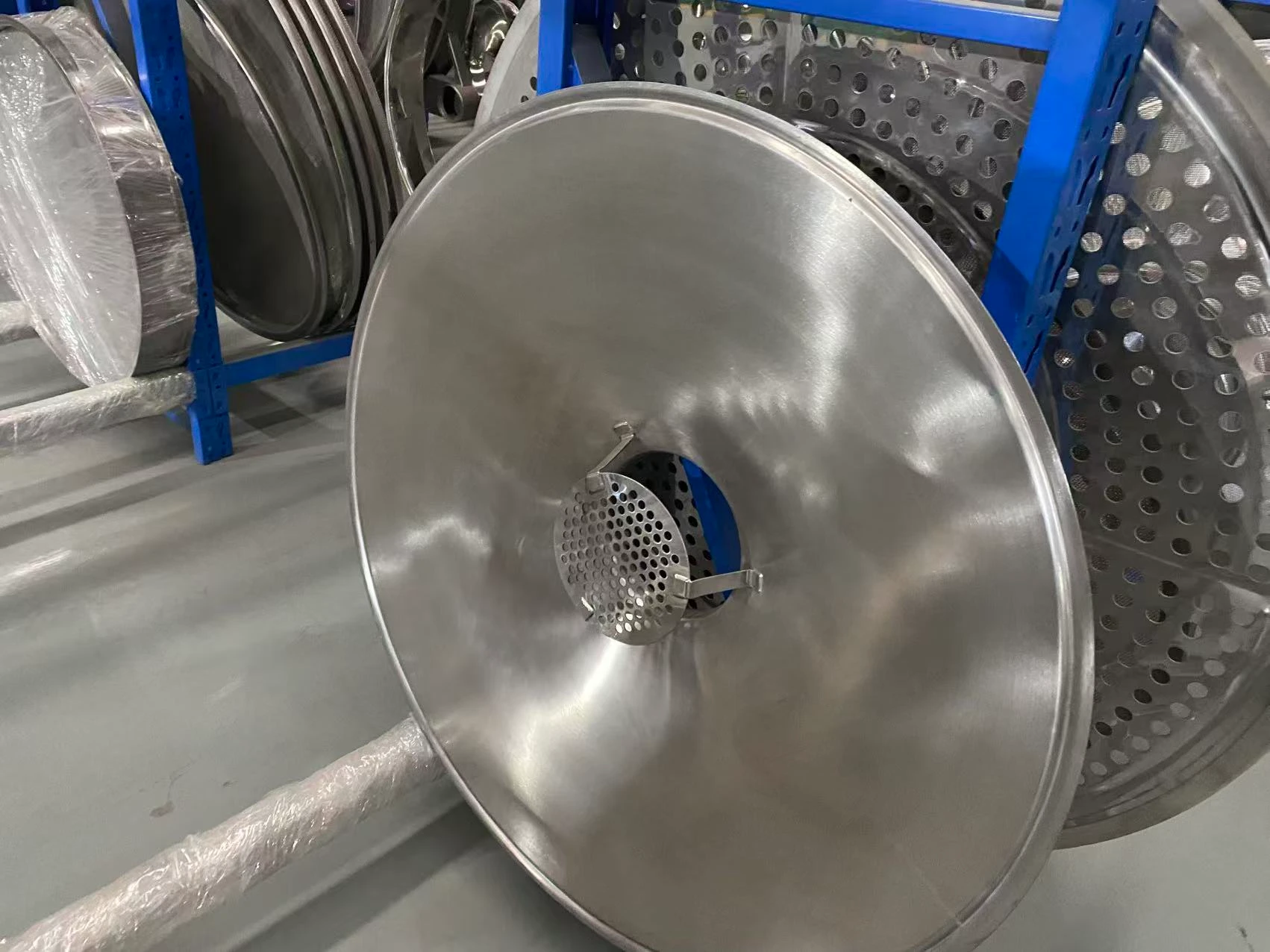
For applications involving fine powders, materials prone to agglomeration, or those with high adhesion, it is recommended to assess in advance whether ultrasonic assistance, bouncing balls, screen brushes, or other cleaning solutions are needed. Proper anti-clogging measures often significantly improve stability and reduce downtime.
When Do You Need a Custom Rotary Vibrating Screen?
Standard models cover most general screening tasks, but certain processes require adjustments to match specific materials, layouts, or operating conditions. In these cases, a custom design is often more practical than modifying a standard machine on-site.
Non-standard Dimensions
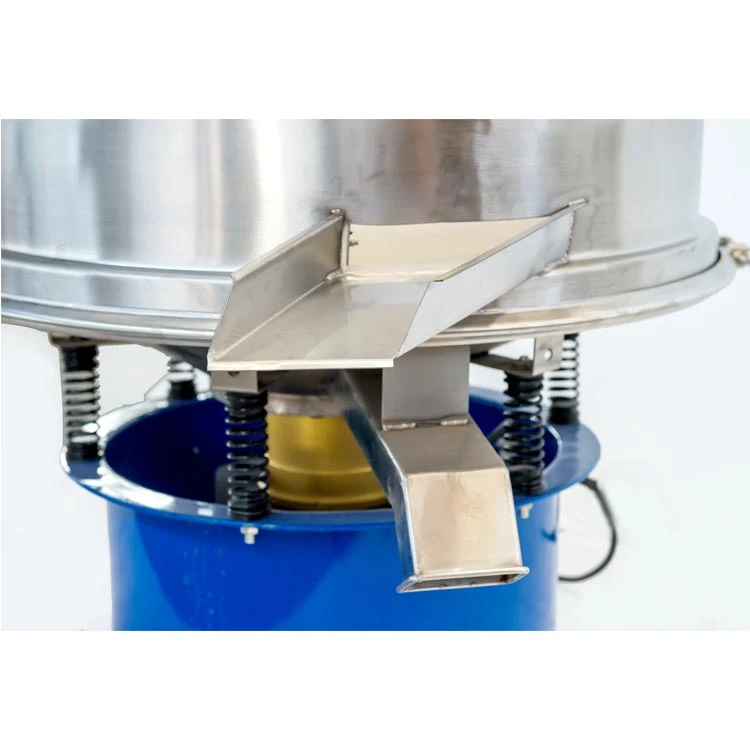
Limited installation space or existing line constraints may require a customized diameter or height.
Special Inlet/Outlet Design
Production lines with fixed layouts often need tailored inlet and discharge positions.
Difficult Materials
Materials that are sticky, ultra-fine, or prone to clogging may require specific anti-blinding or surface treatments.
High Temperature or Corrosive Conditions
Elevated temperatures or aggressive materials call for upgraded materials and sealing solutions.
Integration with Automated Systems
Automated lines may require compatibility with feeders, conveyors, or control systems.
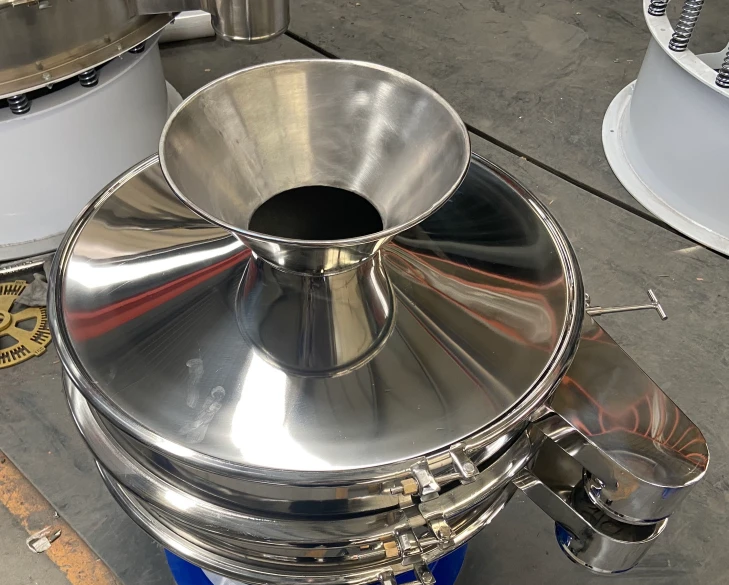
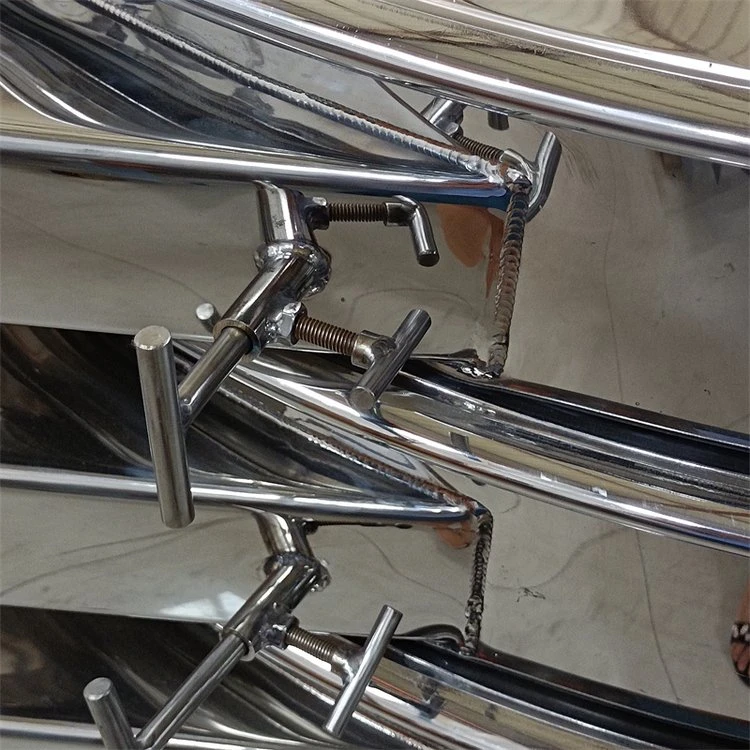
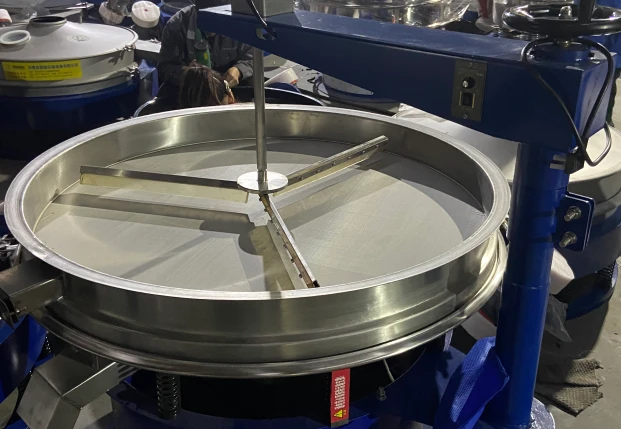
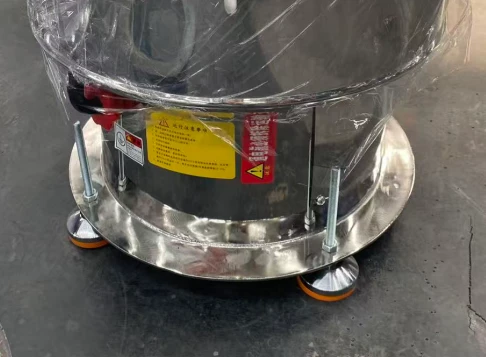
Rotary Vibrating Screen Selection Guide
The reason why rotary vibrating screens are widely used in fine screening applications is straightforward:
Controllable screening precision
By matching mesh size, amplitude, frequency, and material conditions, the screen can reliably ensure that “what should pass through does, and what should be retained stays.”
Flexible processing options
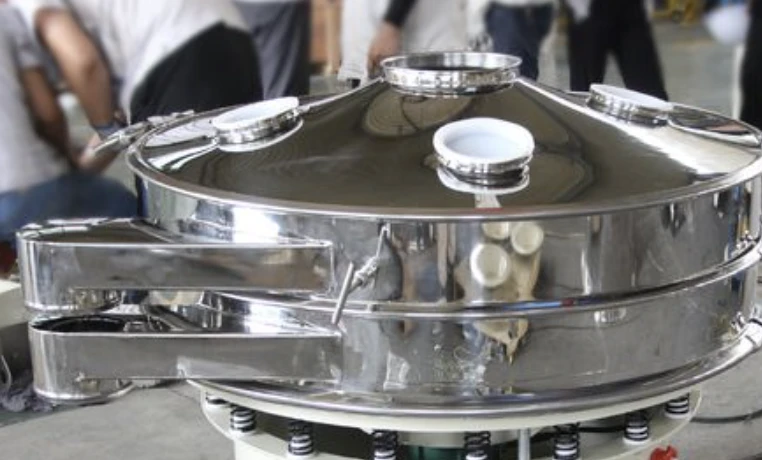
They can be configured as single-layer coarse screens, double-layer classification systems, or multi-layer continuous classification systems, and can also be integrated into process combinations such as impurity removal, screening, and filtration.
Relatively compact design
They have a small footprint and are easy to integrate with feeding, conveying, packaging, or dust collection systems.
Wide range of adjustments
By replacing screens, adjusting vibration parameters, and modifying discharge port configurations, the equipment can adapt to different material batches and operational fluctuations
However, rotary vibrating screens are not “universal screens.” When materials are too sticky, too wet, prone to agglomeration, or prone to static electricity, or when extremely high-capacity continuous screening is required, the process route may need to incorporate ultrasonic screening, airflow assistance, dehumidification, pre-screening, or the use of other screen types.
Conclusion
Selecting the right rotary vibrating screen requires ensuring that the machine aligns with the material characteristics and production requirements. Factors such as particle size, moisture content, processing capacity, and screening accuracy play a crucial role in ensuring optimal performance and cost-effectiveness. If you are unsure which configuration is best suited for your application, please contact us immediately and provide details about your materials and processing needs. Our team will recommend a customized solution to help you achieve reliable and efficient screening results.