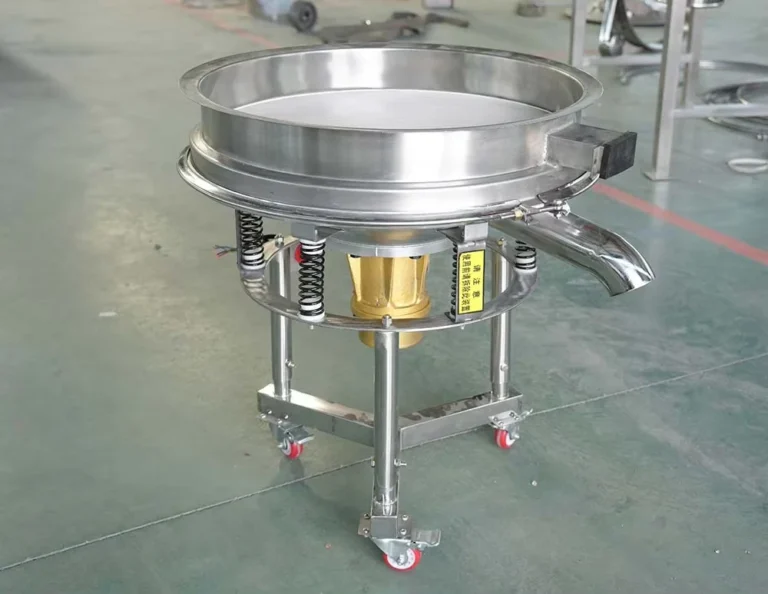
How to Choose the Right Lab Sieve Shaker for Particle Size Analysis
Choosing the right laboratory screening machine involves more than just comparing specifications; the biggest challenge lies in matching the type and configuration of the machine to the actual testing conditions. This article will analyse in detail the key factors you need to evaluate to help you make a reliable and technically compliant decision, thus striking a balance between performance, compliance, and long-term value.
What Is a Lab Sieve Shaker and Why Does It Matter in Particle Size Analysis
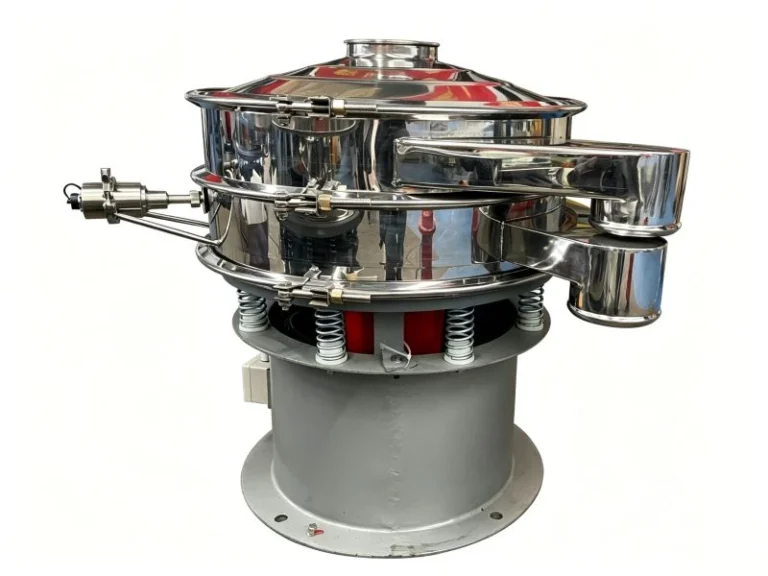
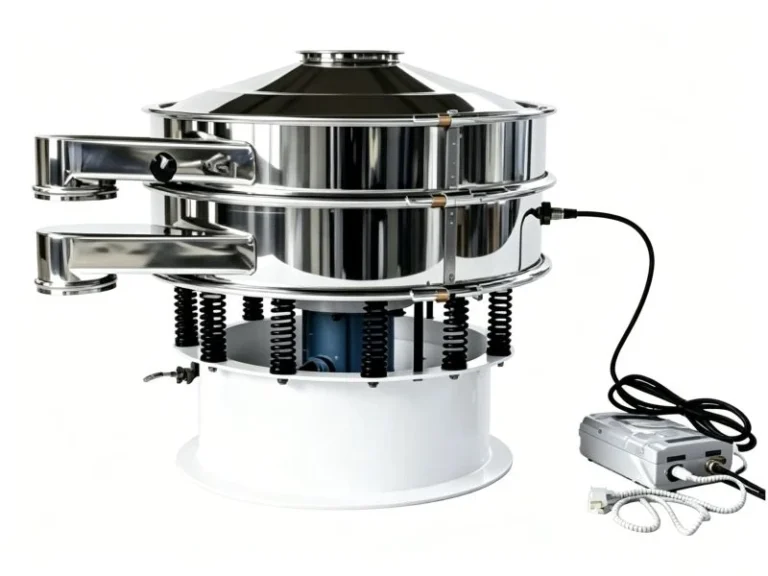
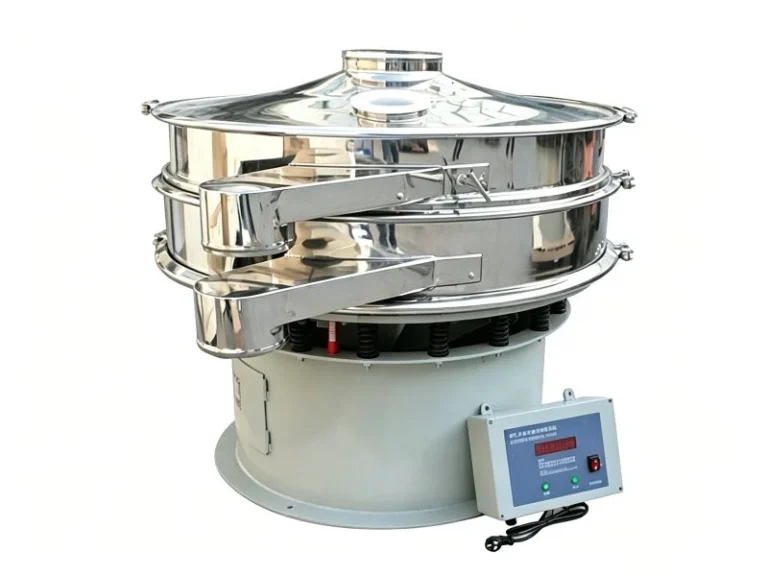
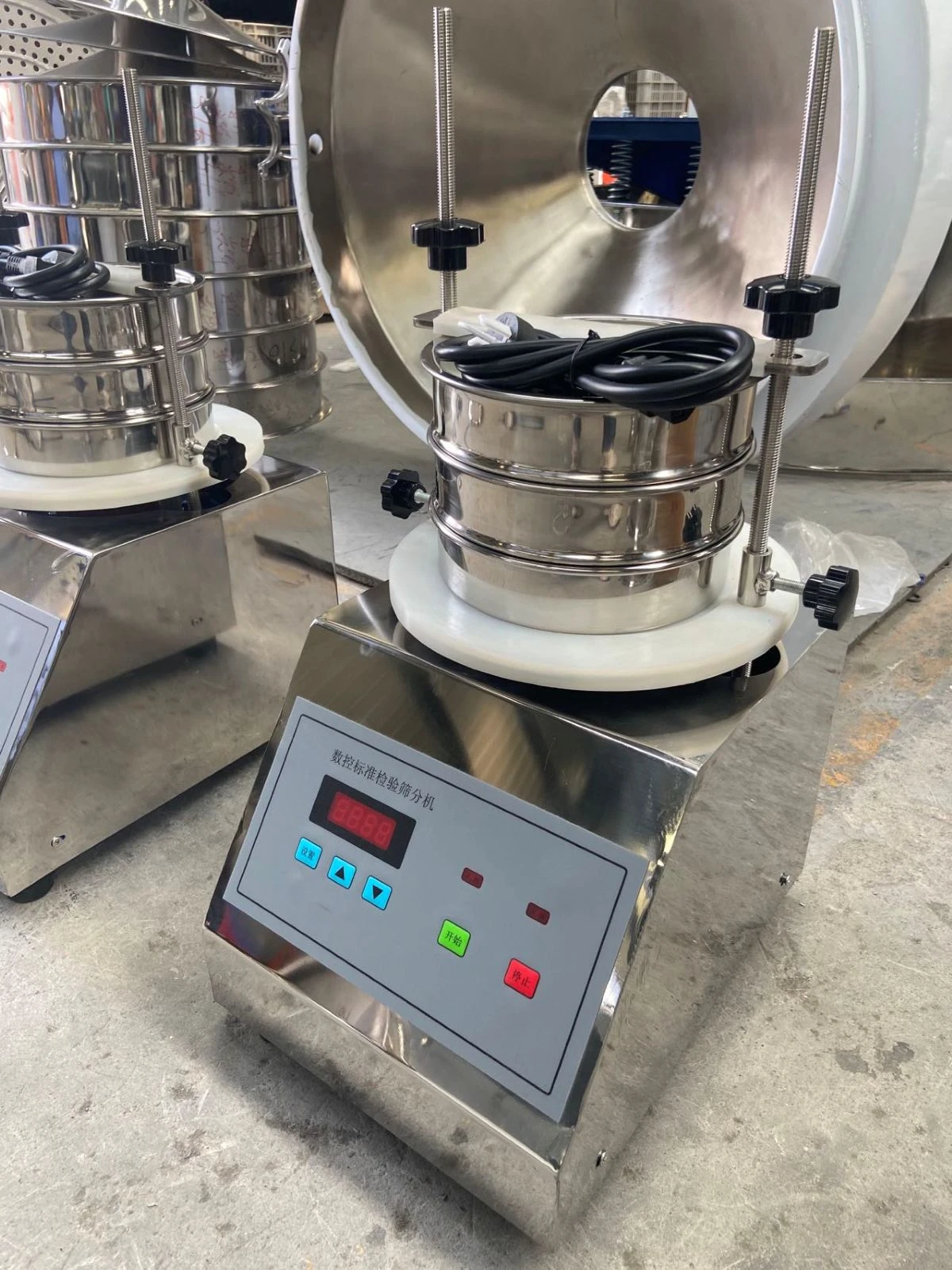
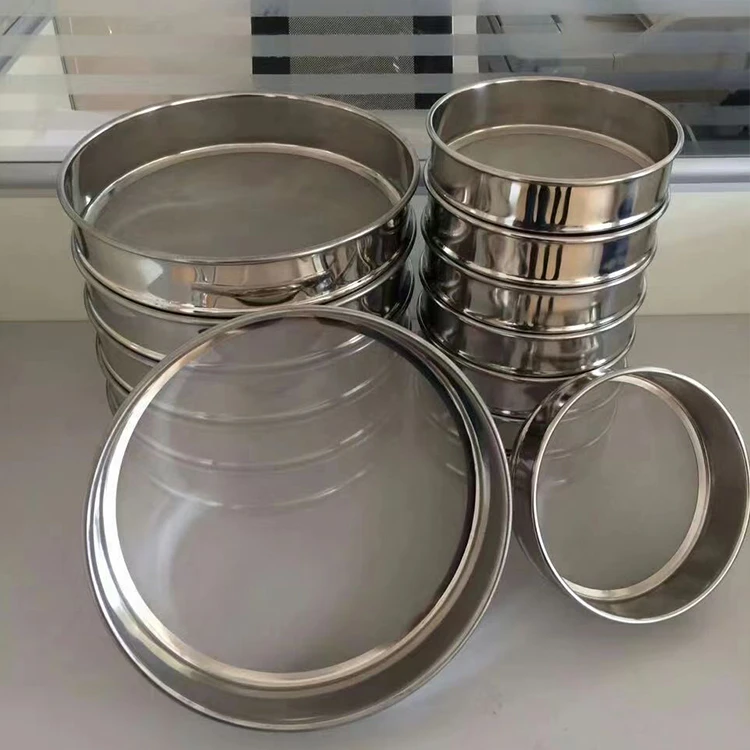
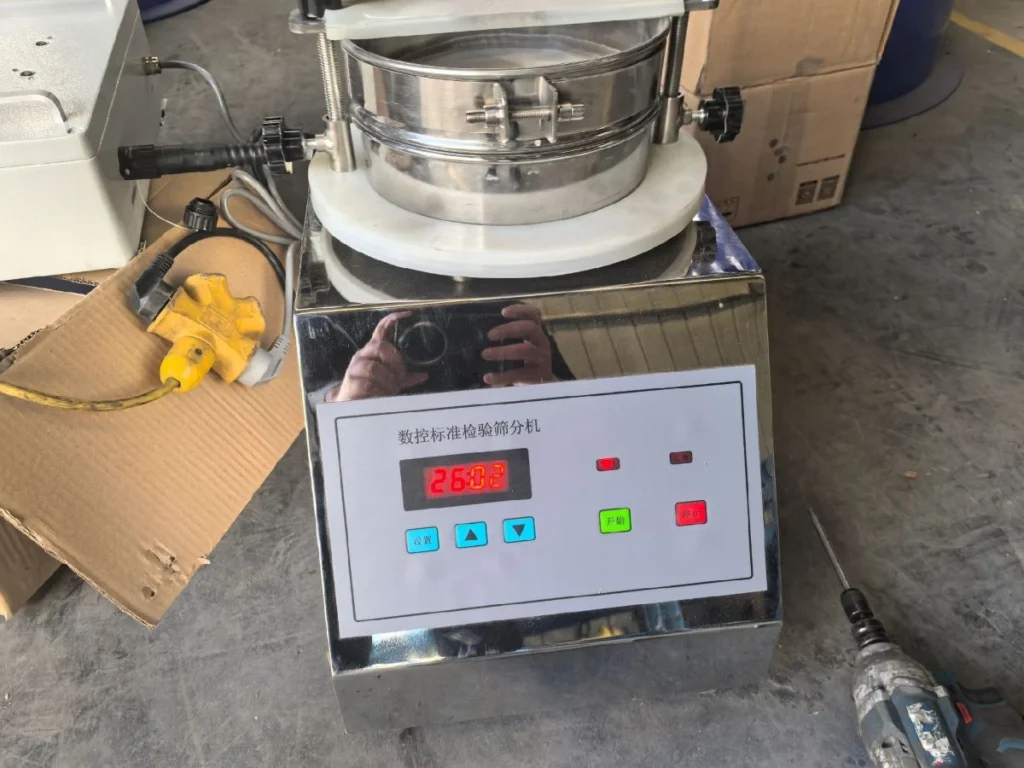
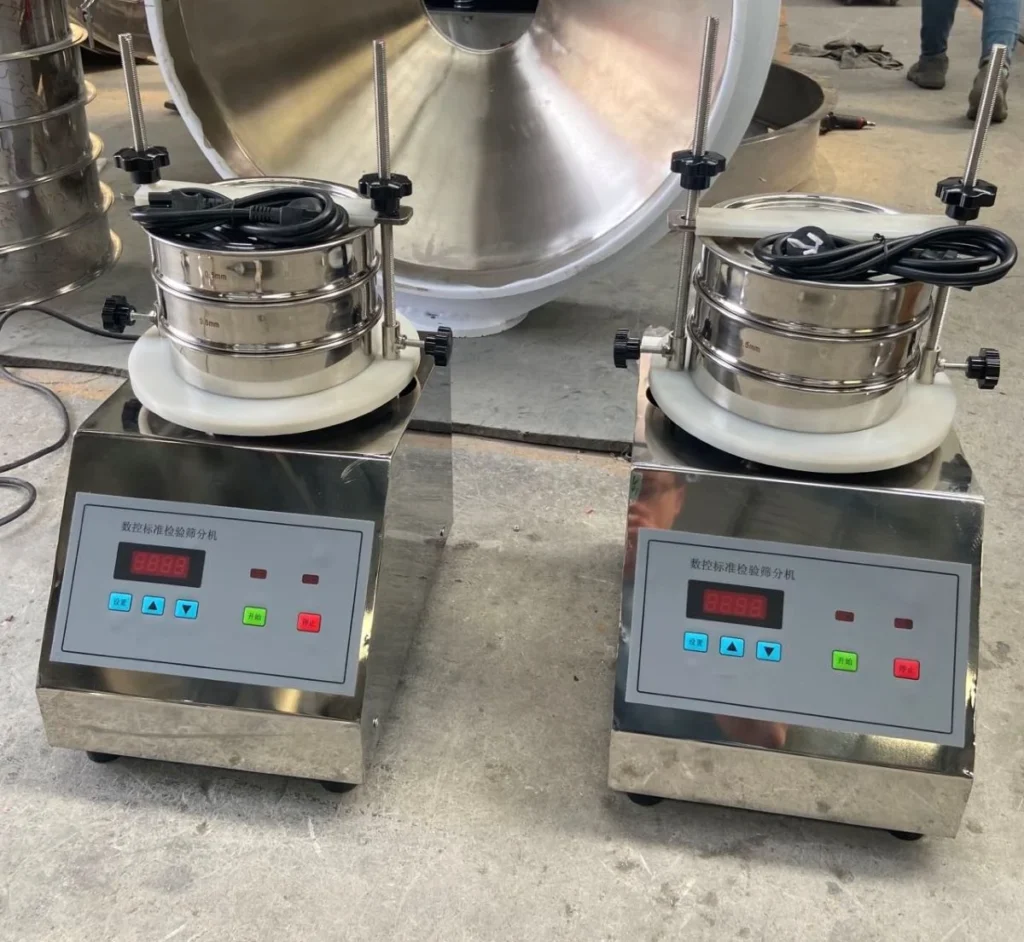
The Lab Sieve Shaker uses a vertical vibrating motor as the vibration source for the entire machine. The motor drives the upper vibrating plate to vibrate, and the vibration is transmitted to the sieve frame placed on the upper part of the vibrating plate. The sieve frame that needs to be tested then separates the material particles smaller than the sieve mesh size to the lower sieve frame.
This process of screening layer by layer ensures that each layer of the test sieve contains only material of the same particle size, achieving the separation of different particle sizes and determining the particle size composition of the material. This allows the material in the sieve frame to effectively perform the purposes of filtration, grading, and screening.
- Material is mechanically separated using calibrated sieves to determine particle size distribution.
- This improves test consistency compared to manual sieving methods.
- It conforms to ASTM and ISO testing standards.
- Suitable for various materials, including powders, granules, and bulk solids.
- It enhances efficiency in laboratory, quality control, and production environments.
Choosing the right screening machine can not only improve testing accuracy but also reduce operational errors, shorten testing time, and ensure compliance with industry standards, making it ideal for organisations that require precise particle size analysis.
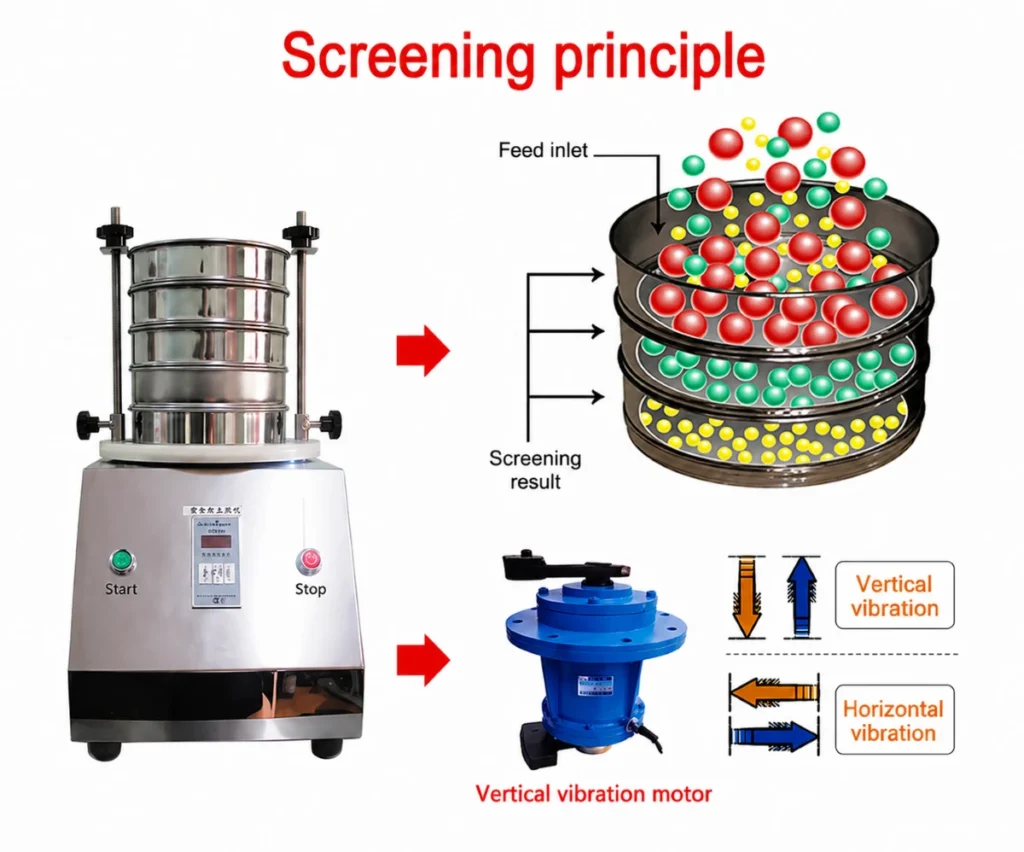
Key Factors to Consider When Choosing a Lab Sieve Shaker
When selecting a Lab Sieve Shaker, choose the appropriate equipment based on your actual testing needs, rather than simply relying on generic specifications. Key considerations include material characteristics, target particle size, applicable standards, and test volume, all of which directly affect the accuracy and efficiency of the test.
- Select Mesh Size by Material Particle Size: First, determine the target particle size range, then select the corresponding mesh size sieve to avoid blind selection.
- Select Material by Working Condition: For clean/corrosive environments, choose standard stainless steel sieves; for general working conditions, brass/carbon steel materials are suitable.
- Select Sieve Frame by Equipment: Ensure the sieve frame diameter and height are perfectly matched to your existing vibrating screen (such as a tapping vibrating screen or a rotary vibrating screen) to avoid installation problems.
- Prioritise Standard Specifications: Standardised mesh sizes and sieve frame specifications offer greater versatility and facilitate after-sales service and replacement.
Types of Lab Sieve Shakers: Which One Fits Your Application?
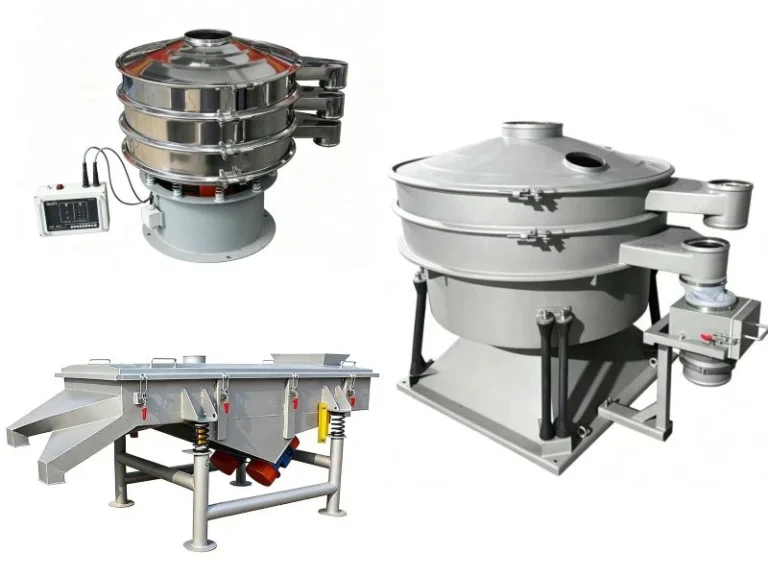
Selecting the right type of lab sieve shaker depends on particle characteristics, required accuracy, and test standards. Different technologies apply different energy forms to achieve separation, which directly affects efficiency, repeatability, and suitability for specific materials. In practice, rotary vibrating screen, ultrasonic Vibrating Sieve cover most laboratory applications, each with clear operational limits.
| Type | Working Principle | Typical Particle Range | Accuracy Level | Typical Throughput | Noise Level | Routine lab testing, education, and basic QC |
| Standard Lab Sieve Shaker | Basic mechanical vibration (single-axis) | 50 µm – 50 mm | Medium | 0.5–2 kg per test | 55–70 dB | Routine lab testing, education, basic QC |
| Rotary vibrating screen | 3D vibration (vertical + horizontal + rotational) | 20 µm – 125 mm | Medium–High | 1–5 kg per test | 60–75 dB | General lab use, aggregates, food, mining |
| Ultrasonic Vibrating Sieve | Acoustic energy + vertical tapping | 5 µm – 3 mm | High | 10–100 g per test | 70–85 dB | Fine powders, pharmaceuticals, additives |
- Lab sieve shakers are suitable for basic sieving, but have limited repeatability and precision.
- Rotary vibrating screens have a wide range of applications and are the standard choice for most laboratories.
- Ultrasonic vibrating screens are better suited for easily agglomerated ultrafine powders.
Important Specifications You Should Not Ignore
The main specifications determine whether a lab sieve shaker can deliver stable, repeatable test results under real operating conditions. Beyond basic functionality, parameters such as vibration control, sieve capacity, and system design directly affect screening efficiency, data consistency, and long-term usability.
- Amplitude and frequency control the energy input and directly affect separation efficiency
- Sieve diameter and stack capacity determine how much sample can be processed per test
- Timer and control system influence repeatability and ease of operation
- Noise level and structural design impact lab compliance and working conditions
Lab Sieve Shaker Application Scenarios
Lab sieve machines are widely used in particle size analysis to ensure the consistency of separation between different materials and the reliability of test results. Their applications cover laboratory testing, quality control, and production monitoring across multiple industries.
Laboratory Particle Size Analysis: Determines the particle size distribution of materials using standard sieves and a vibrating sieve machine, and generates test reports.
Production Grading and Screening: Performs multi-stage particle size classification on powders and granules to obtain products with different particle size ranges.
Quality Inspection and Incoming Material Acceptance: Verifies whether the particle size of raw materials/finished products meets industry standards or customer requirements. Research and Process Optimisation: Studies the impact of material particle size on product performance and optimises production processes.
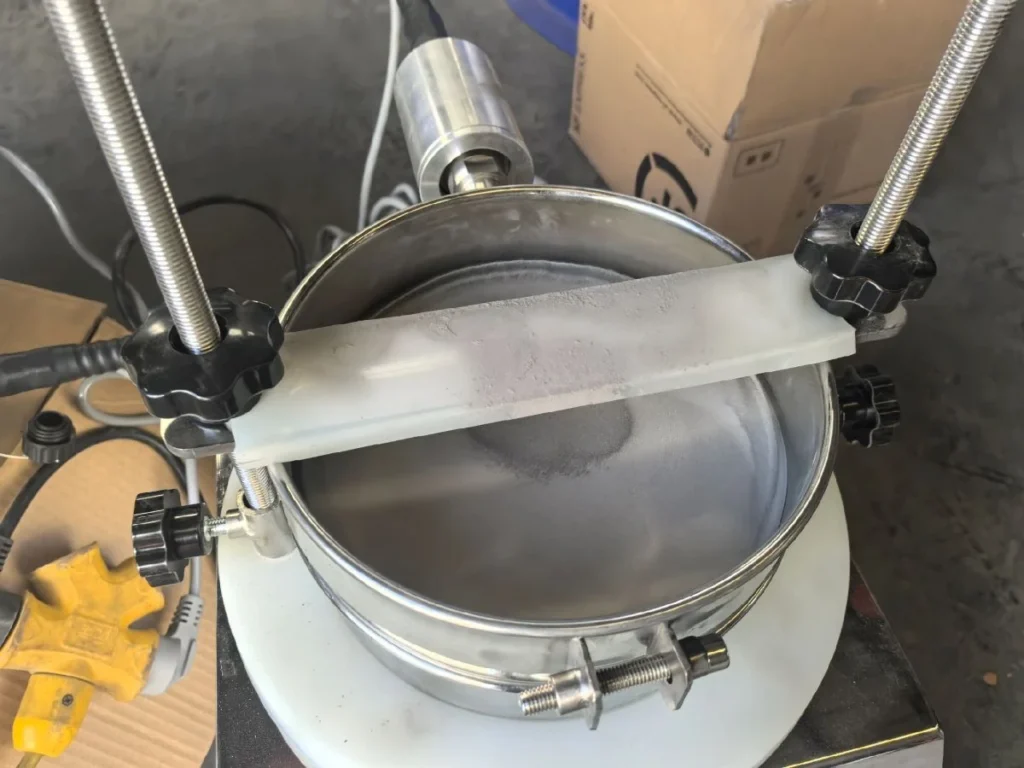
Common Mistakes When Buying a Lab Sieve Shaker
When purchasing laboratory sieve shakers, most mistakes stem not from the equipment itself, but from unclear testing requirements and inappropriate selection criteria. The following are points that buyers often overlook:
1. Selecting powder screening based solely on price typically results in poor repeatability and higher long-term testing costs.
2. Ignoring material properties can result in inaccurate separation or sample clogging during operation.
3. Ignoring standard requirements can result in test data failing ASTM or ISO compliance checks.
4. Selecting the wrong capacity can lead to underutilization of the equipment or insufficient testing throughput.
5. Neglecting maintenance and calibration requirements can reduce measurement stability.
Conclusion
Selecting the right laboratory sieve shaker can improve reproducibility, ensure compliance with standards, and reduce testing errors caused by improper setup or incompatible materials. In practical applications, making the right choice helps laboratories maintain consistent data quality in their daily quality control and R&D work.
If you are evaluating various options for your application, our technical team can help you determine the most suitable configuration based on your material type and testing standards.