Difference Between Tumbler Screen And Rotary Vibrating Screen
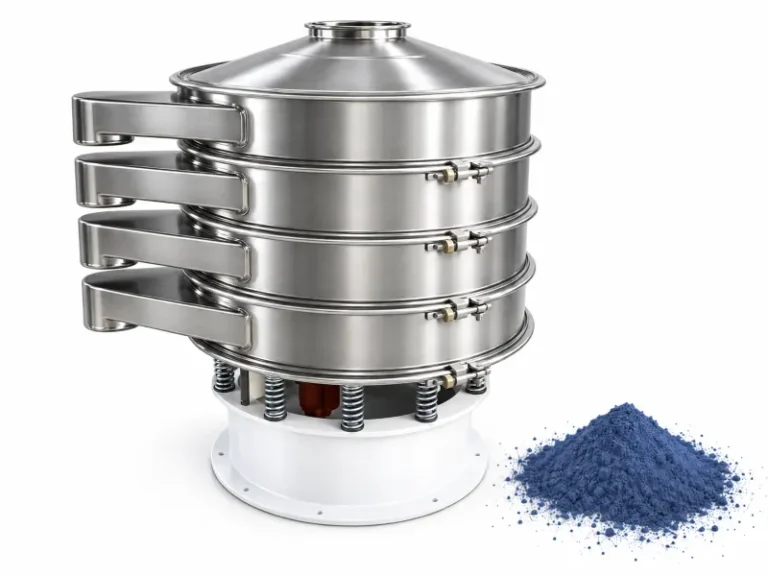
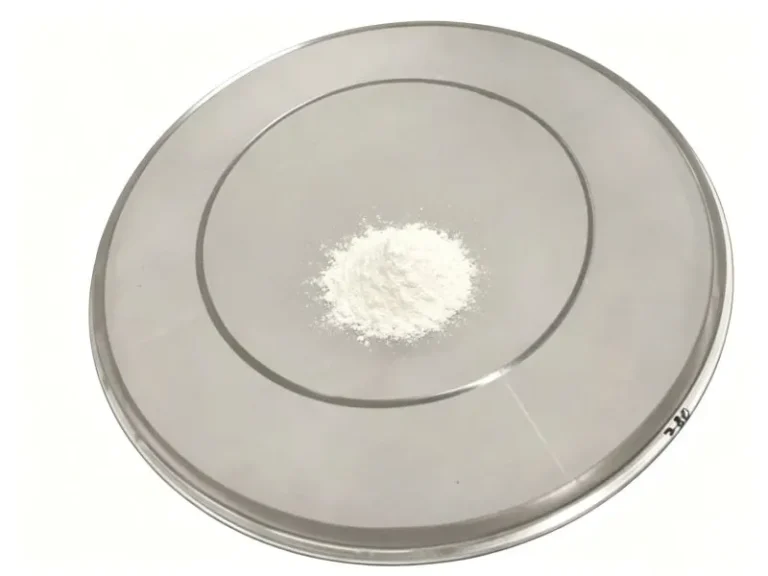
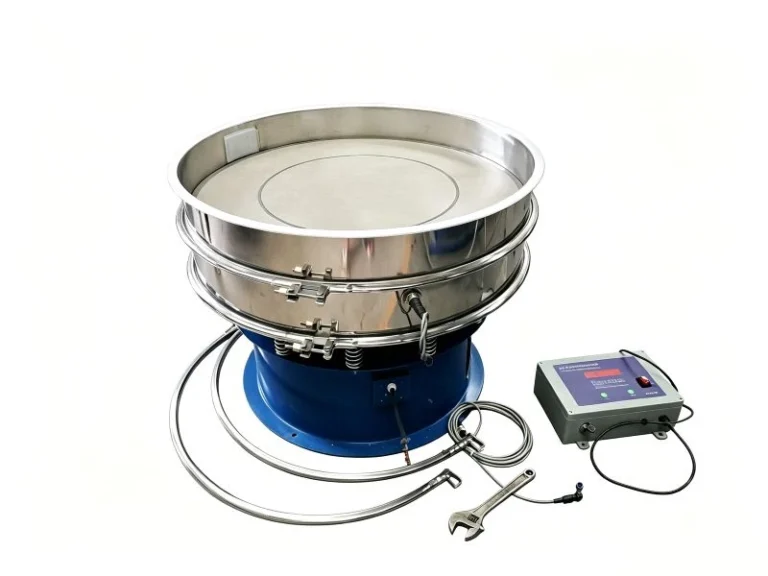
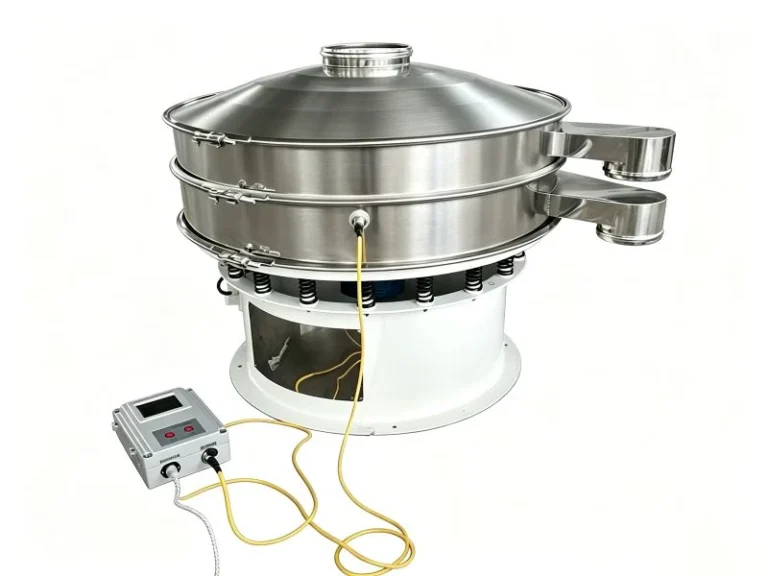
Tumbler screens and rotary vibrating screens each cater to different industrial sieving needs. Rotary vibrating screens are suitable for processing large volumes of material and performing general-purpose screening, offering fast screening speeds. Tumbler screens are particularly well-suited for high-precision, gentle screening of fragile or fine materials.
In this guide, we will provide a detailed comparison of these two types of screening equipment. By gaining a deeper understanding of their differences in performance, capacity, and cost, you will be better equipped to select the most suitable screening equipment based on specific material characteristics and application scenarios.
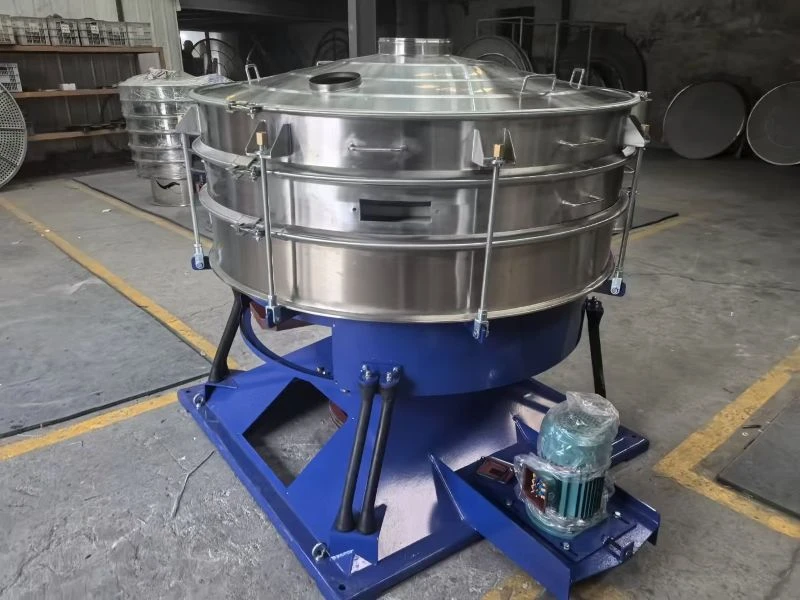
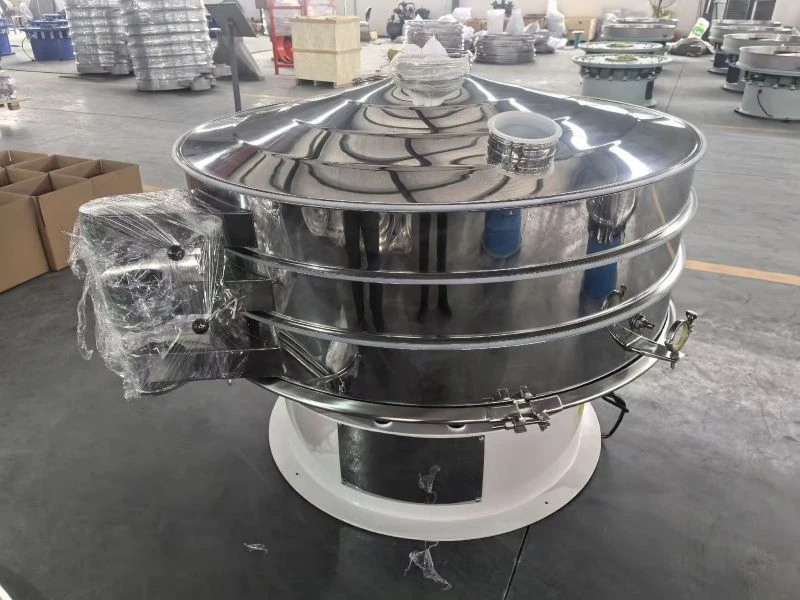
The Different Operating Principles of Tumbler Screens and Rotary Vibrating Screens
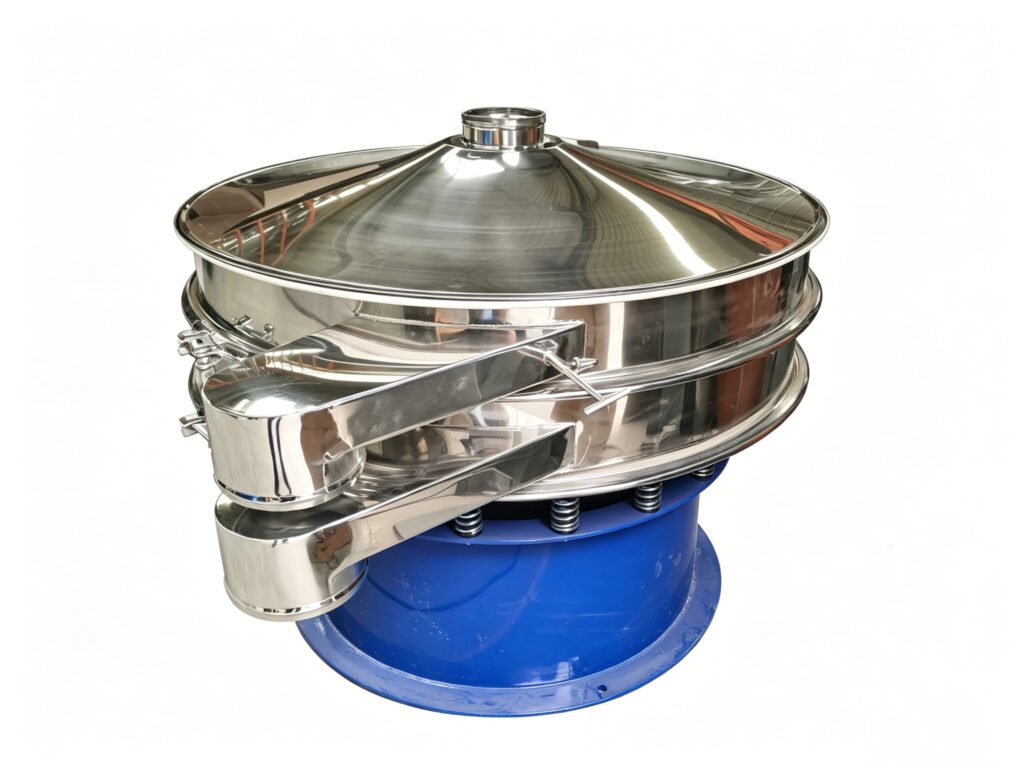
The rotary vibrating screen is powered by a motor equipped with an eccentric weight. The unbalanced counterweight drives the equipment to perform a three-dimensional rotational vibration movement in horizontal, vertical, and inclined planes, causing the screen surface to follow a circular trajectory at an angle to the horizontal plane. This unique motion allows for flexible adjustment of the material’s travel path, delivering excellent screening results and making it suitable for screening a wide variety of materials.
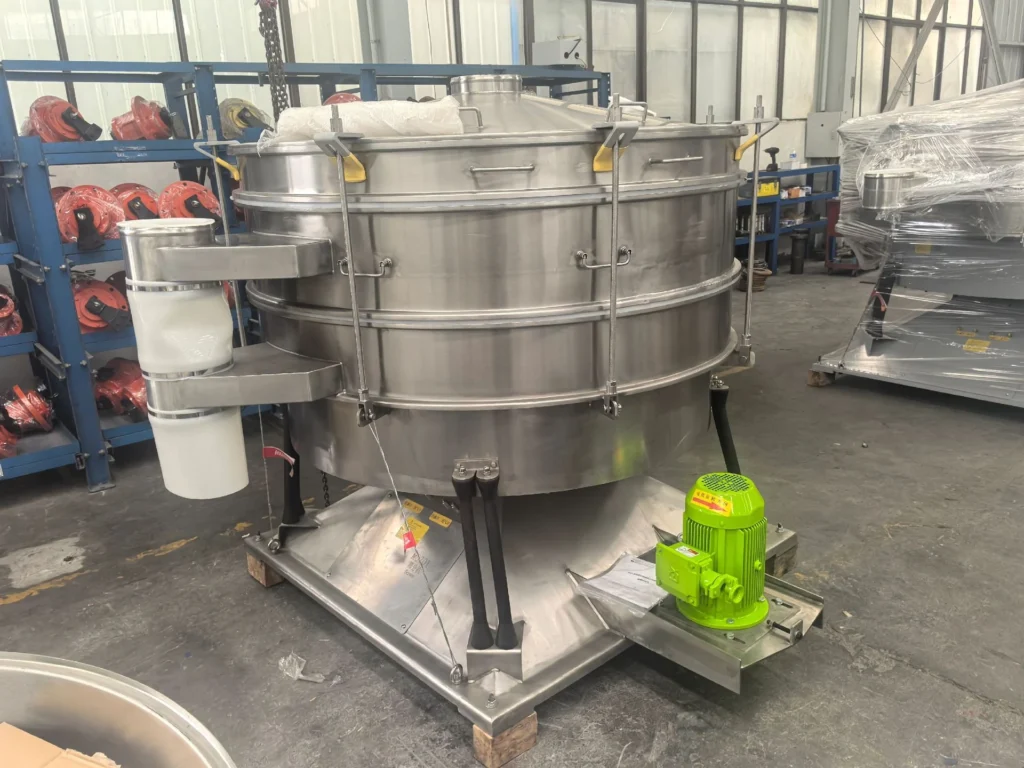
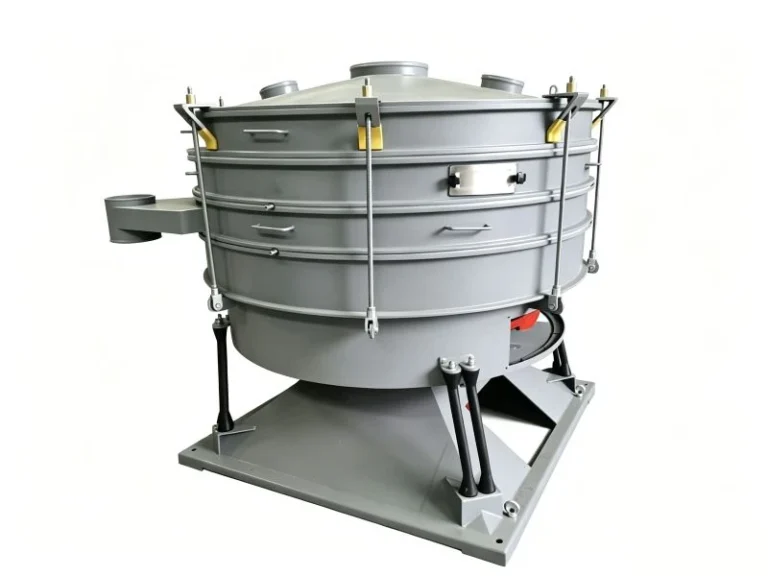
The tumbler screen simulates the principle of manual screening and is a low-frequency, high-efficiency screening device. During operation, it forms circular or elliptical oscillating trajectories, utilizing horizontal rotational vibration to induce non-linear three-dimensional spiral motion of the material on the screen surface. This motion effectively prevents screen mesh blockage, significantly improving screening efficiency and accuracy.
Screening Efficiency
Tumbler screens and rotary vibrating screens are widely used in industrial sieving applications, especially in systems such as powder sieving machine price evaluation and tumbler sieve machine selection.
The rotary vibrating screen offers stable screening performance and is better suited for conventional materials that are easy to separate and do not require tumbling assistance during screening. It is versatile and suitable for a wide range of applications.
The circular tumbler sieve, relying on its unique oscillating motion and multi-layer screen structure, ensures that the movement of materials better aligns with screening requirements. It effectively breaks up agglomerated materials while minimizing screen clogging, delivering high screening precision and outstanding efficiency when processing fine particles and difficult-to-screen materials.
For industries such as sugar sifter shaker, industrial salt sifter, and chili powder sieve machine applications, tumbler screens show significantly higher efficiency.
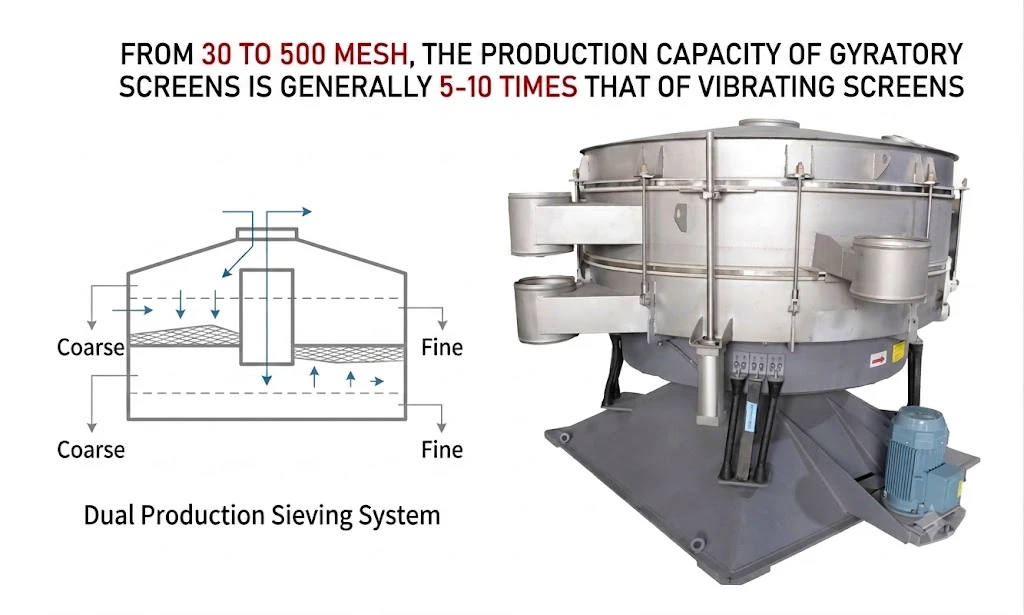
Based on practical application comparisons: for coarse materials of 30 mesh and above, the production capacities of rotary vibrating screens and tumbler screens are similar; for fine materials ranging from 30 mesh to 500 mesh, the production capacity of tumbler screens can reach 5 to 10 times that of rotary vibrating screens, demonstrating a significant advantage.
Differences in Screening Accuracy
Because the rotary vibrating screen operates in a three-dimensional motion, while the tumbler screen’s operating mechanism results in a significant increase in effective screening area, its screening accuracy can reach over 95%.
Differences in Motors Used
The vibrating motors used in rotary vibrating screens have a short service life and high maintenance costs. In contrast, the low-speed oscillation principle employed by the tumbler screen ensures a longer machine lifespan, making it a more suitable choice for users.
Impact on Materials
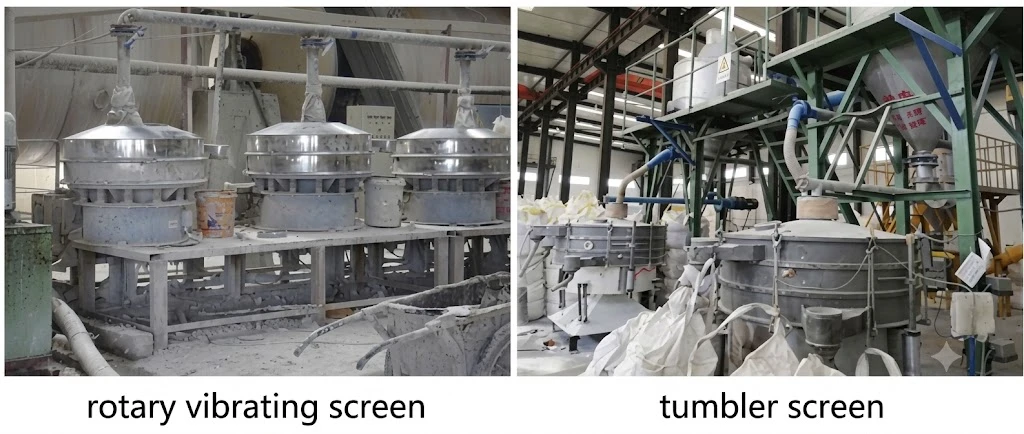
Rotary vibrating screens rely on high-speed vibration to screen materials, but this high-speed vibration can easily damage the material’s form. Therefore, granular, crystalline, and brittle materials such as chicken bouillon, monosodium glutamate, granulated sugar, and cooked foods are not suitable for screening with vibrating screens. In contrast, tumbler screens utilize a gentle elliptical rocking motion without high-speed vibration, causing minimal damage to the material. In sensitive industries such as cosmetics powder sieving machine production, tumbler screens help preserve material integrity,and significantly improve the yield of the final product.
Maintenance Frequency
Rotary vibrating screens operate on the principle of high-speed vibration. Severe vibration can cause significant damage to the equipment itself, and prolonged operation can lead to issues such as cracking and deformation. Damage to the screen mesh is rarely caused by normal wear and tear but rather by friction generated by the equipment’s own vibration.
Additionally, the equipment generates relatively high levels of operational noise, and the vibrating motors used in these machines have a shorter service life and require more frequent maintenance compared to standard motors. In contrast, the tumbler screen operates on the principle of low-speed, low-frequency oscillation, resulting in minimal mechanical wear. This not only effectively extends the equipment’s service life and reduces maintenance costs but also minimizes operational noise and enhances operational safety.
Different Cleaning Methods
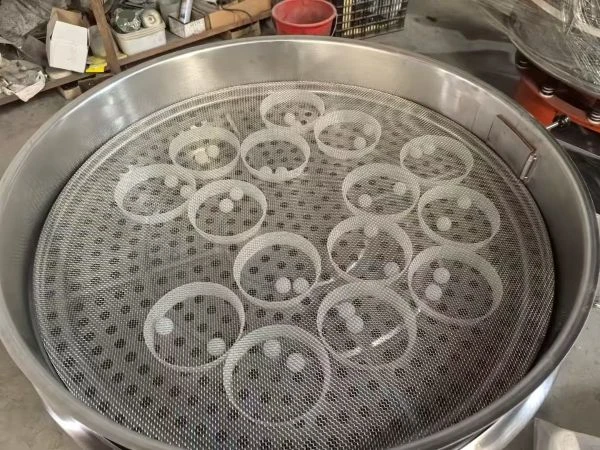
Rotary vibrating screens typically use rubber balls or sliders to clean the screen surface, thereby maintaining screening efficiency.
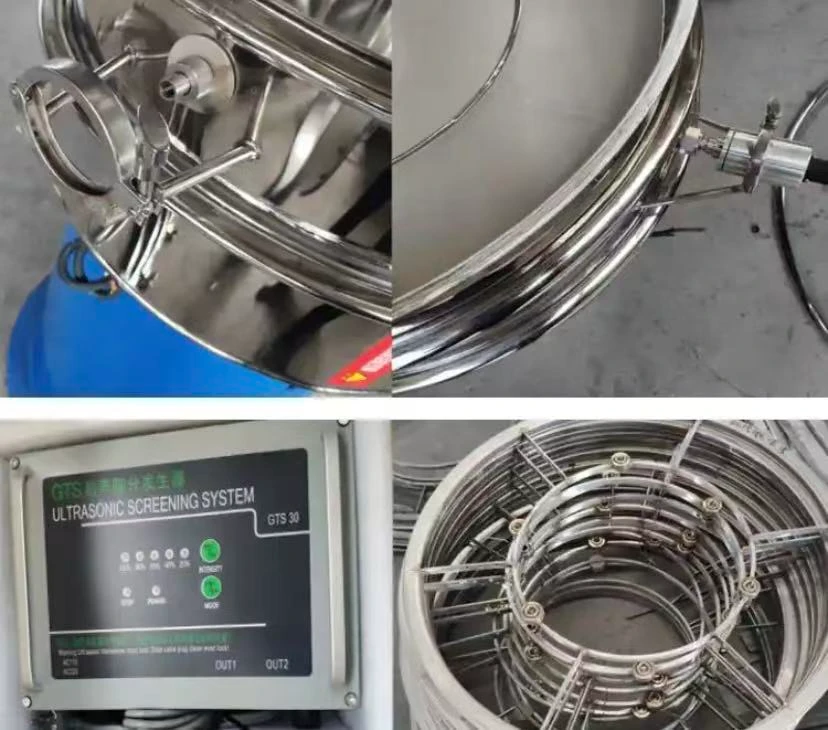
Tumbler screens are typically equipped with bouncing balls or ultrasonic cleaning systems to keep the screen openings clear and prevent clogging.
Applications
Rotary vibrating screens are widely used in agriculture, plastics, and metallurgy, and are commonly integrated into metal powder sieving machine systems and bulk bag dump station production lines.
Tumbler screens are widely used in pharmaceutical, chemical, and food industries such as sugar sifter shaker, industrial salt sifter, and chili powder sieve machine applications.
Tumbler screens offer distinct advantages when screening elongated materials. A key challenge with such materials is that, if they bounce, they can pass directly through the screen mesh. While rotary vibrating screens cannot prevent this issue, tumbler screens effectively handle the screening of these materials (such as MSG and tea leaves). Furthermore, the gentle screening action of tumbler screens makes them the ideal choice for materials that must not be broken or crushed during the process.
The Price Difference
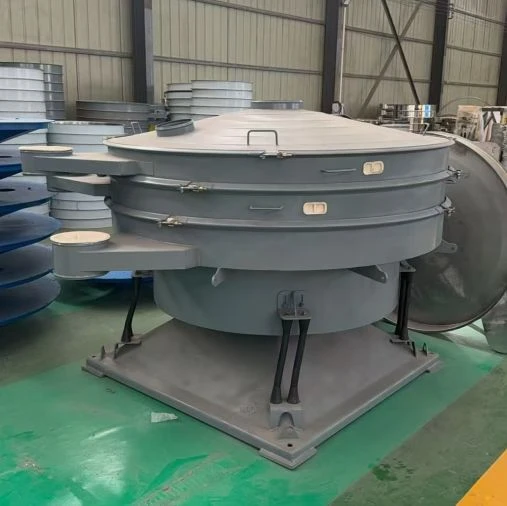
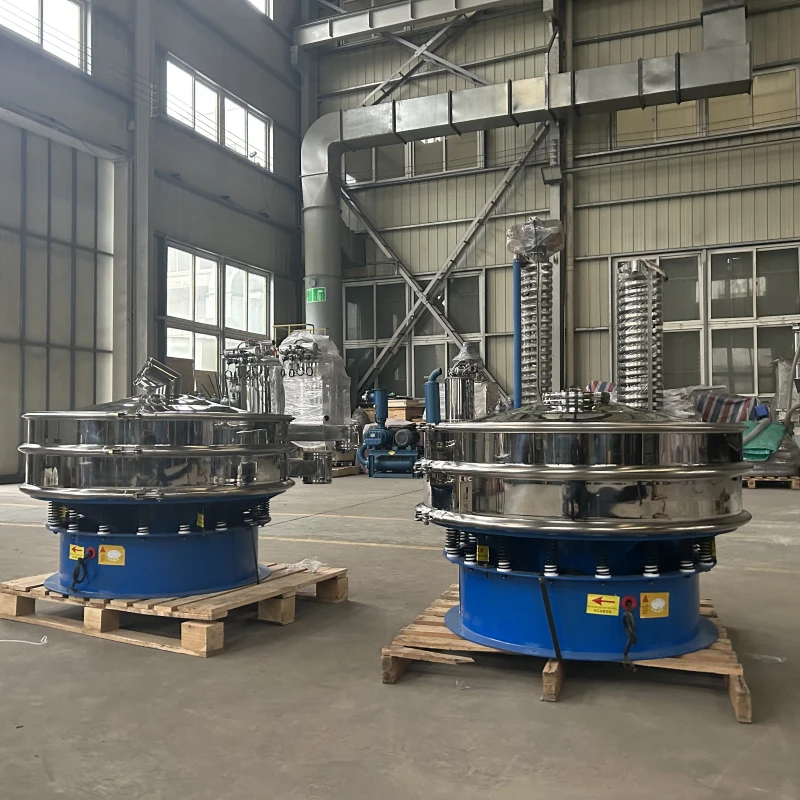
There is a significant price difference between rotary vibrating screens and tumbler screens. As a standard product in the screening equipment industry, the rotary vibrating screen has been in production for decades. With mature manufacturing processes and a comprehensive range of supporting components, its price is now very close to cost, making it an excellent value for money. In contrast, the tumbler screen is a relatively new product with higher technical complexity and a more intricate manufacturing process, so its price is generally slightly higher than that of the rotary vibrating screen.
When evaluating powder sieving machine price, rotary vibrating screens are generally more cost-effective, while tumbler screens have a higher initial investment due to their precision design.
Conclusion
Both Tumbler Screens and Rotary Vibrating Screens have distinct advantages depending on your material and production needs. Tumbler Screens provide high-precision, gentle screening ideal for fragile or fine materials, while Rotary Vibrating Screens excel in high-capacity, fast, and general-purpose sieving. By understanding the differences in performance, capacity, and cost, you can select the most suitable solution for your operation. For customized recommendations and professional guidance, contact our team today to get a quote for your screening needs.
FAQ
Related Blogs