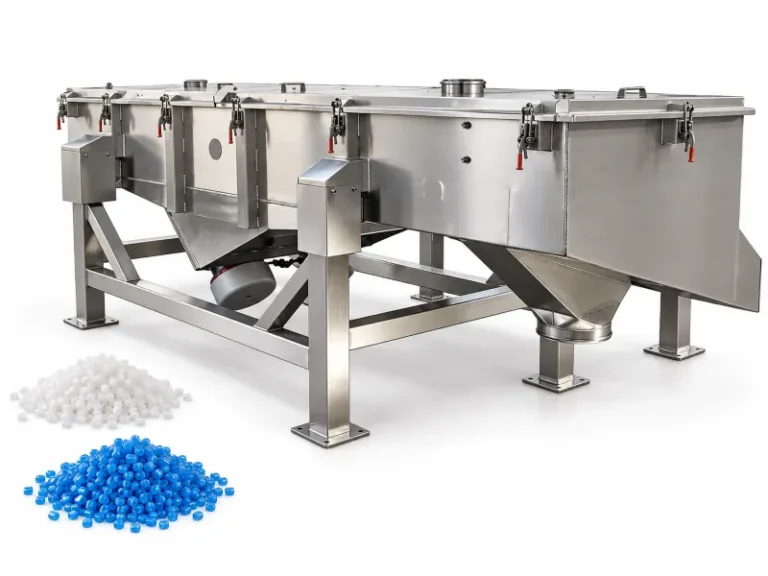
Vibro Sifter Mesh Material: 304 vs 316 Stainless Steel
Introduction
Vibro sifter mesh is a critical consumable component in vibratory Screening equipments used for powder separation, particle classification, and impurity removal.Among stainless steel materials, 304 vs 316 stainless steel mesh are the two most commonly used options in industrial vibro sifters.Choosing the right material directly impacts:Screening efficiency,Corrosion resistance,Mesh lifespan,Maintenance frequency,Product purity.
This guide explains the differences between 304 vs 316 stainless steel vibro sifter mesh and helps you select the right option for food, pharmaceutical, and chemical applications.
What Is Vibro Sifter Mesh?
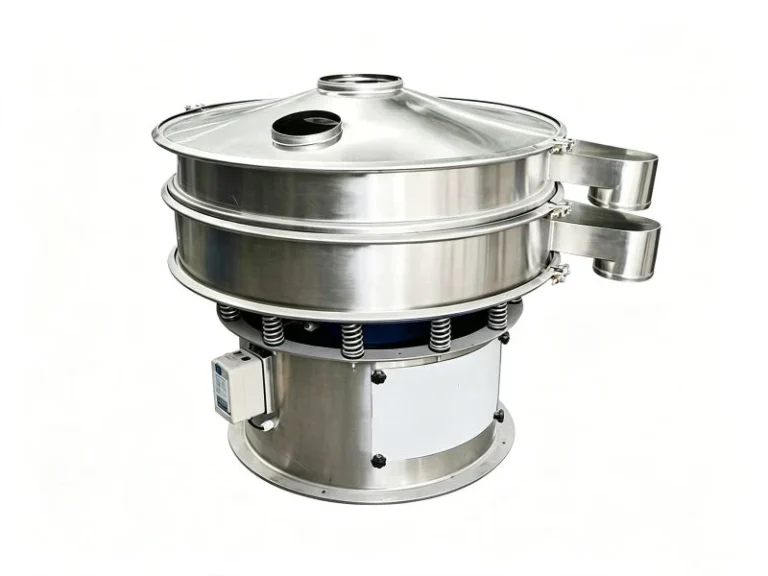
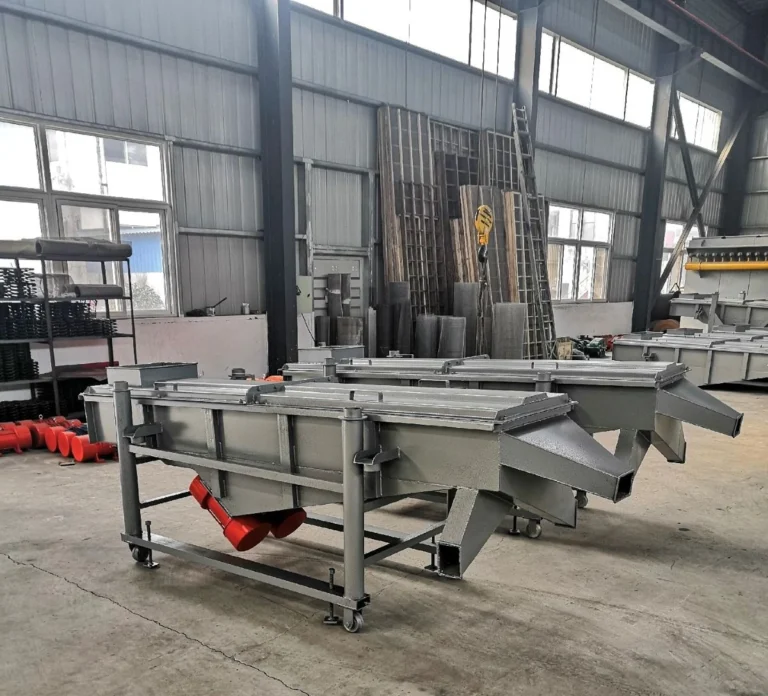
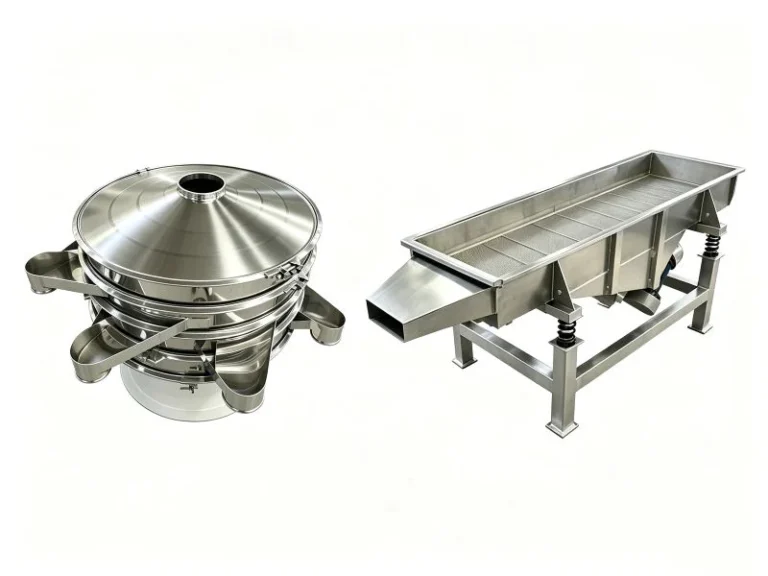
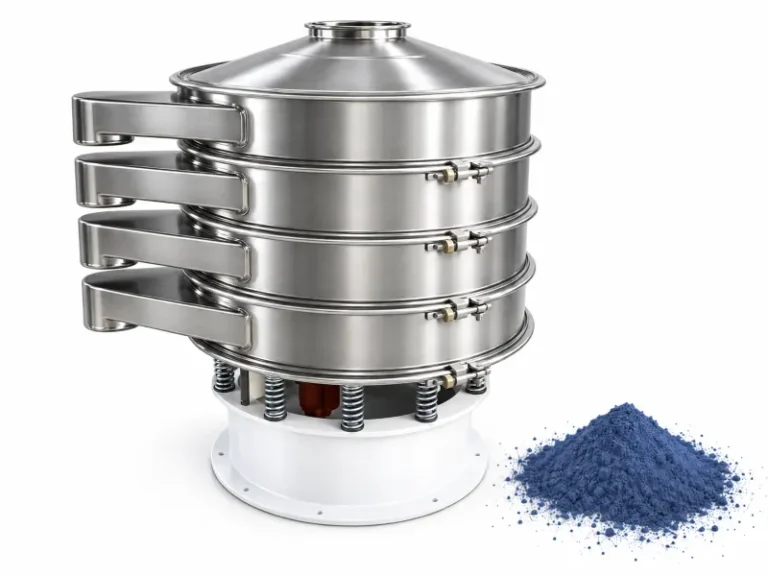
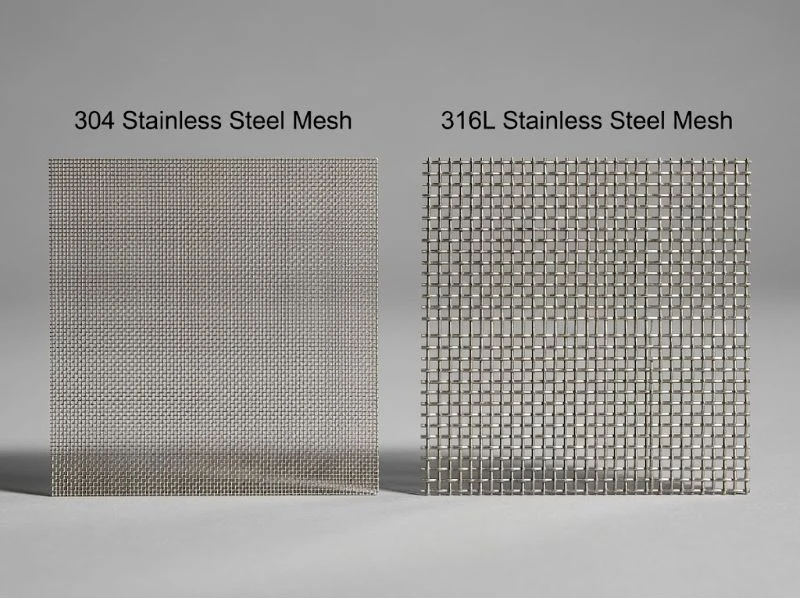
A vibro sifter mesh refers to a woven or perforated screening surface installed inside a vibrating sifter. Its functions include powder separation, particle size classification, solid-liquid filtration, and impurity removal.
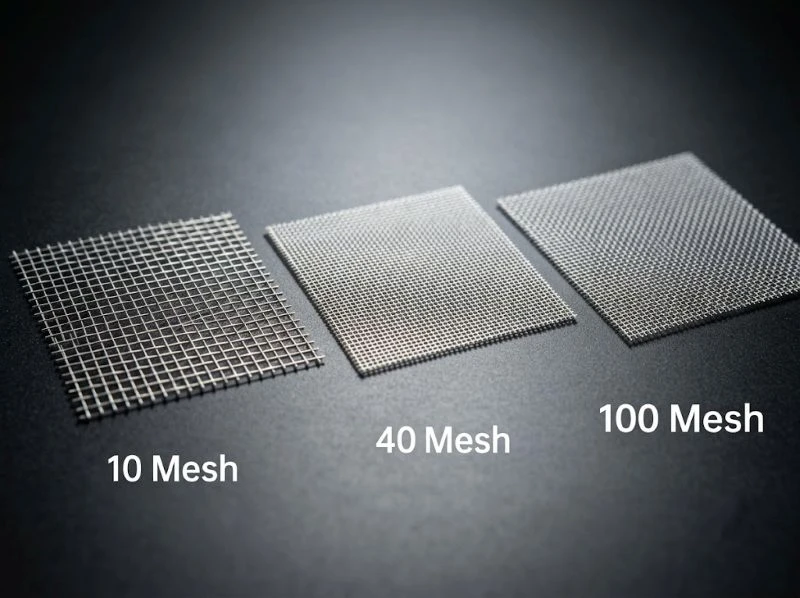
Different materials have different properties, so the material and structure of the screen mesh also vary. During the screening process, a vibro sifter machine can select screen meshes with different mesh counts based on the specific properties of the material and the required screening fineness to achieve optimal screening.
Why Stainless Steel Is Used for Vibro Sifter Mesh
304 vs 316 stainless steel has the following characteristics:
1. Excellent resistance to acids, alkalis, and corrosion.
2. High strength; offers superior tensile strength, toughness, and wear resistance, ensuring durability.
3. Resistant to high-temperature oxidation; 304 stainless steel mesh withstands temperatures up to 800°C, while 316 stainless steel mesh withstands up to 1150°C.
4. Suitable for processing at room temperature and easy to shape, allowing for diverse applications.
5. High surface finish; requires no additional surface treatment and is easy to maintain.
6. Complies with food-grade safety standards; suitable for use in the food and pharmaceutical industries.
304 vs 316 Stainless Steel Overview
304 Stainless Steel Mesh
304 stainless steel mesh is a metal screening and filtration material woven from 18Cr-8Ni austenitic 304 stainless steel wire using techniques such as plain weave, twill weave, crimping, and welding. It is the most versatile and widely used type of stainless steel mesh on the market, manufactured in accordance with the GB 5330-2003 national standard. It offers good corrosion resistance in dry environments and serves as a cost-effective solution.
316 Stainless Steel Mesh
316 stainless steel mesh is a high-end, corrosion-resistant woven metal filter mesh; compared to the 304 grade, it contains added molybdenum and higher levels of chromium and nickel. Like the 304 variant, it is available in plain weave, twill weave, crimped, and welded configurations, covering a full range of specifications from 4 to 600 mesh. It offers far superior resistance to rust and salt corrosion compared to 304, making it suitable for applications involving seawater, chemicals, pharmaceuticals, and high-salinity environments, though it comes at a higher overall cost.
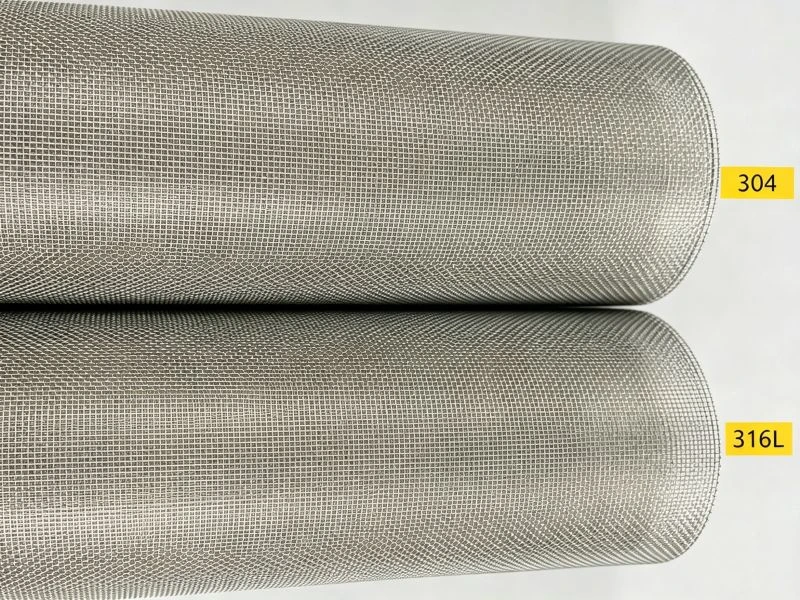
304 vs 316 Stainless Steel Vibro Sifter Mesh: Detailed Comparison
| Comparison Items | 304 Stainless Steel Mesh | 316 Stainless Steel Mesh | Data Difference Explanation |
| Molybdenum Content | 0% | 2.0%~3.0% | 316 contains molybdenum, the core factor for enhanced corrosion resistance |
| Nickel Content | 8.0%~11.0% | 10.0%~14.0% | 316 has higher nickel content and better material stability |
| Chromium Content | 18.0%~20.0% | 16.0%~18.5% | 304 has slightly higher chromium with similar basic rust resistance |
| Max Continuous Temperature Resistance | 700℃ | 800℃ | 316 withstands 100℃ higher continuous temperature |
| Short-Term Limit Temperature | 850℃ | 900℃ | 316 features superior high-temperature oxidation resistance |
| Max Tolerable Chloride Ion Concentration | ≤50ppm | ≤1000ppm | 316 has 20 times higher chloride resistance than 304 |
| Standard Salt Spray Test Duration (No Rust) | 48~120h | 500~1000h | 316 salt spray resistance lifespan is 5-10 times that of 304 |
| Tensile Strength | ≥520MPa | ≥520MPa | Consistent mechanical strength |
| Yield Strength | ≥205MPa | ≥205MPa | No difference in hardness, toughness and machinability |
| Low Temperature Resistance Limit | -200℃ | -200℃ | Identical low-temperature performance |
| Price Premium (Same Specification) | Benchmark Price (100%) | 140%~165% | 316 overall cost is 40%~65% higher |
| Optimal Application Environment | Clean water, dry materials, non-chloride, ordinary indoor working conditions | Seawater, salt water, chemical industry, coastal areas, chloride-containing disinfection environments | 316 is mandatory for chloride ion concentration over 50ppm |
Application of 304 vs 316 Stainless Steel Vibro Sifter
Food Industry
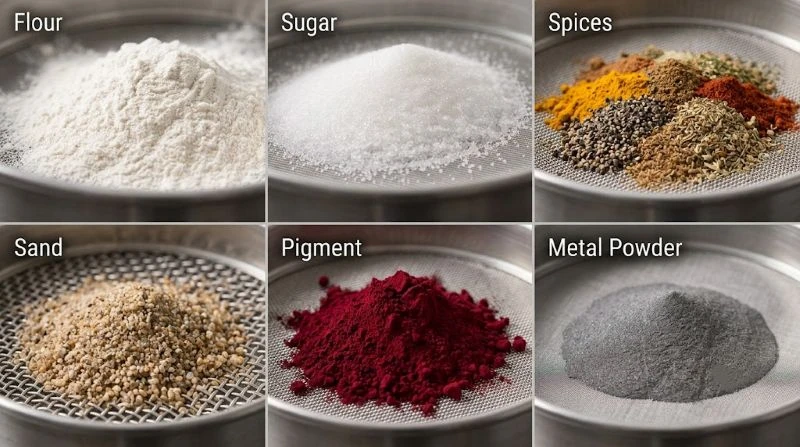
Flour, sugar, salt, spices, milk powder
Recommended: 304 stainless steel mesh
Pharmaceutical Industry
API powders, granules, herbal extracts
Recommended: 316 stainless steel mesh (preferred GMP compliance)
Chemical Industry
Pigments, resins, fertilizers, additives
Recommended: 316 stainless steel mesh
Mining & Industrial Materials
Sand, minerals, metal powders
Recommended: 304 stainless steel mesh
How to Choose Between 304 and 316 Mesh
How to Choose 304 Stainless Steel Vibro Sifter Mesh
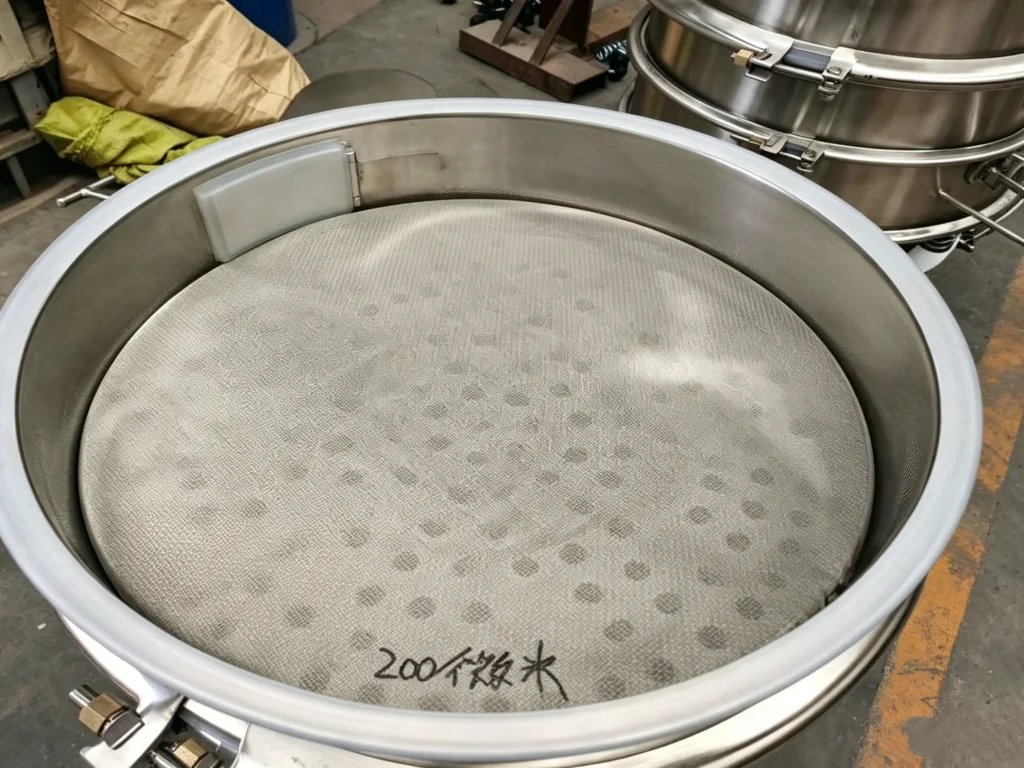
304 stainless steel vibro sifter mesh is a practical choice for most general screening applications. It provides good corrosion resistance, durability, and cost efficiency, making it suitable for dry materials and non-corrosive products.
304 stainless steel mesh is recommended for dry powder screening applications,general industrial material separation,food processing with standard hygiene requirements,applications where cost control is important.
How to Choose 316 Stainless Steel Vibro Sifter Mesh
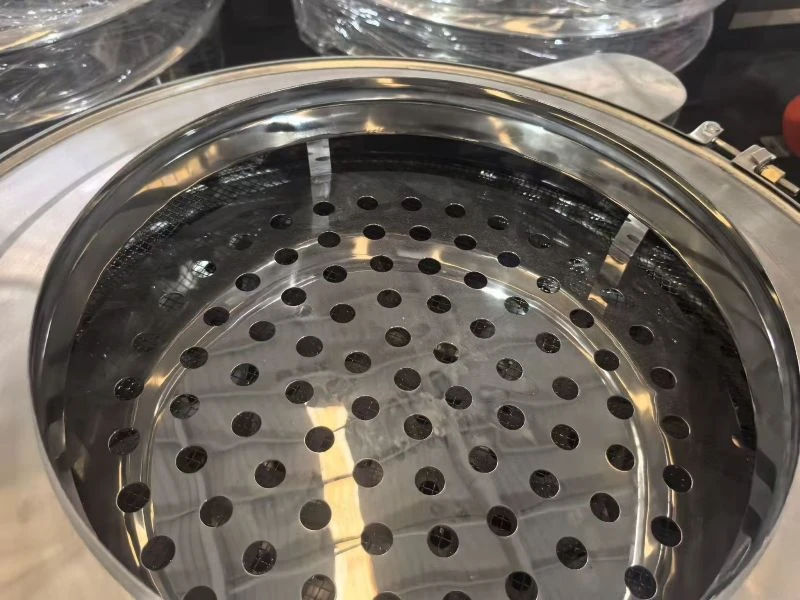
316 stainless steel vibro sifter mesh is designed for applications that require higher corrosion resistance and stricter hygiene standards. The addition of molybdenum improves resistance to chemicals, chlorides, and harsh processing environments.
316 stainless steel mesh is recommended for pharmaceutical powder screening,chemical material separation,high humidity environments acidic or corrosive materials,applications requiring longer mesh service life.
Common Problems Caused by Wrong Mesh Selection
Corrosion & Short Service Life
Using 304 in chloride/salt environments leads to pitting rust, wire breakage and mesh damage, greatly shortening service life.
Unqualified Filtration Effect
Corroded mesh causes uneven holes, powder leakage and impurity penetration, resulting in unstable filtration and screening accuracy.
Mesh Blocking & Material Waste
Rust deposits and corrosion residues block mesh holes, reduce screening efficiency and cause material accumulation and waste.
Increased Operating Cost
Frequent mesh replacement increases material costs and causes repeated equipment shutdowns, reducing overall production efficiency.
Product Quality Risk
Rust and metal debris may mix into finished products, causing contamination, especially for food, pharmaceutical and chemical production.
Video
How to Extend the Service Life of Vibro Sifter Mesh
Proper maintenance helps extend the service life of vibro sifter mesh and keeps screening performance stable. To improve vibrating sieve screen mesh durability, follow these practices:
Keep the mesh properly tensioned to prevent deformation and breakage
Avoid excessive material feeding to reduce pressure and wear on the screen
Clean the mesh regularly to prevent particle buildup and blocking
Check for cracks, loose wires, and surface damage during operation
Select the correct mesh size based on particle size distribution for better screening efficiency
These steps help maintain consistent powder screening performance, improve vibro sifter screen lifespan, and reduce replacement frequency in food, pharmaceutical, and chemical applications.
Conclusion
Choosing the right vibro sifter mesh material is essential for achieving stable screening performance and longer service life. 304 stainless steel mesh is suitable for general powder screening and non-corrosive applications, while 316 stainless steel mesh provides better corrosion resistance for pharmaceutical, chemical, and high-hygiene industries. Understanding the differences between 304 vs 316 stainless steel vibro sifter mesh helps you select the most suitable screen material to improve efficiency, reduce maintenance, and ensure product quality.