
High-Precision Ultrasonic Vibrating Sieve Solutions
Ultrasonic vibrating sieves are ideal for fine powder screening, effectively preventing mesh clogging and improving separation accuracy. By integrating an ultrasonic system into a standard three-dimensional vibrating screen, the screen surface generates high-frequency, low-amplitude vibrations through the combined action of the motor and ultrasonic waves, increasing mesh throughput by 5–20 times while effectively handling issues such as clogging, adhesion, agglomeration, static buildup, and low-density materials.
What is an ultrasonic Vibrating Sieve?
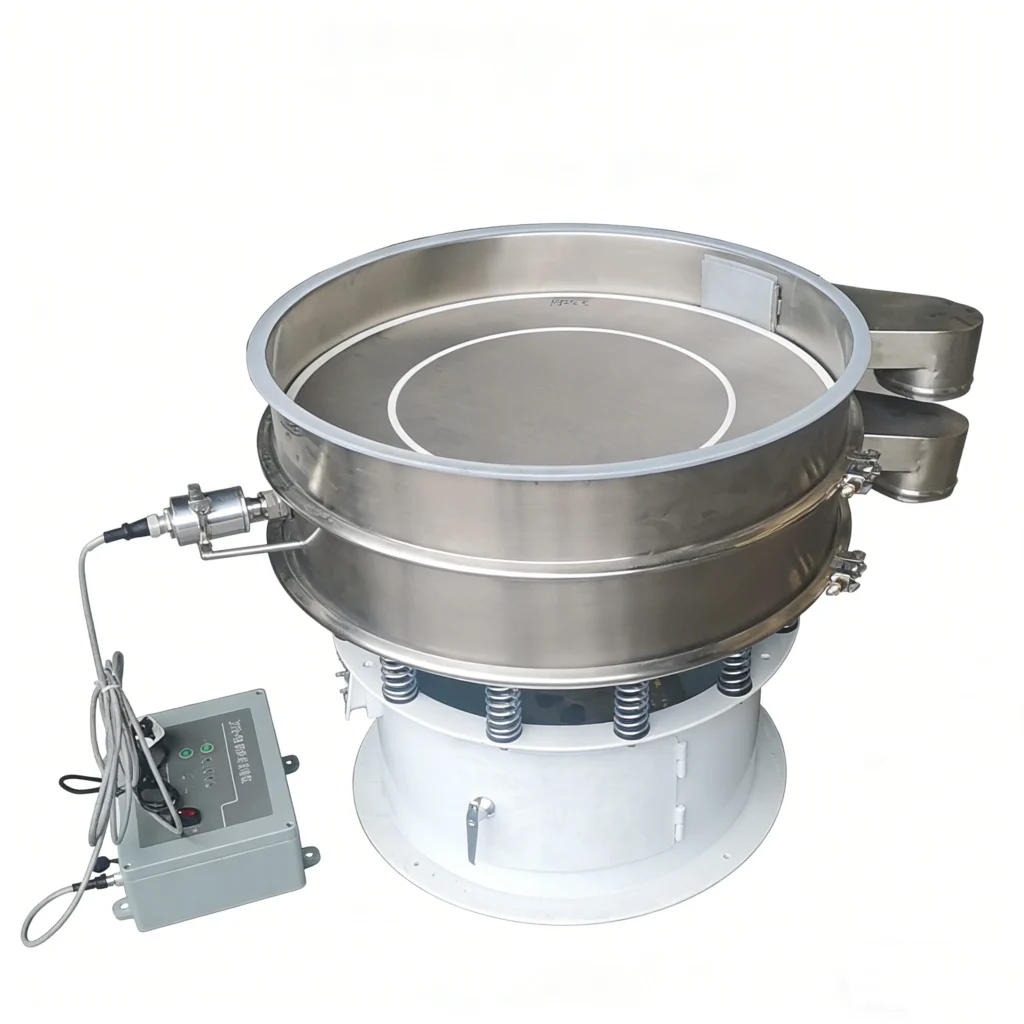
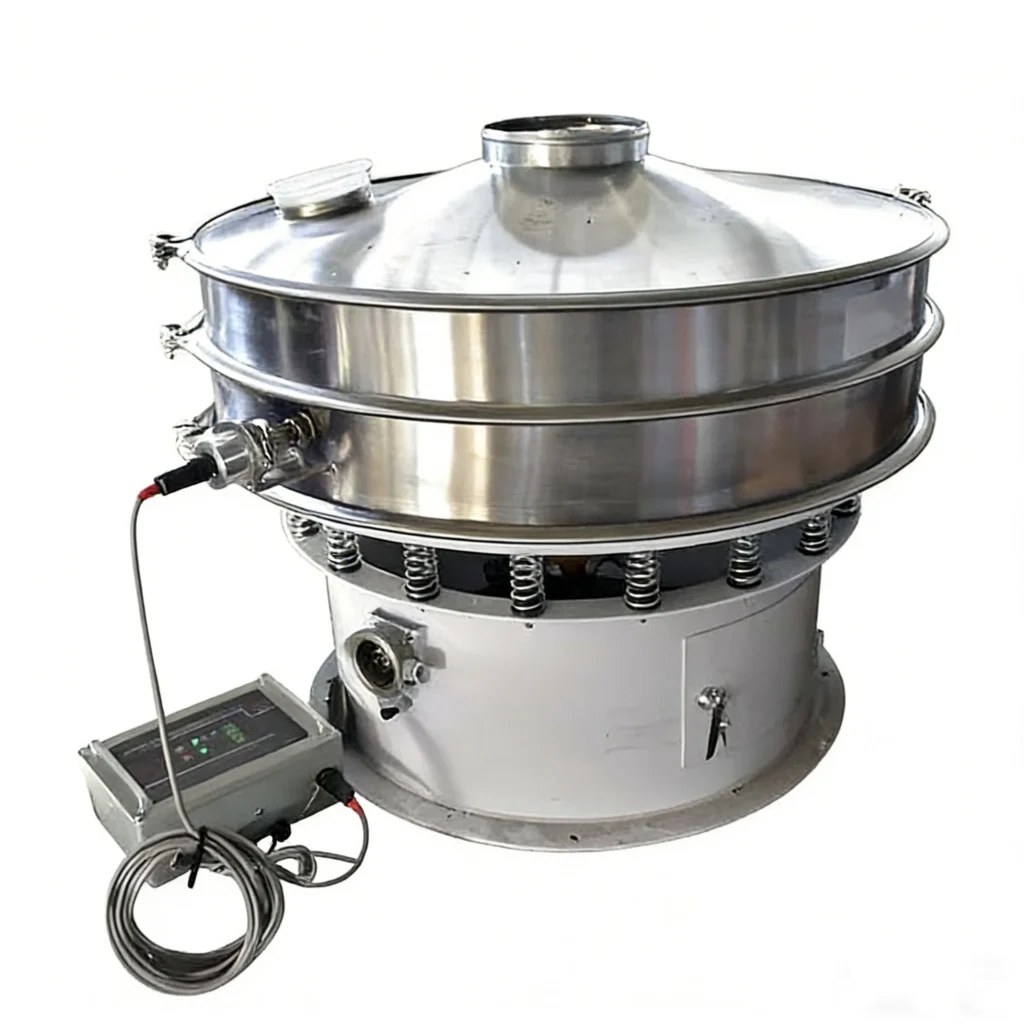
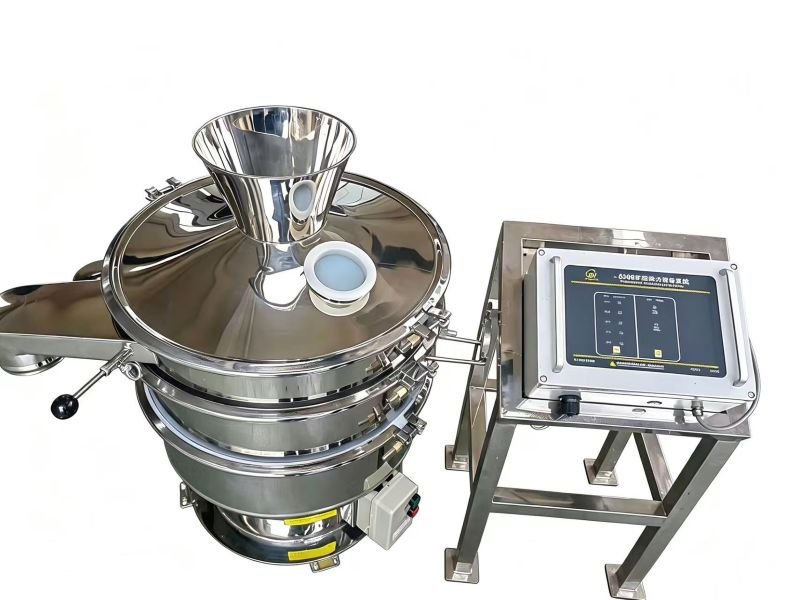
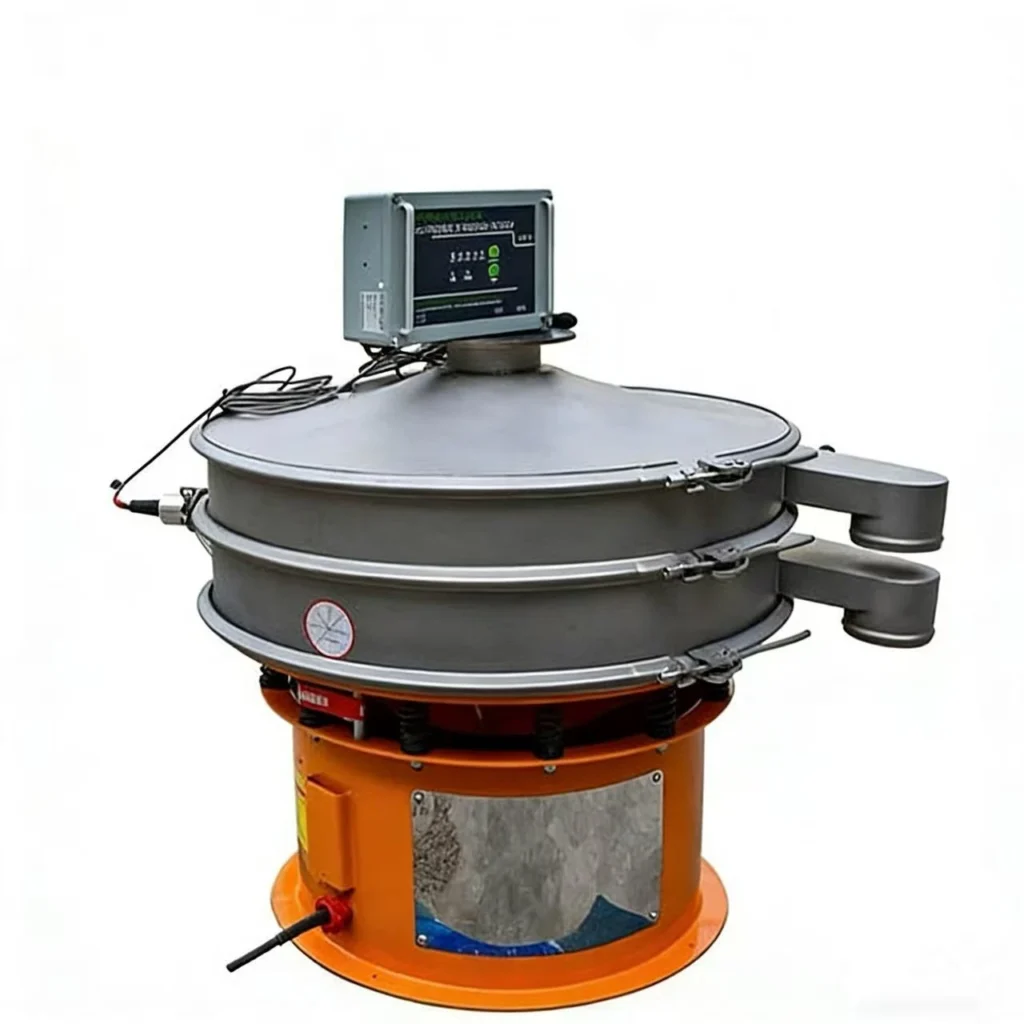
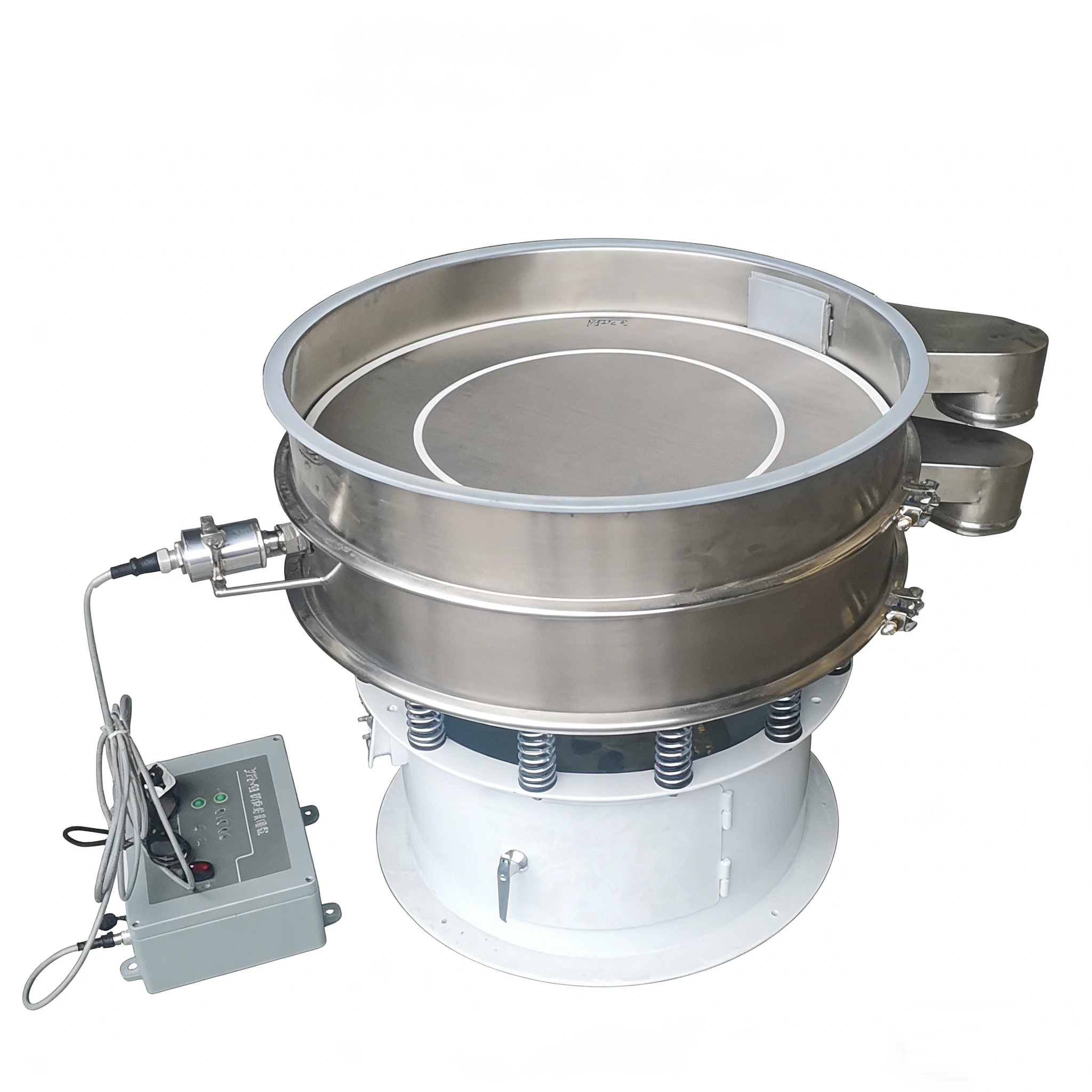
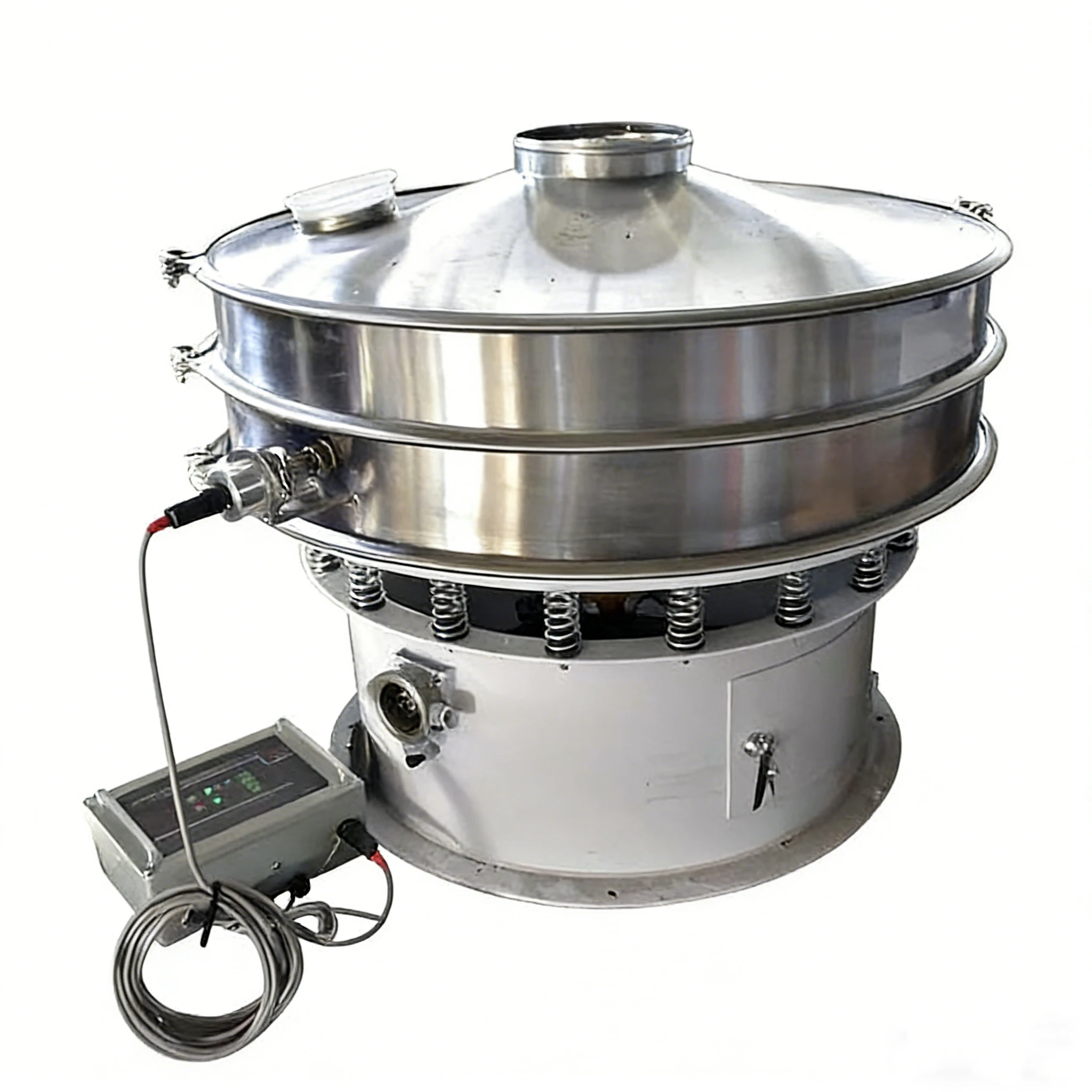
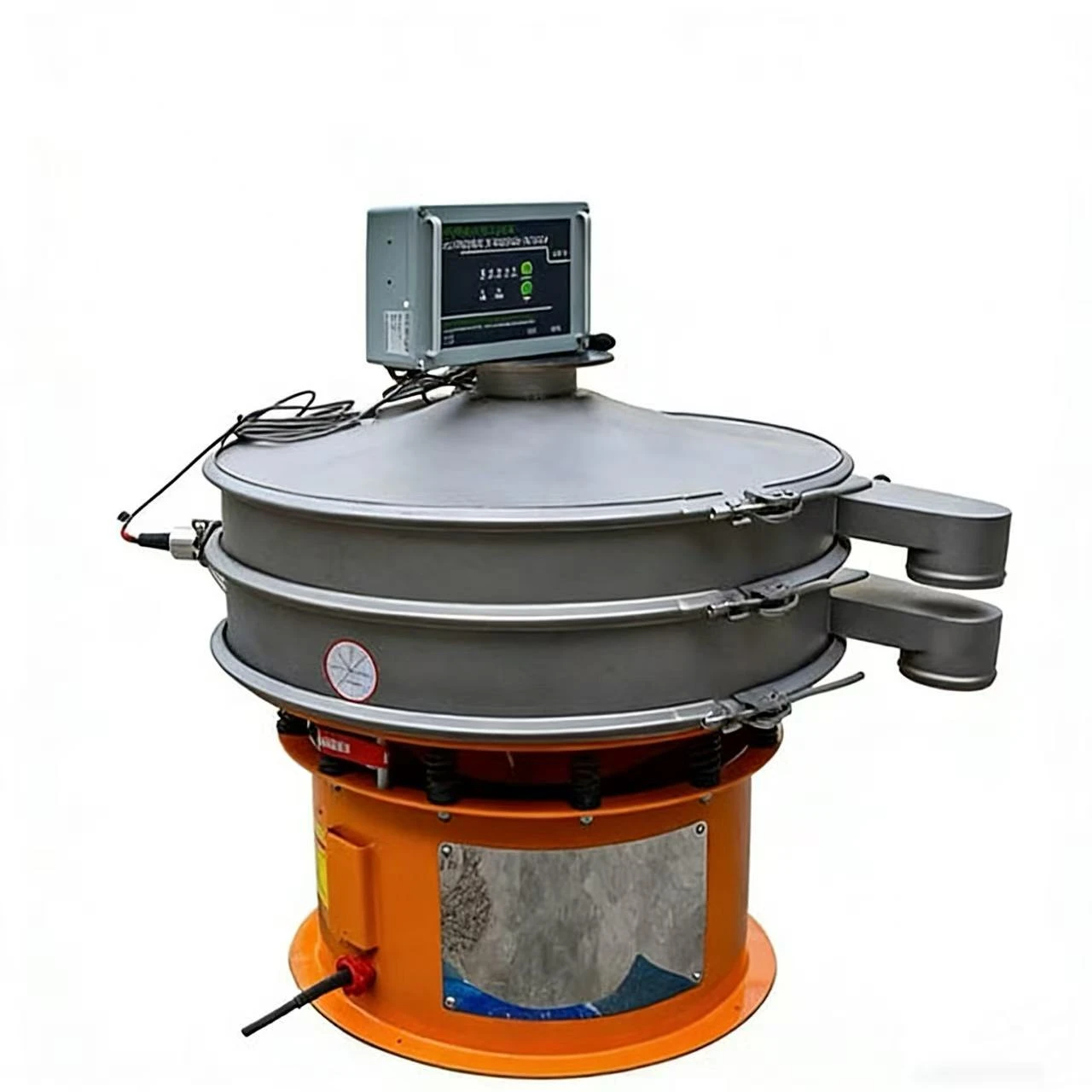
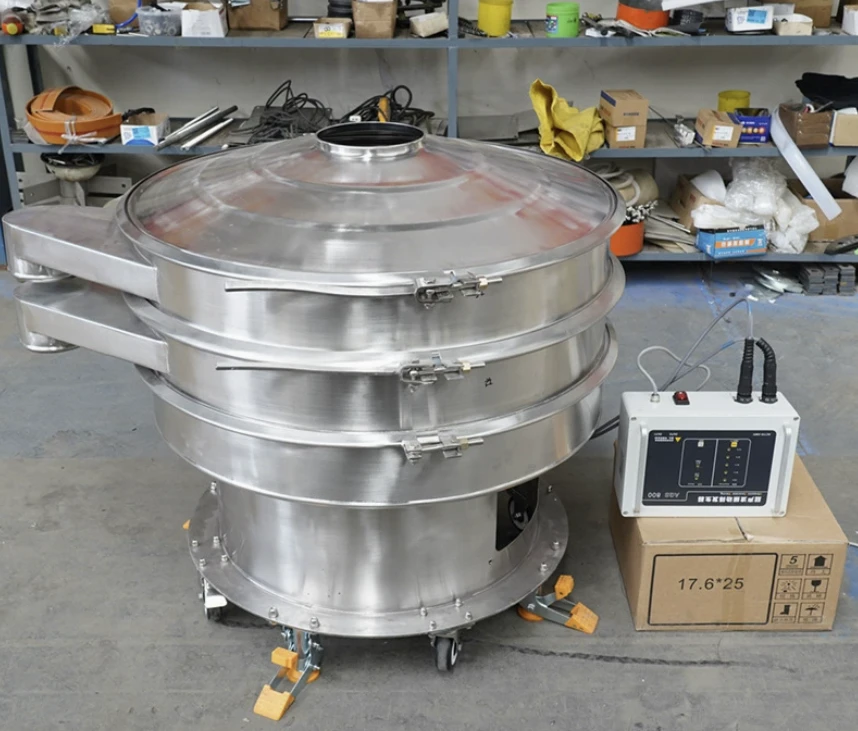
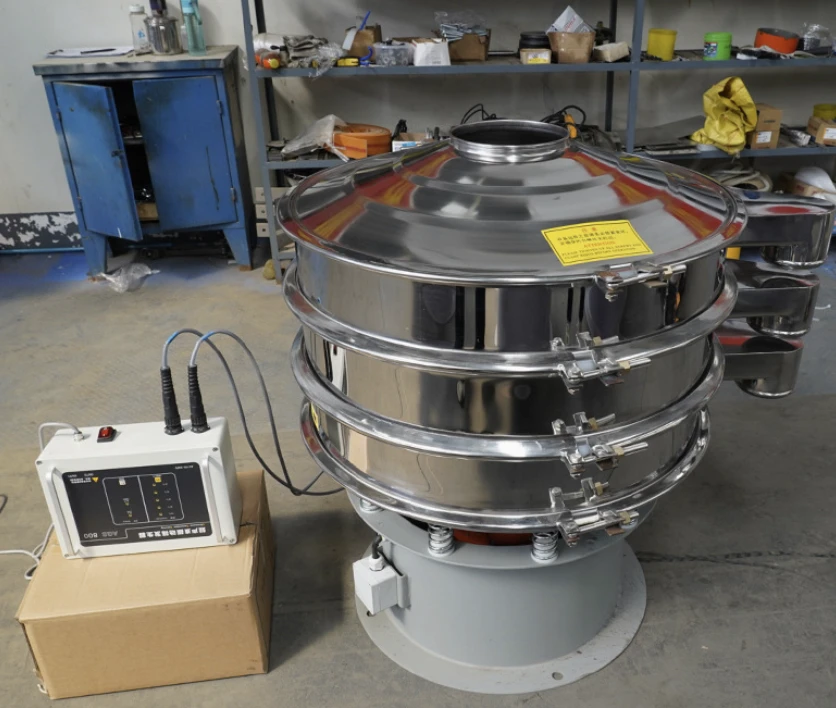
High-precision ultrasonic vibrating sieve designed for fine powder separation.So it is also known as a powder sieving machine.It incorporates an ultrasonic device added to a rotary vibrating screen.Prevent mesh clogging and improve accuracy. Ideal for food, chemical and pharmaceutical industries. Applications: Capable of precisely separating particles as small as 20 µm (635 mesh). Screening accuracy can be improved by over 80%. Materials exhibiting strong adsorption, adhesion, or viscosity; high electrostatic charge; high density; ultrafine powders, etc.
How Ultrasonic Screening Works?
- Dual-Drive Mechanism
Basic Vibration: Driven by a vibration motor, an eccentric block generates standard circular or linear vibrations, ensuring the uniform dispersion of material across the screen surface.
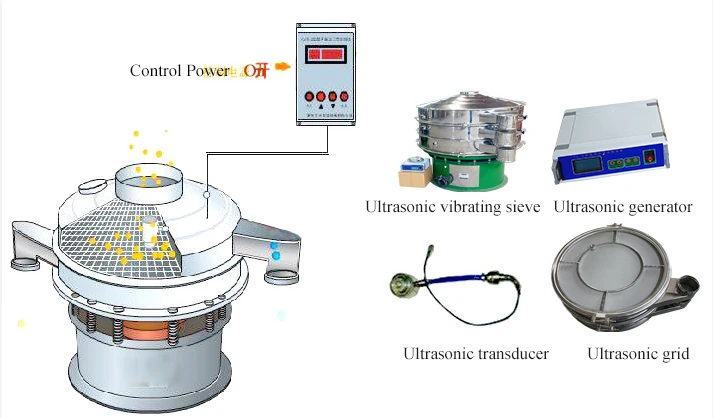
Ultrasonic Vibration: An ultrasonic generator converts electrical energy into high-frequency vibrations (typically 20–40 kHz); this energy is transmitted via a transducer to the screen mesh, inducing micron-scale, high-frequency oscillations within the mesh itself.
2. Anti-Clogging Screening Logic
The high-frequency vibration rapidly breaks apart material agglomerates while simultaneously causing material particles at the mesh openings to “suspend.” This prevents fine powders—which might otherwise become lodged in the mesh due to static electricity or stickiness—from clogging the screen, thereby ensuring highly efficient throughput.
Parts of the Ultrasonic Vibrating Sieve
Ultrasonic Generato
Output high-frequency electrical signal, Stable frequency (e.g., 20 kHz), with overload protection
Ultrasonic Transducer
Converts an electrical signal into mechanical vibration, synchronized with the generator frequency, and properly mounted on the screen
Ultrasonic Grid
Achieve material classification, usually made of stainless steel (food-grade / pharmaceutical-grade)
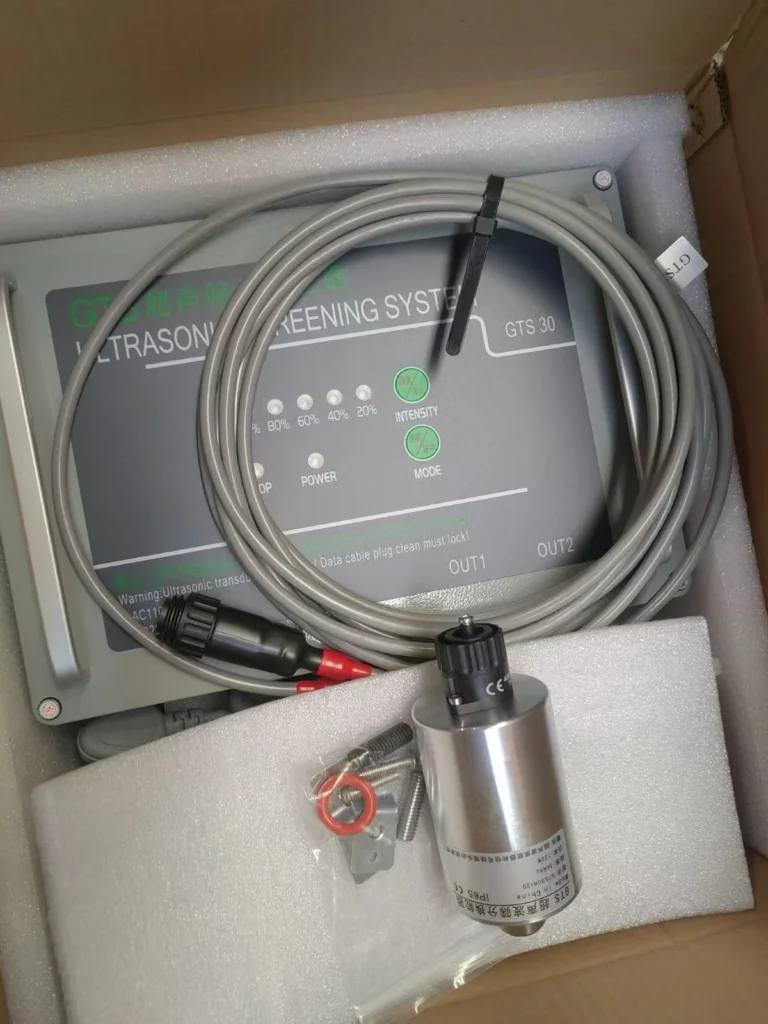 Ultrasonic Generator
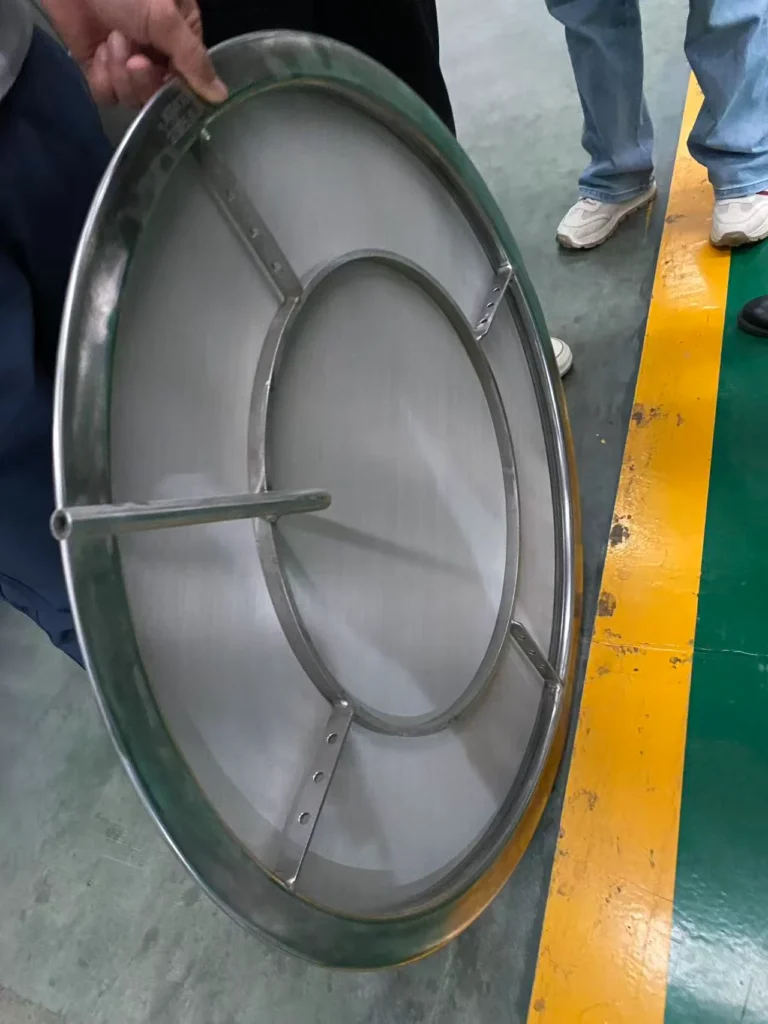 External space frame
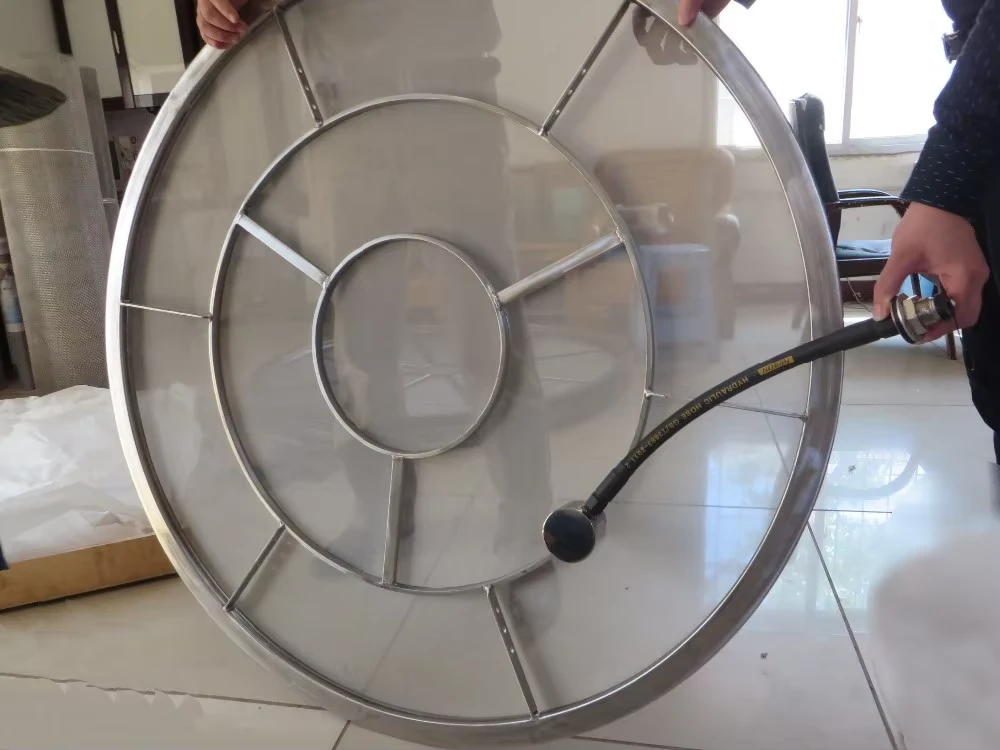 Built-in mesh frame
Features of Ultrasonic Vibrating Sieve
Compared to traditional industrial sieve, higher precision, anti-clogging, better efficiency, lower noise, energy saving,
more stable, finer separation, reduced downtime, improved output, stronger adaptability,
easier maintenance, longer service life, automated operation, consistent quality, reduced waste.
Anti-clogging Screen
Completely eliminates clogging in fine powders (100 mesh or finer), improving screening efficiency by 30%–50%.
High Precision
Achieves over 95% accuracy, suitable for ultra-fine powders from 200 to 2000 mesh, such as electronic and pharmaceutical materials.
Low Material Damage
High-frequency low-amplitude vibration protects material structure and prevents temperature rise, enabling continuous operation for heat-sensitive materials.
Wide Application Range
Suitable for dry powders, granules, and wet materials (slurries, suspensions), with resistance to acids, alkalis, and high temperatures depending on material.
Technical Specifications
Please refer to the following data (customization available)
| Model | Diameter(mm) | (mm) | Decks | Power(kW) | Accuracy(%) | Capacity(kg/h) |
|---|---|---|---|---|---|---|
| YJ-400 | 400 | 340 | 1-5 | 0.25 | ≥95% | 50-200 |
| YJ-600 | 600 | 530 | 1-5 | 0.55 | ≥95% | 100-500 |
| YJ-800 | 800 | 720 | 1-5 | 0.75 | ≥95% | 200-800 |
| YJ-1000 | 1000 | 900 | 1-5 | 1.1 | ≥95% | 500-1200 |
| YJ-1200 | 1200 | 1100 | 1-5 | 1.5 | ≥95% | 800-2000 |
| YJ-1500 | 1500 | 1400 | 1-5 | 2.2 | ≥95% | 1000-3500 |
| YJ-1800 | 1800 | 1700 | 1-5 | 3 | ≥95% | 1500-5000 |
Applications
The following are common screening industries

Food Industry 
Pharmaceutical Industry 
Chemical Industry 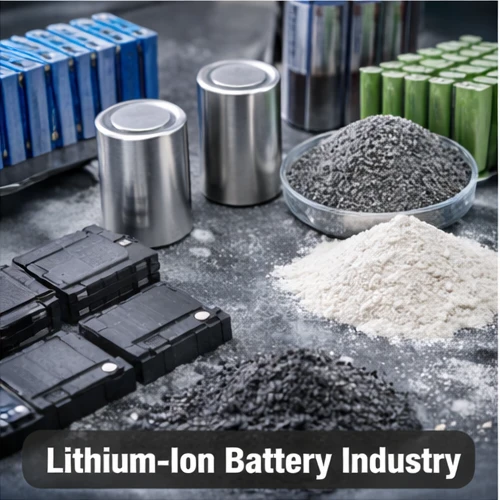
New Energy Industry
Food Industry
Screening of flour, starch, table salt, cinnamon powder, powdered sugar, etc. Ensures food safety and hygiene, removes impurities, and improves food quality.
Pharmaceutical Industry
In pharmaceutical production, screening of drug granules and powders ensures that particle size meets production standards, thereby improving drug efficacy and stability.
Chemical Industry
Fertilizers, plastic pellets, microcrystalline cellulose,pigments, coating powders,chemical raw materials, etc., ensure uniform particle size in chemical products and improve product quality.
New Energy Industry
Battery materials (such as lithium-ion cathode materials), graphite powder,and electronic-grade micropowders (ultrafine screening of 200 mesh and above).
Installation & Inspection
- Following the markings on the ultrasonic generator’s connection cable, insert it directly into the corresponding port and secure it firmly to ensure a proper electrical connection between the generator’s power supply and the vibrating screen’s ultrasonic interface.
2. Turn the fine-tuning knob on the ultrasonic generator’s power supply to its minimum setting. Switch on the generator’s power supply and observe the ammeter to check for any anomalies (under normal conditions, the current reading should be less than 200 mA).
3. Inspect and debug the vibrating screen, ensuring that the trajectory of the material flow aligns with the standard operational path.
4. Start the vibrating screening and filtering machine (rotary vibrating screen). Introduce a small amount of material and use the fine-tuning knob on the ultrasonic generator’s power supply to make adjustments until the screen mesh reaches an optimal operating state (the current reading should remain below 200 mA).
Once the ultrasonic vibrating screen is confirmed to be operating normally, material may be fed into the machine uniformly to commence standard operation.
Ultrasonic Vibrating Screen vs Traditional Vibrating Screen
Traditional Vibrating Sieving Machine
Commonly used for screening powders and granules with a fineness of up to 100 mesh, this equipment utilizes silicone rubber balls to vibrate and clear the mesh; it is suitable for coarse powders, large granules, grains, and similar materials. Options ranging from 1 to 5 screen decks allow for simultaneous separation into multiple size fractions, making it the standard choice for low-capacity applications and routine operating conditions.
Ultrasonic Vibrating Sieve
This equipment is based on a standard industrial sieve machine and integrates an ultrasonic system featuring a self-cleaning mesh function. Designed specifically for screening ultra-fine powders (typically 100–200 mesh or finer), it is particularly effective for materials that are sticky, prone to agglomeration, or electrostatic—such as tungsten powder, electrode materials, and silicon carbide. Compared to conventional methods for ultra-fine powders, it offers 10%–70% higher screening precision, a 1- to 10-fold increase in throughput, and a mesh lifespan extended by 3 to 5 times. It eliminates the need for frequent shutdowns to clean the mesh and supports continuous 24-hour operation.
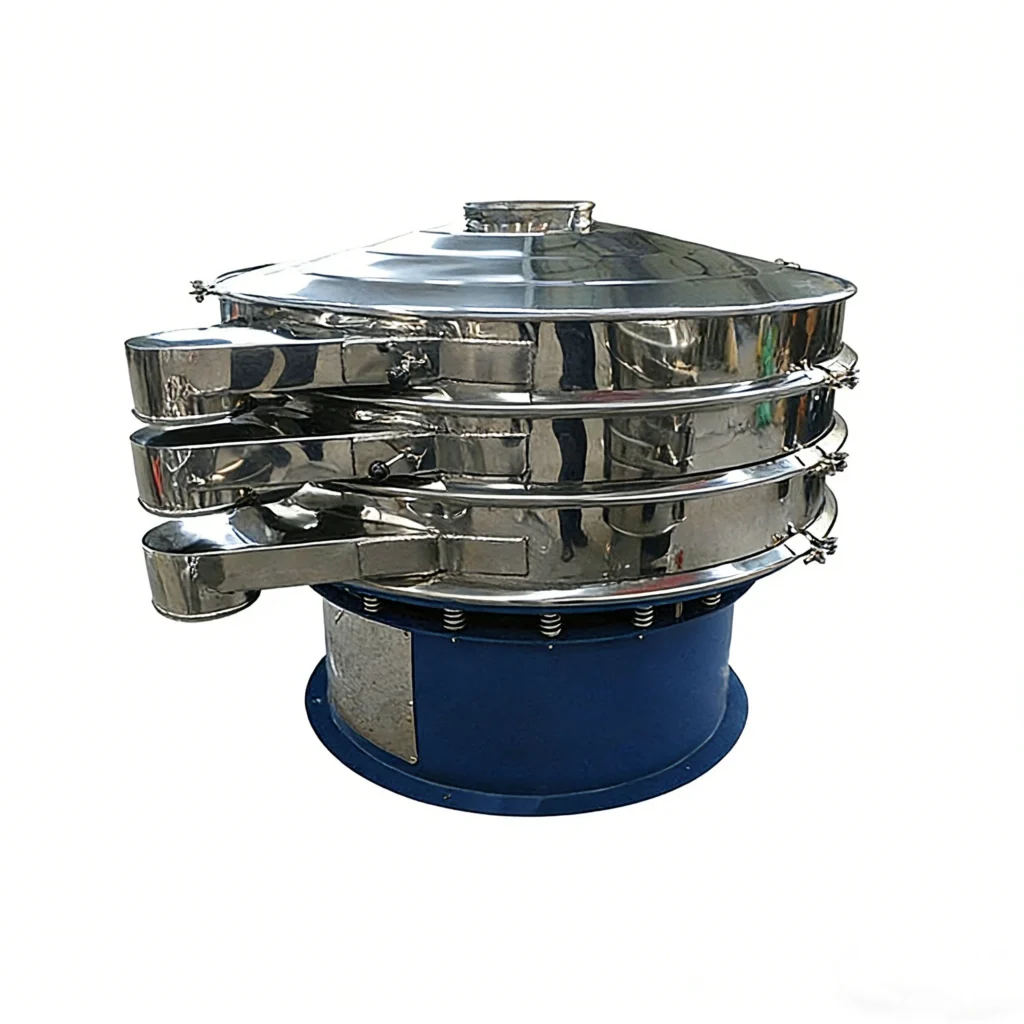
Rotary Vibrating Screen 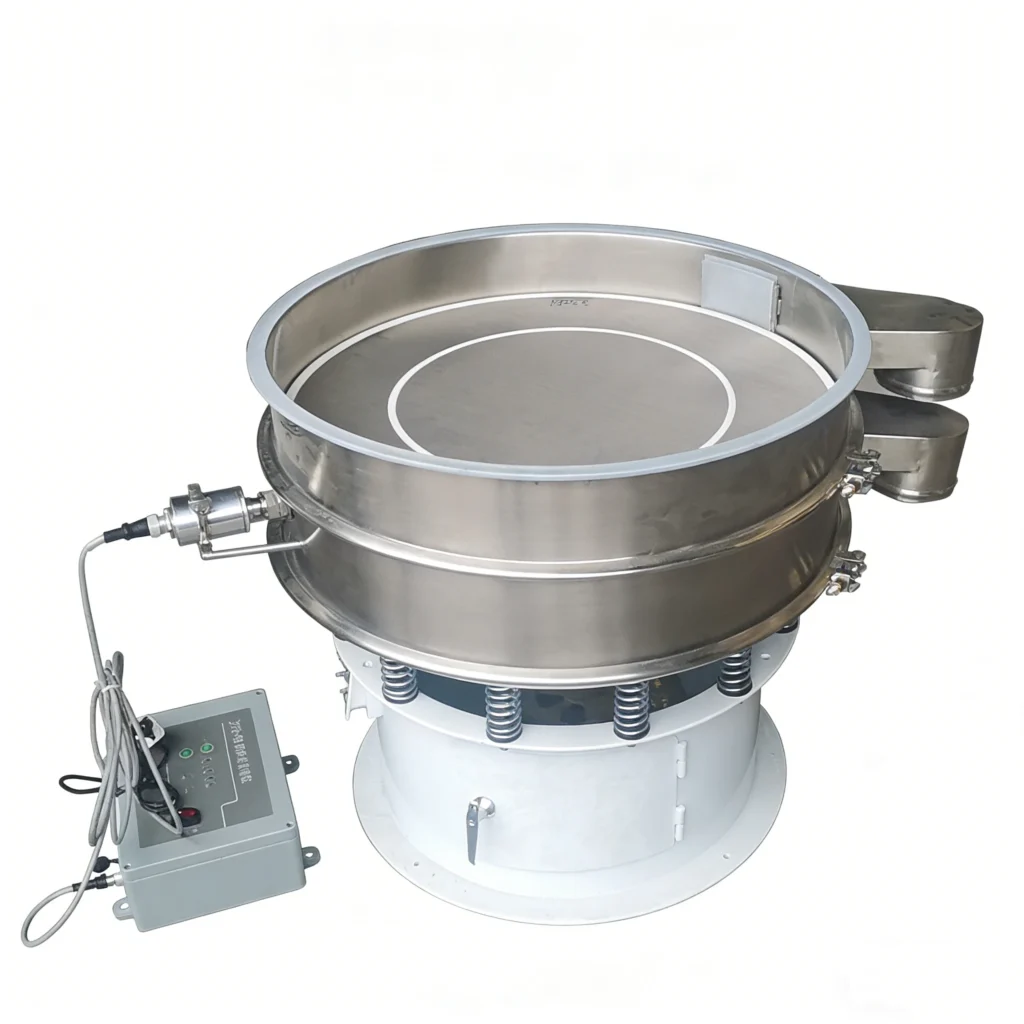
Ultrasonic Vibrating Sieve
| Model | Material | Conventional Vibrating Screen: Mesh Size | Conventional Vibrating Screen | Ultrasonic Vibrating Screen: Mesh Size | Ultrasonic Vibrating Screen |
| 1200 mm | Silicon Carbide | 500 mesh | Unable to screen | 500 mesh | 1,300 kg/hour |
| 1000 mm | Alloy Powder | 600 mesh | No fine powder was screened out within 10 minutes | 600 mesh | 30–50 kg/hour |
| 800 mm | Vitamin B Powder | 400 mesh | 1 kg/hour | 400 mesh | 150 kg/hour |
| 600 mm | Pigment Powder | 400 mesh | No fine powder was screened out within 15 minutes | 400 mesh | 20% screened within 15 minutes, enabling effective and precise particle classification |
| 600 mm | Cathode Material | 325 mesh | Required three screening cycles to meet the requirements | 400 mesh | Requirements met after one screening cycle |
| 400 mm | Cobalt Powder | 300 mesh | 35% residual material remained after 30 minutes of screening | 300 mesh | 5.5% residual material remained after 30 minutes of screening |
Custom Ultrasonic Vibrating Sieve Options
We support multi-dimensional customization to meet the requirements of different materials, capacities, and production environments, helping you achieve the best screening performance for your specific application. To provide an accurate solution and quotation, please share the following key information:
- Material Type: powder, granules, liquid, or slurry
- Material Characteristics: particle size, moisture content, bulk density, viscosity, and temperature
- Required Capacity: processing volume per hour (kg/h or t/h)
- Screening Accuracy: target mesh size or particle separation range
- Number of Screening Layers: single deck or multi-deck requirements
- Machine Diameter / Model Size: based on installation space and output needs
- Material of Construction: carbon steel, SUS304, or SUS316L stainless steel
- Voltage & Motor Standard: according to your local power requirements
- Special Requirements: dust-proof design, explosion-proof motor, mobile base, ultrasonic system, or customized inlet/outlet
Our engineering team can recommend the most suitable configuration based on your application.
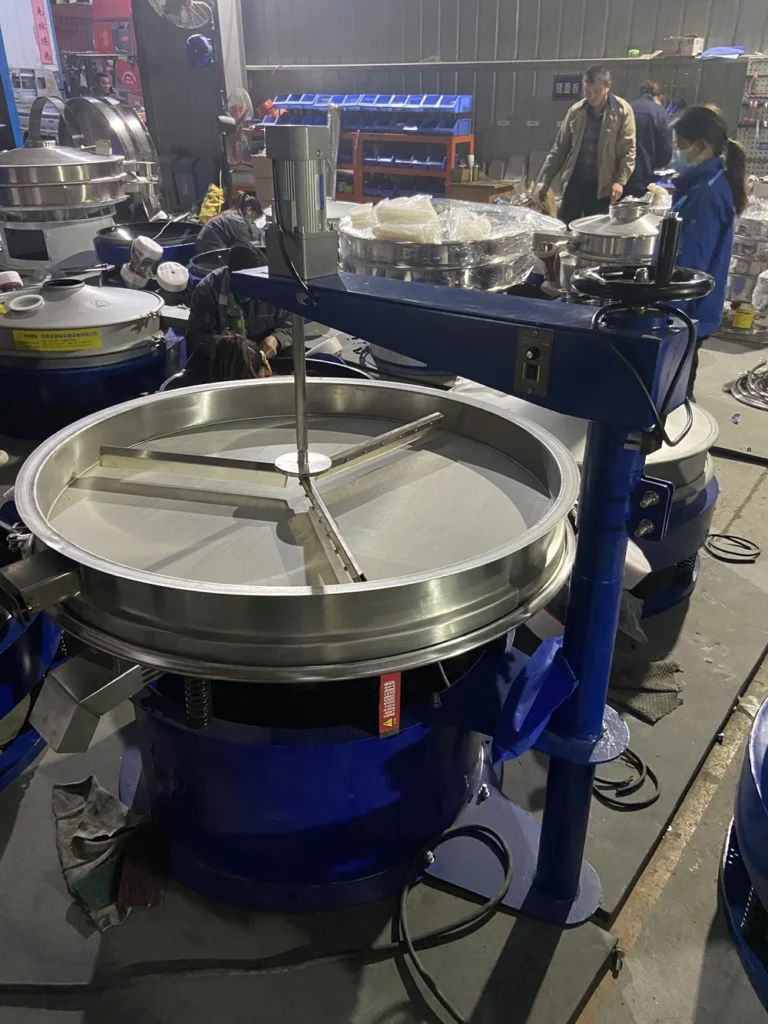 Cleaning Brush
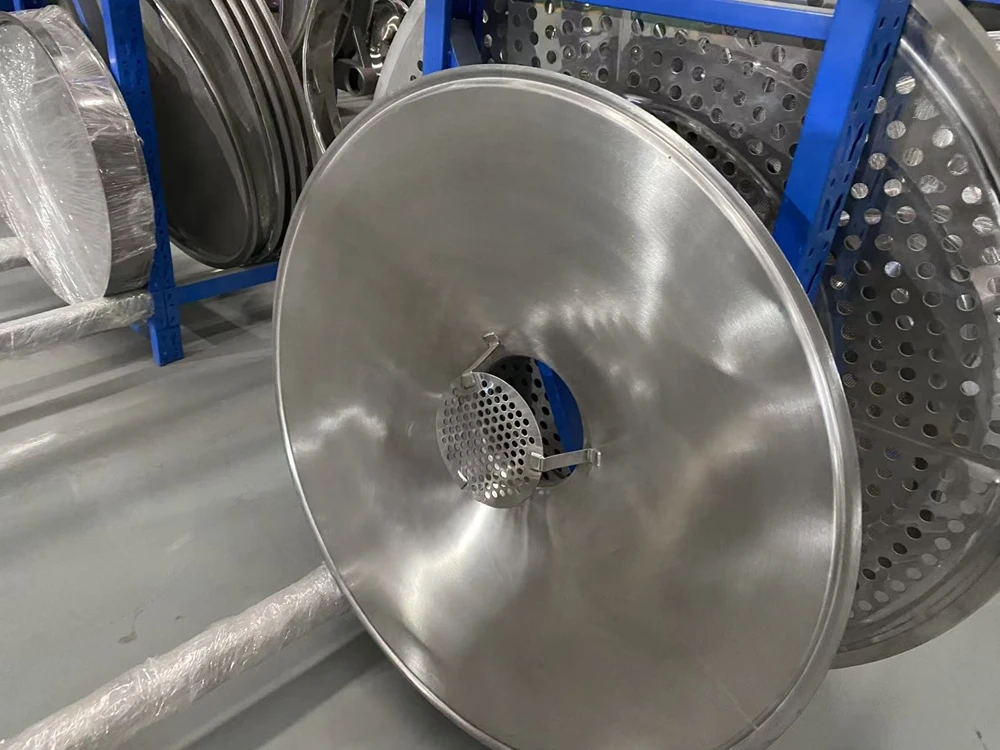 Top-Cover Discharge Hopper
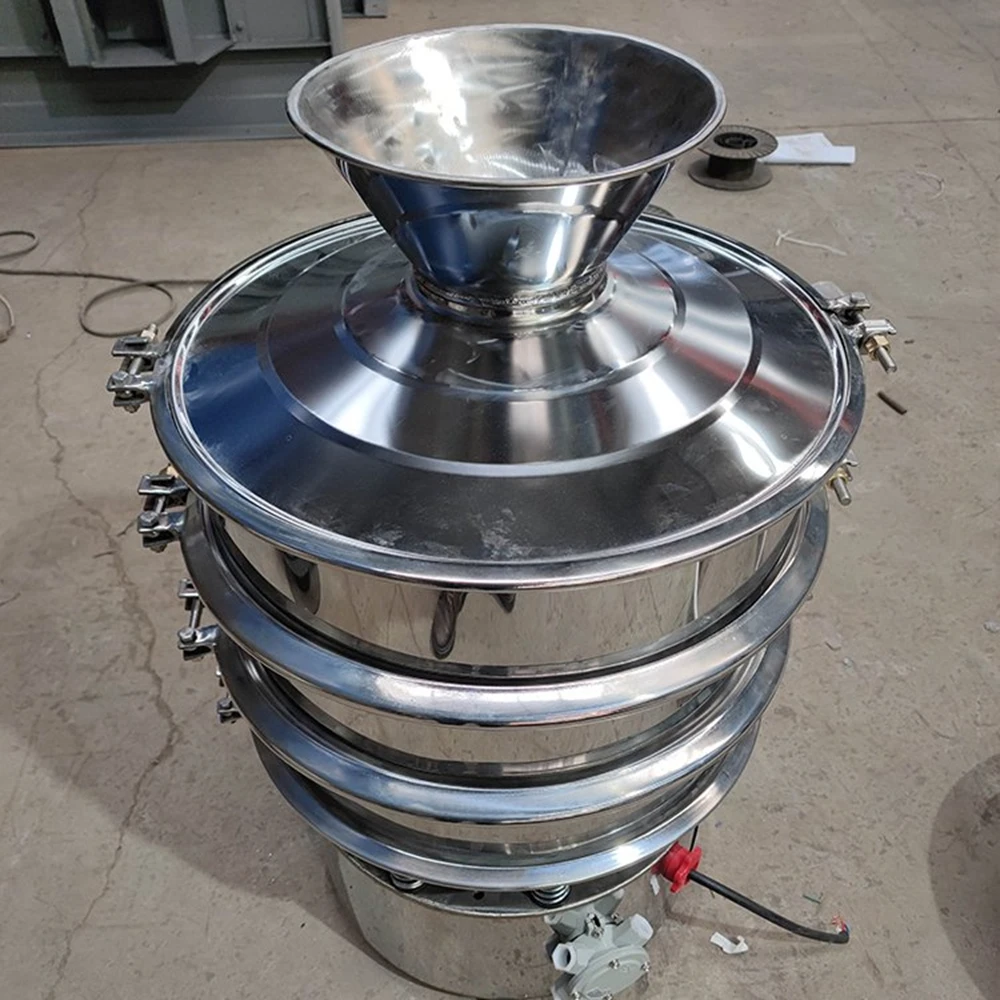 Feed inlet
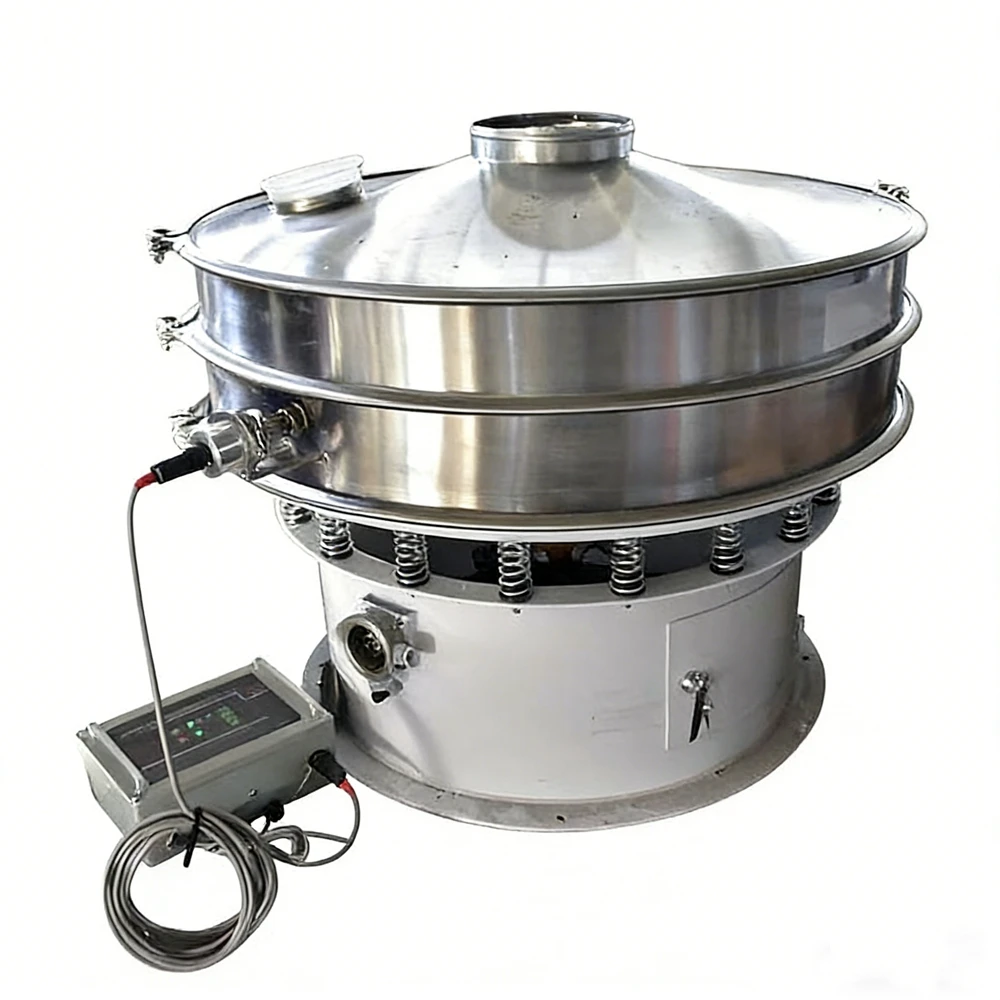 Ultrasonic Vibrating Sieve
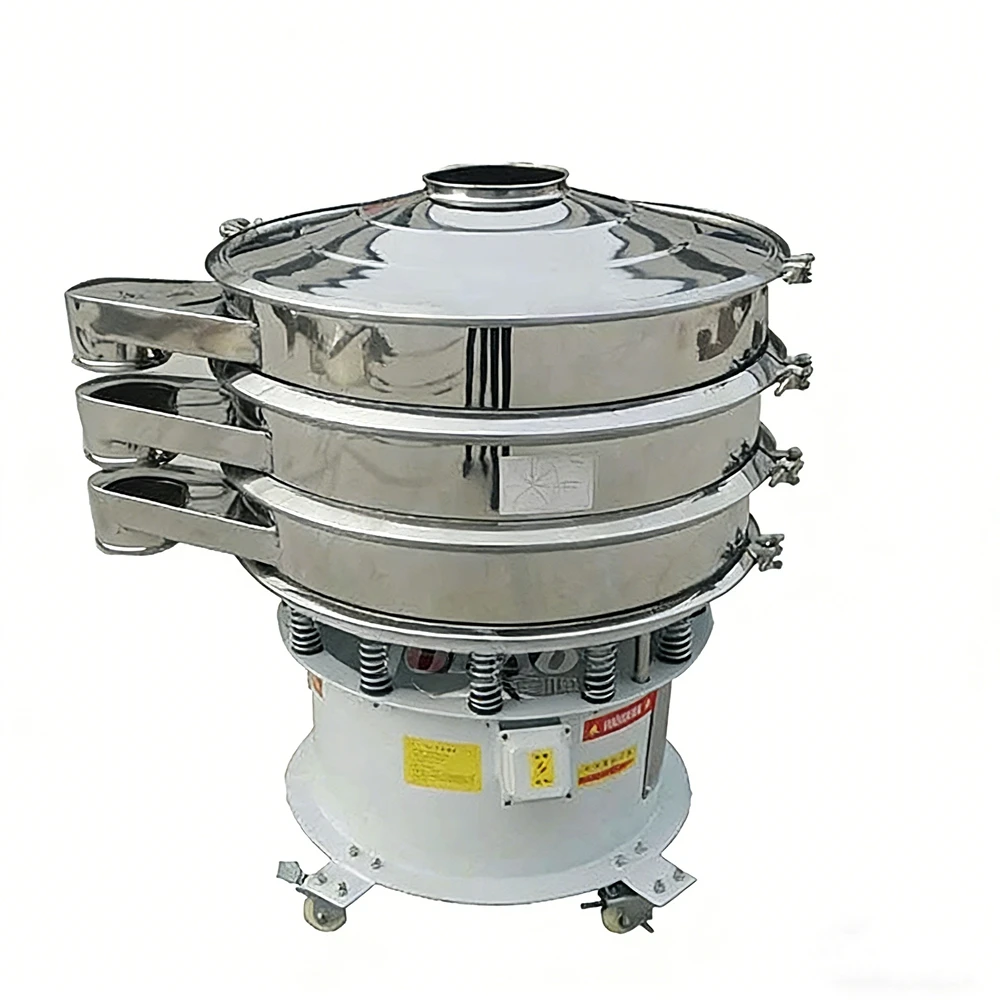 Pulley
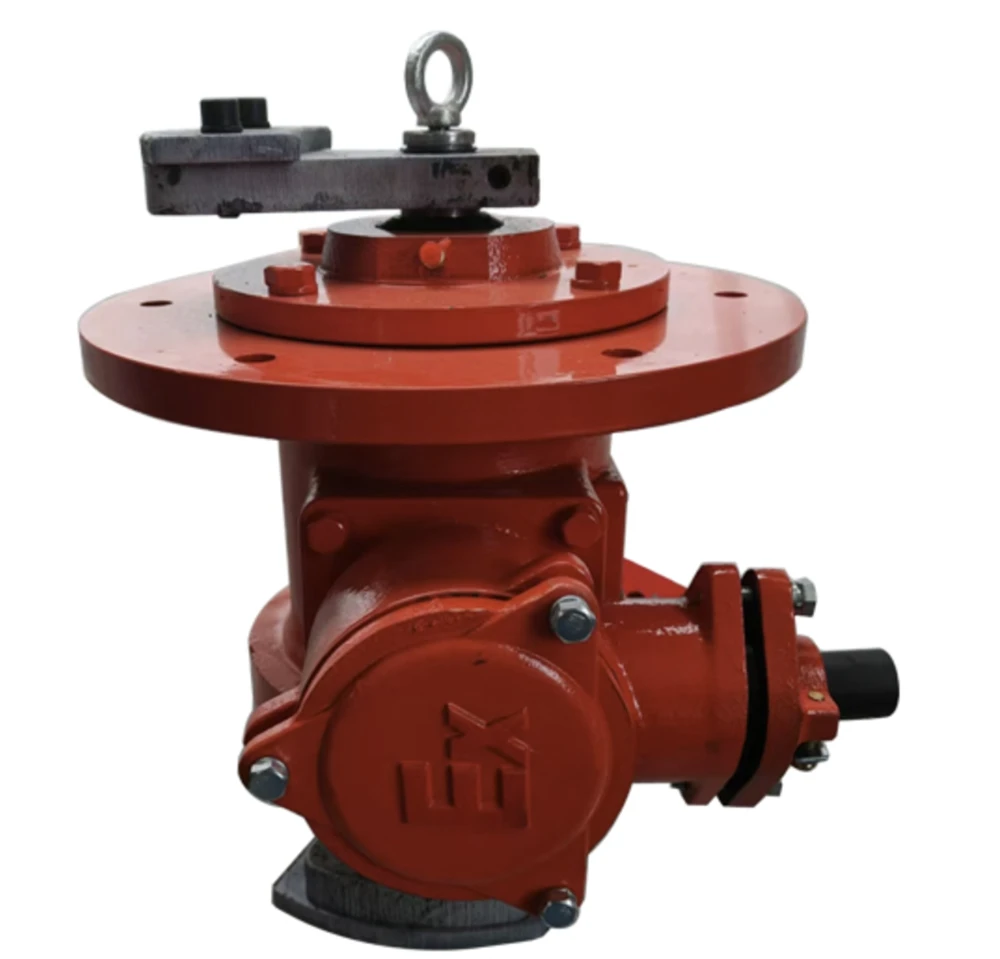 Explosion-proof Motor
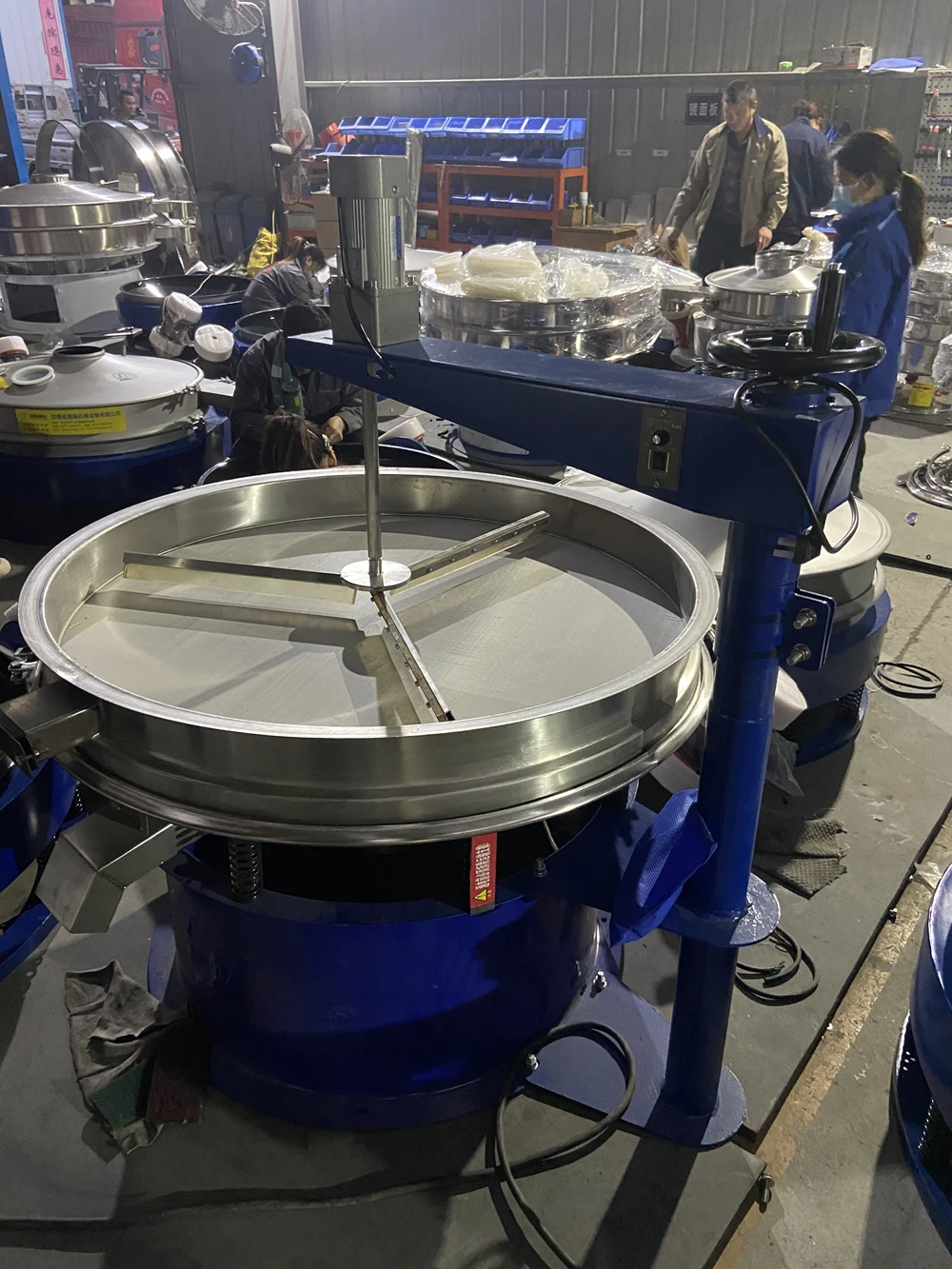
Vibrating Screen and Conveyor Machine Manufacturer & Supplier
Built for precision screening, reliable performance, and flexible industrial applications,
Yuanjing rotary vibrating screens are trusted by customers worldwide.

Global Project Experience
Yuanjing products are exported to 50+ countries and regions, serving industries including food, chemicals, pharmaceuticals, mining, and new energy.
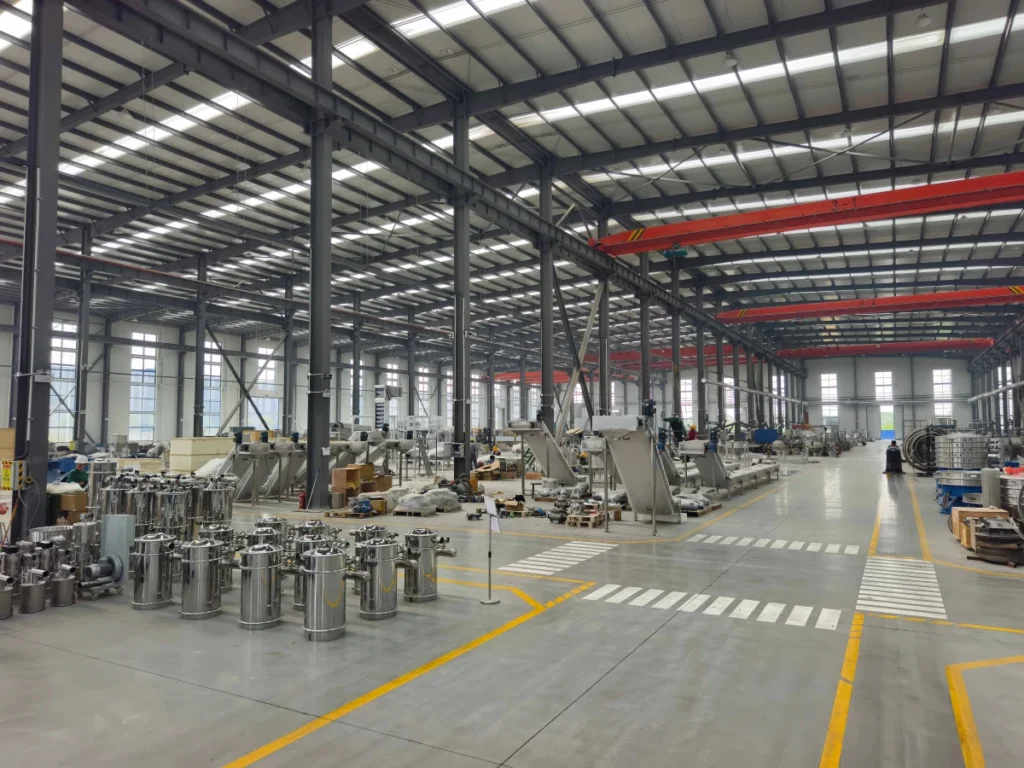
Strong Manufacturing Capability
Advanced production lines with laser cutting, CNC machining, automatic welding, and strict quality inspection ensure consistent product quality.
Accurate & Stable Separation
Optimized vibration design delivers even material flow, high screening accuracy, and stable long-term operation.
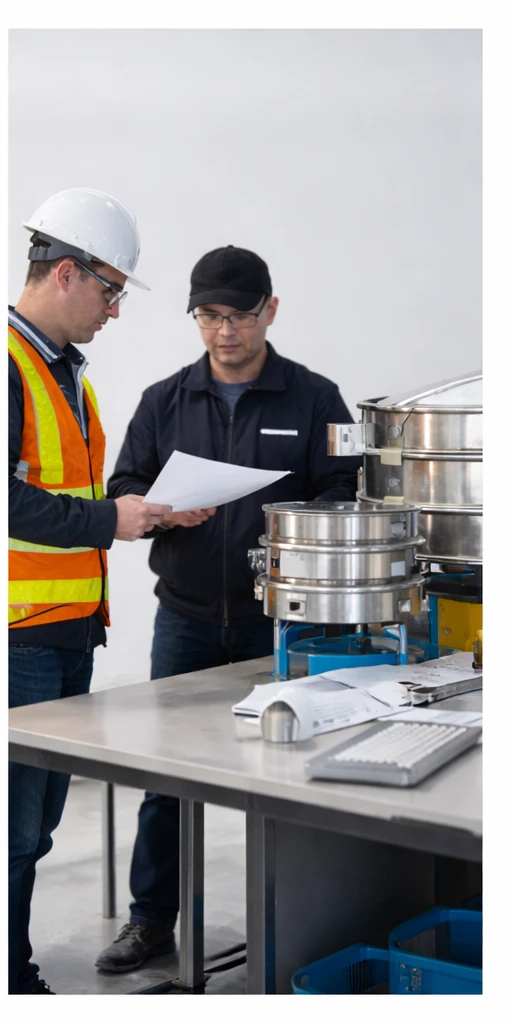
Customized Screening Solutions
Yuanjing offers flexible configurations in diameter, mesh size, deck layers, and material options to fit your exact process requirements.
Ultrasonic Vibrating Sieve Customer site
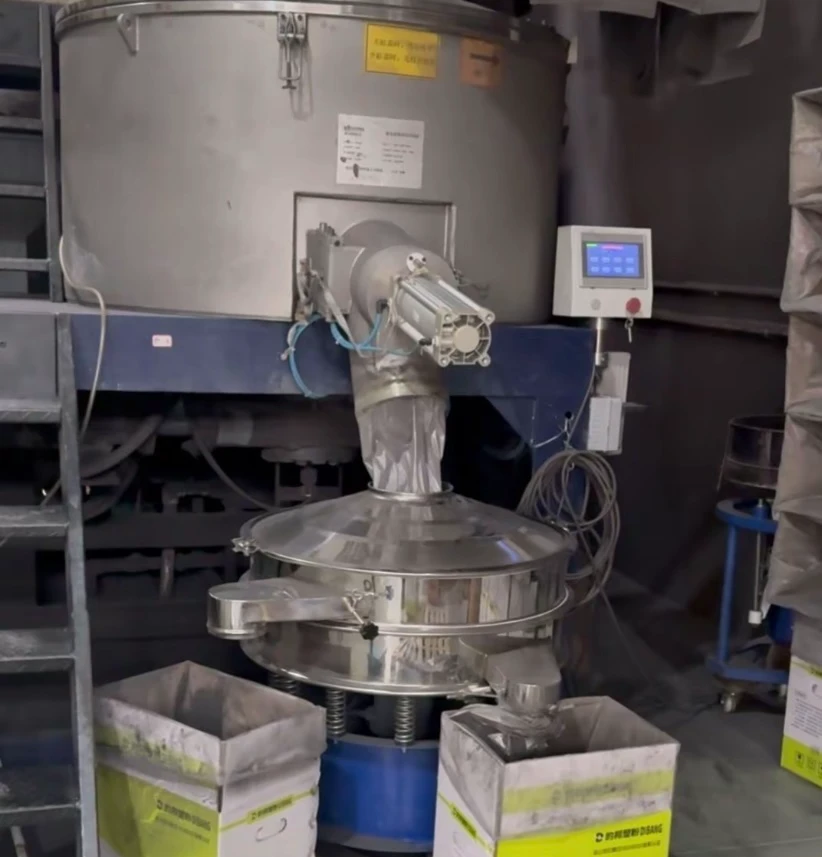
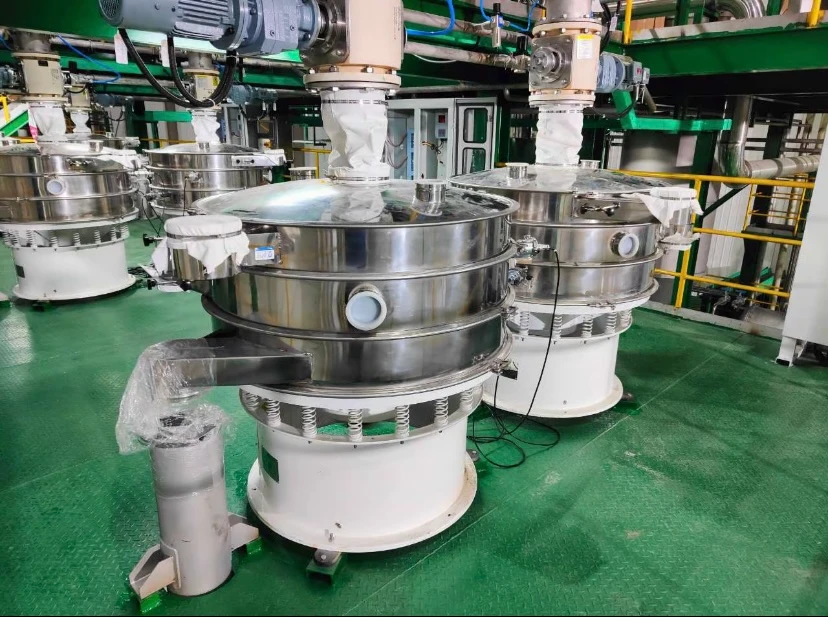
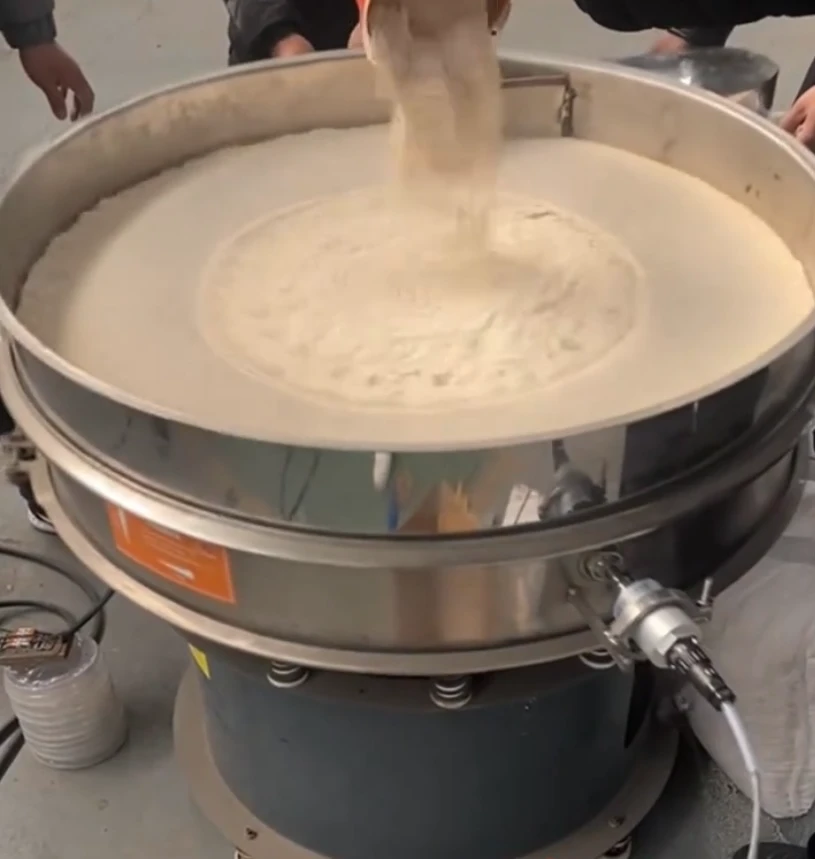
Explore real customer on-site usage scenarios of our ultrasonic vibratory separator, demonstrating stable performance, efficient material separation, and reliable operation across different industrial applications.
Ultrasonic Sieve for Food Powder Processing
The ultrasonic sieve designed for food powder processing is constructed from food-grade 304 stainless steel and is capable of rapidly processing large quantities of flour, starch, and other materials. It can be integrated with equipment such as grinders, packaging machines, and processing units to facilitate continuous food production lines.
Application of Ultrasonic Sieves in Pharmaceutical Production
Ultrasonic sieving machines are manufactured using 316L medical-grade stainless steel, ensuring safety, hygiene, and non-toxicity. They can be connected to vacuum feeders, packaging machines, and other equipment to carry out pharmaceutical processing without the need for manual intervention.
Ultrasonic Sieves in Chemical Plants
When used for chemical powder processing, the ultrasonic sieve offers excellent sealing properties and high screening precision; it effectively screens chemical formulations while ensuring that no leakage occurs.
FAQs
Get Custom Solution
We can provide customised screening and conveying equipment solutions tailored to different materials and production requirements.
Send us your requirements, and our team will provide the right solution and a fast quotation within 24 hours.