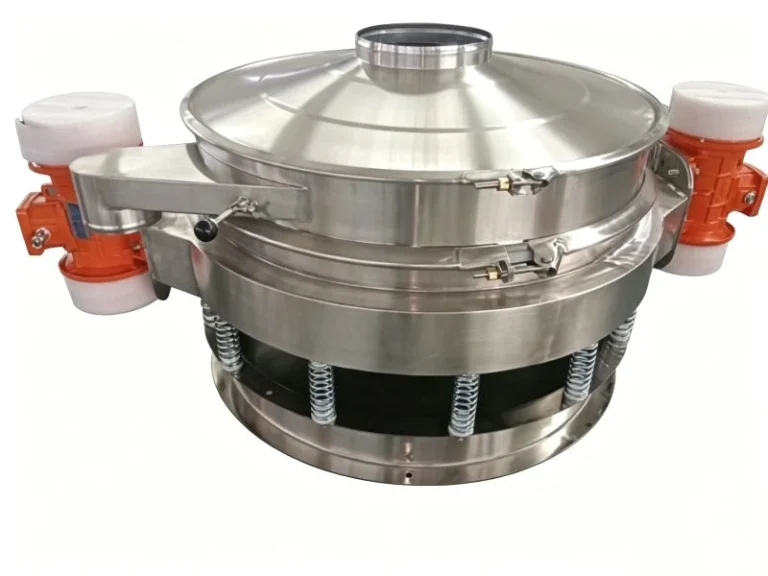
How to Select High Frequency Screen for Slurry Dewatering | Mining & Food Grade
Industries dealing with slurries, liquid mixtures, and fine particle separation often face challenges such as screen blinding (clogging), low dewatering efficiency, and the need for frequent screen replacements. Improper selection of high-frequency vibrating screens can result in production losses of 20% to 40% and increased maintenance costs. This article examines key selection factors—including material properties, throughput requirements, screen specifications, and equipment durability—to help you select a cost-effective high-frequency vibrating screen for fine particle separation and slurry dewatering.
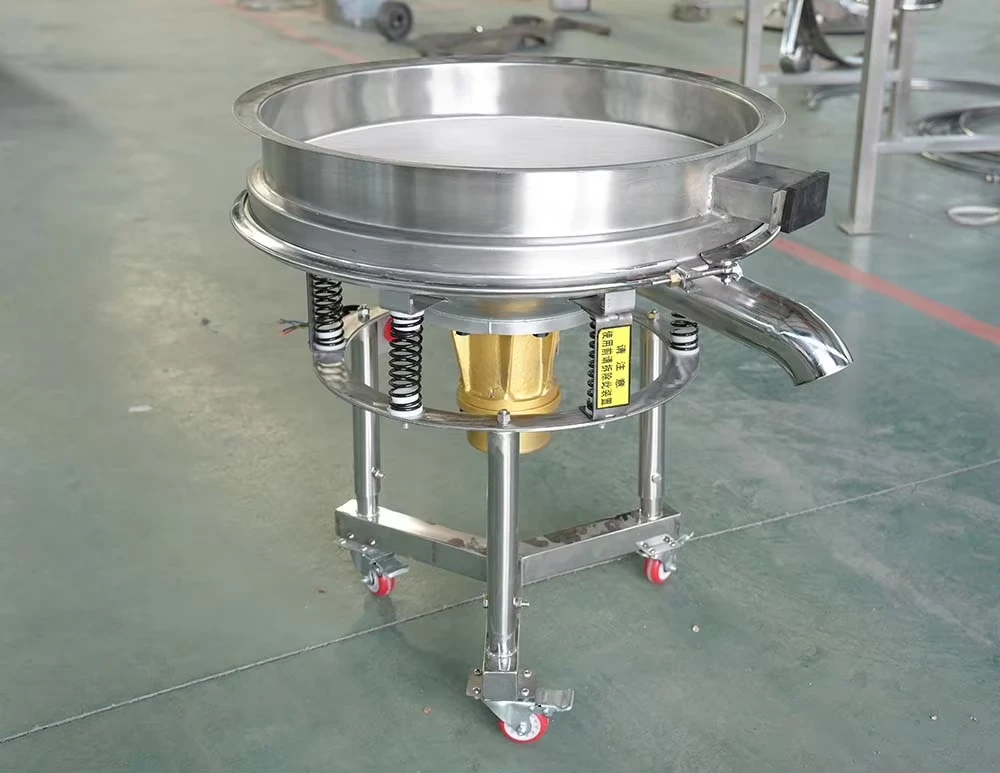
What is High Frequency Screen
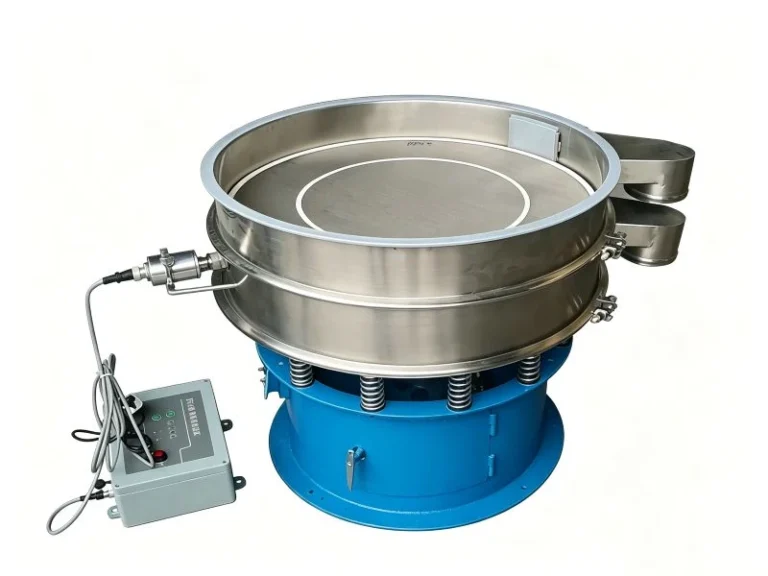
A high frequency screen is a screening device that achieves solid-liquid separation and fine particle classification through high-frequency, low-amplitude vibration. It is primarily used to process slurries, materials with high moisture content, and fine-grained materials, and is widely applied in industries such as food, mining, chemicals, and pharmaceuticals. Its core value lies in improving screening efficiency, reducing screen clogging, and enhancing the recovery rate of fine particles.
Working Principle
High frequency vibration causes the material to form a thin layer on the screen surface, thereby accelerating screening efficiency.
High-frequency vibration disrupts the water film structure, improving the separation of fine particles from the liquid.
Continuous vibration reduces screen clogging and enhances the stability of continuous operation.
Rapid material stratification enables efficient classification of coarse and fine particles.
Appropriate screen configuration controls the final screening precision and processing efficiency.
High Frequency Screen vs Circular Vibrating Screen
| Item | High Frequency Screen | Circular Vibrating Screen |
|---|---|---|
| Vibration Feature | High frequency, low amplitude | Medium frequency, higher amplitude |
| Main Advantage | High efficiency, anti-clogging, easy cleaning | Large capacity, stable continuous operation |
| Suitable Materials | High specific gravity slurry, fine powders, liquid materials | Medium-viscosity & fine slurry materials |
| Typical Products | Soy milk, dairy, medicinal liquid, chocolate slurry, mineral slurry | Juice, Chinese herbal liquid, coatings, ceramic slurry |
| Mesh Range | 20–625 mesh (830–25 μm) | Up to 500 mesh |
| Processing Capacity | Medium | High, suitable for large-scale production |
| Screening Precision | High precision fine separation | High precision with stable grading |
| Cleaning & Maintenance | Easy cleaning, low blockage rate | Can be equipped with ultrasonic anti-blocking system |
| Application Focus | Fine filtration & slurry dewatering | Continuous industrial grading & impurity removal |
| Structure Feature | Compact, energy-saving operation | Fully sealed, leak-proof, continuous discharge |
Applications of High Frequency Screens
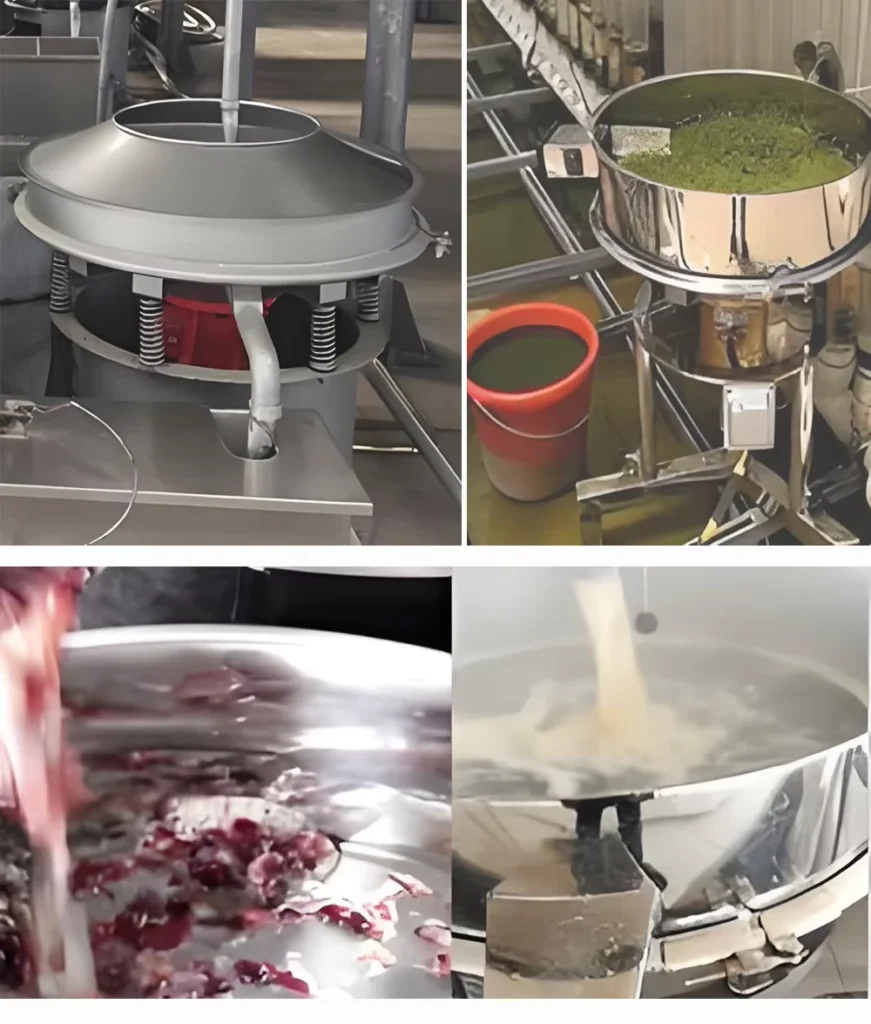
High frequency screens are widely applicable for screening and filtering any powders, granules, and viscous substances in the food, chemical, pharmaceutical, mining, and environmental protection industries. They are particularly suitable for filtering high-concentration liquids.
Food Industry
Food Grade Vibrating Screen Used for solid-liquid separation and impurity removal in soy milk, dairy products, and chocolate syrups.
Pharmaceutical Industry
Used for filtering pharmaceutical solutions and solid-liquid classification in bio-fermentation broths.
Mining Industry
Mining Vibrating Screen used for slurry dewatering, fine particle recovery, and tailings treatment.
Chemical Industry
Used for impurity separation and liquid purification in chemical slurries. Environmental Protection: Used for solid suspended solids separation and volume reduction in industrial wastewater treatment
Why Global Buyers Choose High Frequency Screens
High frequency screens are widely used in industrial screening and solid-liquid separation processes, primarily designed to handle slurries, fine particles, and materials with high moisture content. For purchasers, their value lies primarily in their stability, processing efficiency, and adaptability to complex materials; therefore, they are often employed in applications with specific requirements for production continuity and separation performance.
Advantages
- They offer high screening efficiency and demonstrate greater stability when processing fine particles and materials with high moisture content.
- Their operating mode is suitable for continuous production, helping to reduce downtime.
- They exhibit strong adaptability to slurries and can handle materials with certain levels of viscosity and solids content.
- Screening precision is relatively controllable, making it easier to meet various process requirements.
- The structural design is relatively mature, resulting in lower maintenance complexity and easier replacement of spare parts.
Factors to Consider Before Buying
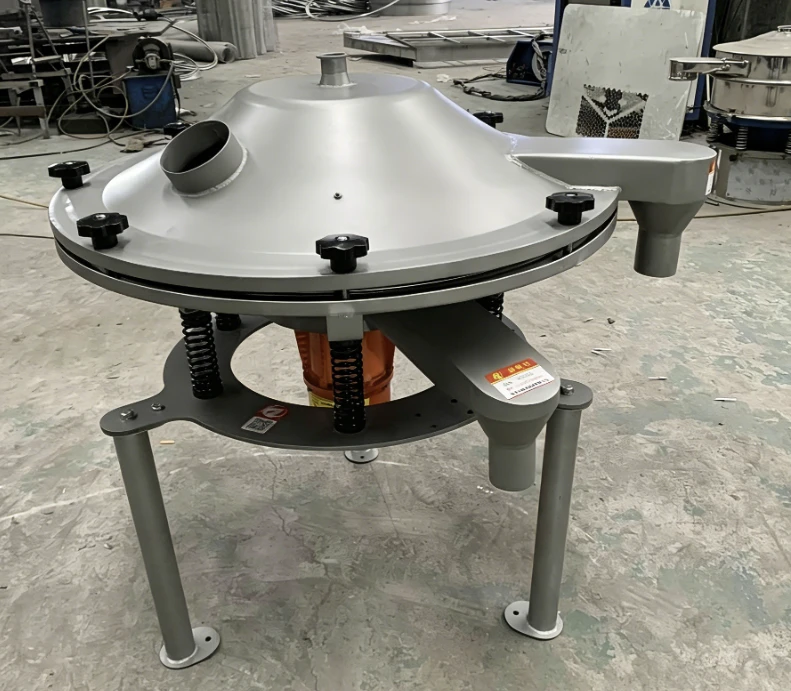
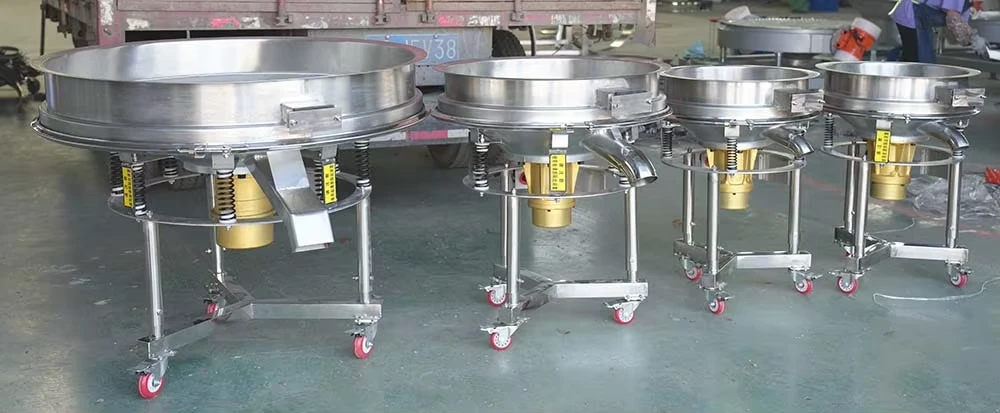
High frequency screens, used for solid-liquid separation and fine particle screening, directly impact production efficiency, operational stability, and subsequent maintenance costs during the selection phase. A comprehensive evaluation considering the actual industry application is necessary before procurement.
1. Material properties are paramount, including particle size distribution, moisture content, and viscosity, directly determining the screening effect.
2. Processing capacity must match the production line’s output to avoid insufficient capacity or equipment idleness.
3. Screen configuration affects final accuracy and clogging frequency; it should be selected appropriately based on the target particle size.
4. Material selection relates to wear resistance and corrosion resistance; requirements differ significantly between food and mining environments
5. Energy consumption and operational stability affect long-term costs; attention should be paid to motor configuration and vibration system design.
Common Mistakes Buyers Should Avoid
When purchasing high frequency screens, a lack of experience can easily lead to increased operating costs or production line instability down the line.
1. Ignoring material characteristics:
For example, in an overseas slurry dewatering project, the screen mesh was designed according to food industry standards, resulting in insufficient processing capacity when handling tailings with high solid content.
2. Mismatch Between Customization Capabilities and Production Lines:
During the retrofit of a soy milk production line for a client in Singapore, the feeding method was not redesigned to accommodate the on-site space constraints. As a result, additional piping modifications were required after equipment installation to enable operation.
3. Manufacturing Quality Affects Long-Term Equipment Stability:
In a continuous quartz sand screening project for a client in Vietnam, insufficient welding precision led to structural fatigue cracks in the screen box within three months.
4. Neglecting after-sales support and spare parts supply:
For example, at an overseas food processing plant, a damaged screen mesh caused the production line to be shut down for over a week due to excessively long spare parts lead times.
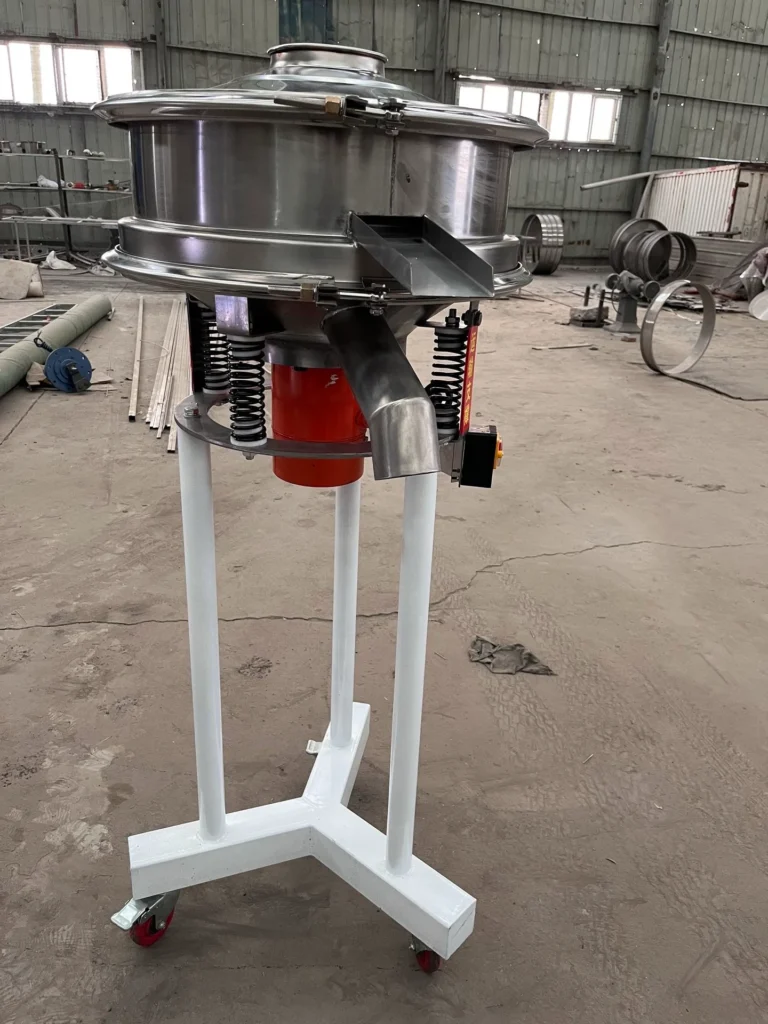
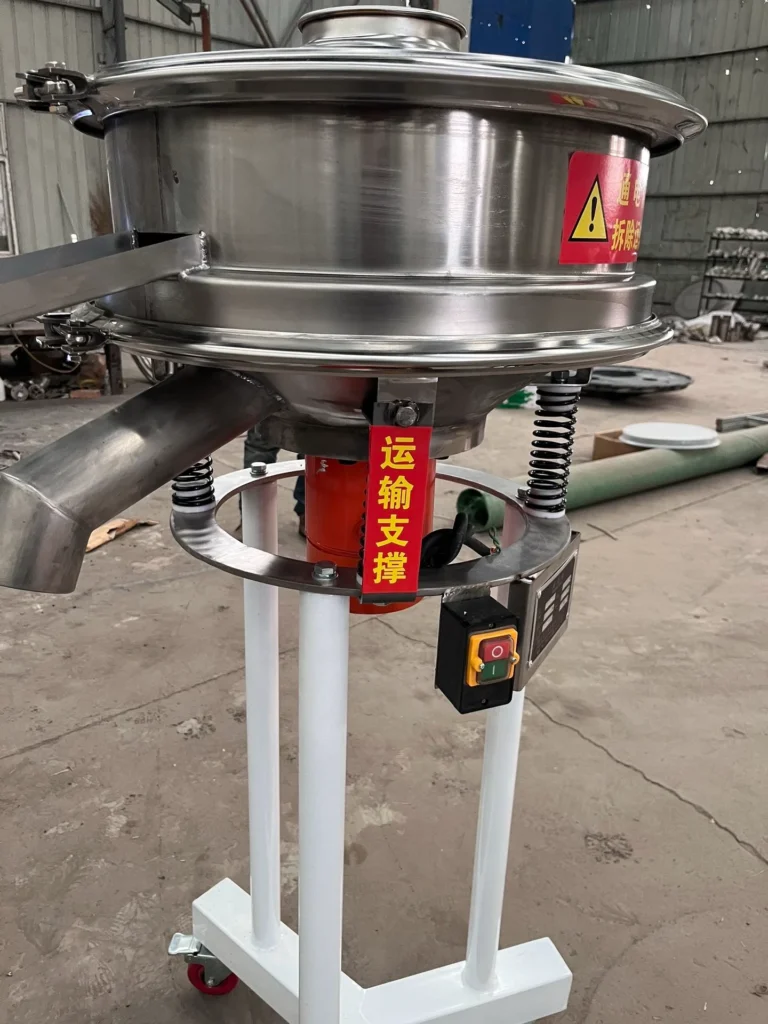
To address variations in material conditions, Yuanjing Machinery conducts industrial screening equipment selection evaluations based on industry application experience during the early project stages. For non-standard customization, we ensure the equipment integrates seamlessly with the production system; During the manufacturing phase, we enhance overall operational stability by strictly controlling the precision of critical welding and assembly processes; we also provide material trial runs and screening tests, using actual data to replace empirical judgment and improve the accuracy of equipment selection; in the after-sales phase, we have established a rapid response mechanism for spare parts, shortening the replacement cycle for critical wear parts and reducing downtime.
How to Choose the Right Supplier
The choice of a high frequency screen supplier directly impacts equipment operational stability, delivery time, and subsequent maintenance costs. The following points can be considered:
1. Industry application experience determines whether the supplier truly understands the differences in operating conditions for different materials (such as mineral slurries and food slurries).
2. Customization capabilities affect the degree to which the equipment matches production line conditions and process requirements.
3. Processing and manufacturing quality relate to equipment stability and lifespan.
4. Whether trial runs or material testing services are provided helps reduce selection risks. After-sales service and spare parts supply capabilities affect the long-term continuity of equipment operation and maintenance costs.
5. After-sales service and spare parts supply capabilities affect the long-term continuity of equipment operation and maintenance costs.
Conclusion
Selecting the right high frequency screen involves a comprehensive assessment of material characteristics, process requirements, and equipment compatibility, rather than a simple comparison of individual parameters. For buyers, it is important to choose a supplier with industry experience, customization capabilities, and a track record of reliable delivery. If you need assistance in selecting the appropriate high-frequency screen, please provide us with detailed information so we can conduct a tailored evaluation and offer recommendations.