Industrial Screen Clogging: Causes & Prevention Solutions
Introduction
Industrial screen clogging occurs when fine particles, moisture, sticky materials, or electrostatic powders block screen openings. The result is lower screening efficiency, reduced capacity, and more frequent cleaning. The right solution depends on the cause of the buildup.
This article explores the main causes of industrial screen clogging and explains practical ways to prevent mesh blockage while improving screening efficiency.
What Is Industrial Screen Clogging?
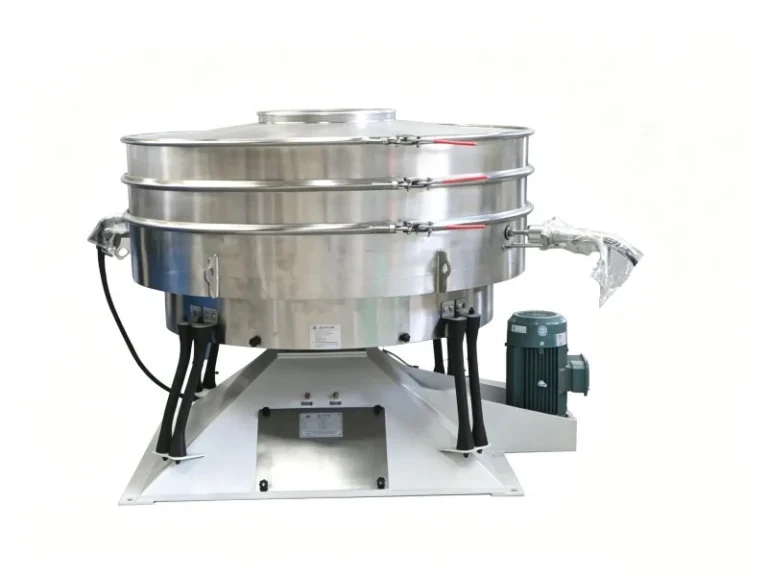
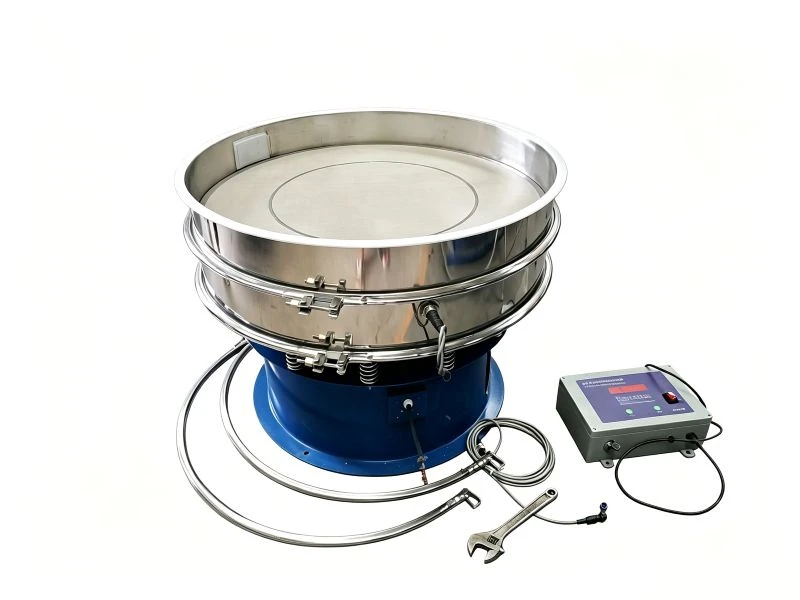
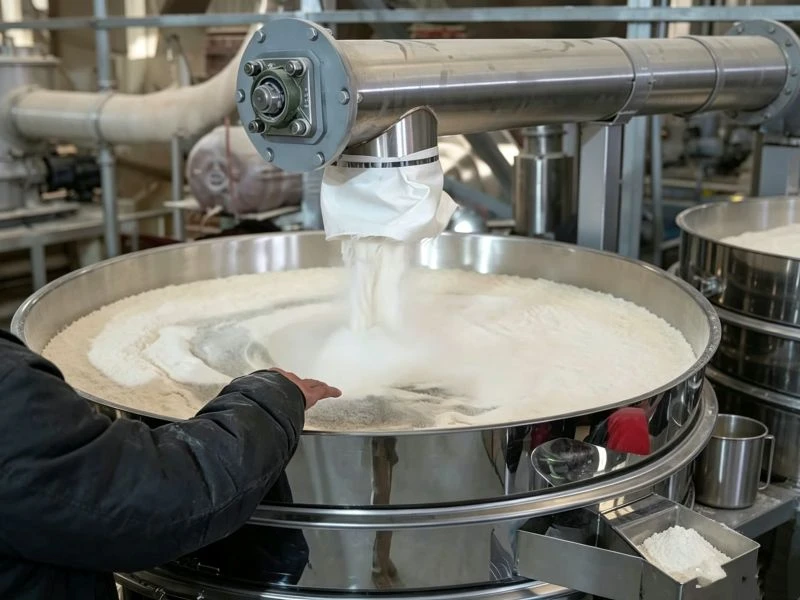
Industrial screen clogging occurs when particles block the openings of a screen mesh, preventing materials from passing efficiently through a vibro sifter during the screening process. Common signs of screen mesh blockage include reduced screening capacity, lower production output, increased material buildup on the screen surface, frequent shutdowns for manual screen cleaning, shorter screen mesh service life, and inconsistent product quality.
In industries such as lithium battery materials, metal powder processing, chemical manufacturing, mineral processing, and pharmaceutical production, preventing industrial screen clogging is especially important. Many materials used in these industries contain ultrafine particles that are difficult to screen, which can easily cause vibrating screen blockage, reduce screening efficiency, and increase maintenance requirements.
What Causes Industrial Screen Clogging?
Screen clogging is typically caused by a combination of factors, including material properties, equipment parameters, operating procedures, and screen selection:
| Category | Specific Causes | Typical Symptoms |
| Material Characteristics | 1. Excessive moisture content (>12%)2. High fine powder content and particle agglomeration3. Electrostatic adhesion (e.g., carbon powder, lithium battery materials)4. Excessive fibers or impurities | Screen surface forms mud cakes; particles clump together; fine powders adhere to screen openings |
| Equipment Parameters | 1. Improper vibration amplitude or frequency settings2. Incorrect adjustment of eccentric block angle3. Failure of screen cleaning devices4. Uneven feeding causing local overload | Poor material stratification; low screening efficiency; localized screen blockage |
| Screen Mesh Factors | 1. Incorrect mesh size selection for material particle size2. Insufficient screen tension3. Improper screen material selection | Near-size particles block mesh openings; loose screen causes clogging; accelerated wear and short service life |
| Operating Process | 1. Excessive feeding speed2. Improper screen deck inclination angle3. Uncontrolled environmental humidity | Material accumulation; poor material flow; increased moisture absorption and clogging |
How to Prevent Industrial Screen Clogging?
Material Optimization
1. Moisture Control:
Subject high-moisture materials to drying or low-temperature dehumidification to keep water content below 8%.
Equip moisture-sensitive materials with sealed enclosures and dehumidification systems to maintain ambient humidity at ≤60%.
2. Anti-static Treatment:
Add appropriate anti-static agents (e.g., food-grade silica) to reduce surface charge on particles.
Ground the equipment and install ionizing air bars to eliminate static electricity.
3. Pre-screening and Pre-treatment:
Use coarse screening to separate large particles and fibrous impurities beforehand, thereby reducing the load on the main screen.
Subject materials with severe agglomeration to pre-treatment using a de-agglomeration device.
Installation of Mesh Cleaning Systems
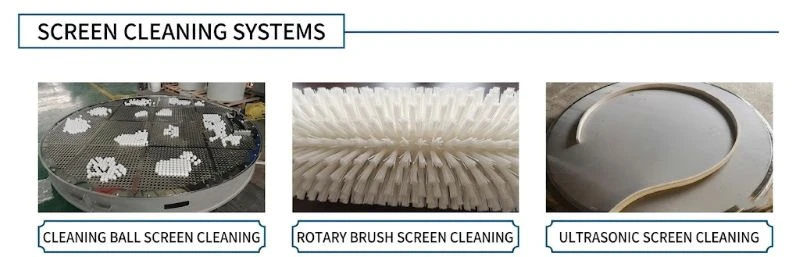
1. Bouncing Ball Cleaning:
Suitable for granular materials (≥60 mesh); rubber balls strike the underside of the screen to effectively clear mesh blockages.
2. Ultrasonic Cleaning:
Suitable for ultra-fine powders (≤625 mesh) and materials prone to static electricity; high-frequency vibrations disrupt particle adhesion forces.
3. Rotary Brush Cleaning:
Suitable for slurries or viscous materials; a rotating brush continuously cleans the screen surface.
4. Combined Cleaning:
Utilizes a dual “Bouncing Ball + Ultrasonic” system to meet the screening requirements of complex materials.
Screen Selection and Maintenance
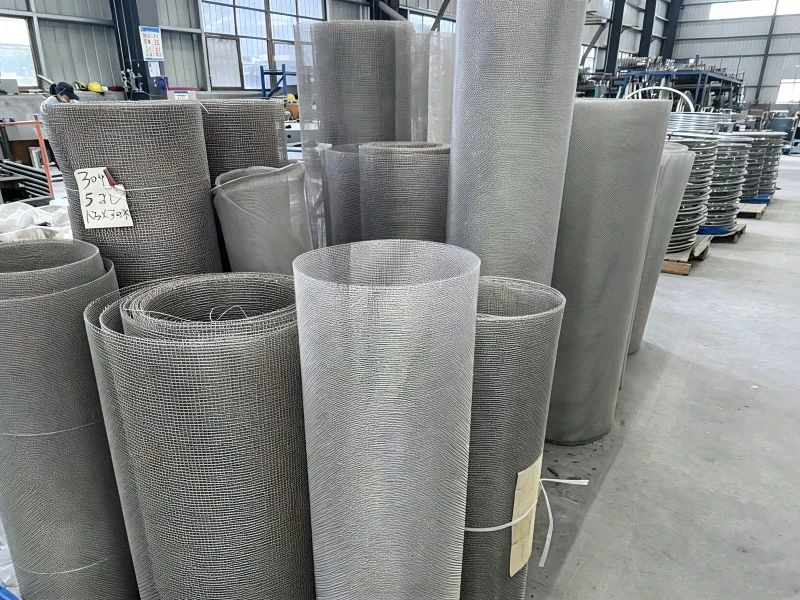
1. Material Selection:
For the food and pharmaceutical industries, select 316L stainless steel (compliant with GMP requirements).
For corrosive materials, select titanium alloy or specially coated screens.
For high-temperature materials, select heat-resistant alloy materials.
2. Specification Matching:
The screen mesh count should be 1–2 levels finer than the target particle size to prevent “near-size” particles from becoming lodged in the apertures.
For fine screening (>300 mesh), prioritize multi-layer composite screens to extend service life.
3. Routine Maintenance:
Maintain screen tension at 85–90% and regularly inspect and replace aged screens.
Use a high-pressure air gun for back-blowing and cleaning; avoid scratching the screen surface with hard objects.
Conduct thorough inspections before, during, and after the screening process.
What Is the Difference Between Screen Clogging and Screen Blinding?
Screen clogging and screen blinding both reduce screening efficiency, but they describe slightly different problems.
- Screen clogging refers to screen openings being blocked by material, which reduces material flow and screening capacity.
- Screen blinding occurs when fine, wet, sticky, or electrostatic materials cover or block the screen openings, reducing the effective screening area.
- Screen pegging happens when particles close to the size of the screen openings become stuck in the mesh.
These problems are often caused by moisture, sticky materials, fine powders, static electricity, or unsuitable mesh selection. Choosing the right screen mesh, adjusting vibration and feeding conditions, and using suitable screen cleaning systems can help reduce clogging and blinding.
Ultrasonic Screen Cleaning vs Traditional Screen Cleaning Methods
| Feature | Traditional Cleaning | Ultrasonic Cleaning |
| Cleaning method | Mechanical impact | High-frequency vibration |
| Fine powder screening | Limited | Excellent |
| Screen damage | Higher | Lower |
| Manual maintenance | Frequent | Reduced |
| Continuous operation | Limited | Better |
Related videos
Industries That Benefit from Anti-Clogging Screening Solutions
Screen clogging is a common challenge in industries that process fine powders, sticky materials, and electrostatic particles. Once the screen openings become blocked, screening efficiency decreases, cleaning frequency increases, and product consistency can be affected. Effective anti-clogging screening solutions help maintain stable production and improve overall screening performance.
Lithium Battery Material Screening
Lithium battery materials such as graphite, cathode materials, and anode powders often contain ultrafine particles that are difficult to screen. These fine powders can easily accumulate on the screen surface or block mesh openings, reducing screening capacity.
Using lithium battery powder screening equipment equipped with advanced ultrasonic cleaning technology helps improve powder flowability, keep screen openings clear, and achieve stable particle size separation.
Pharmaceutical Powder Screening
Pharmaceutical powder screening requires high accuracy and strict quality control. Fine particles, moisture, and electrostatic charges can often lead to pharmaceutical powder sieving challenges, causing screen clogging and unstable production output.
Screening solutions equipped with ultrasonic systems help reduce screen blockage while ensuring clean, accurate, and continuous powder processing.
Metal Powder Screening
Metal powders used in additive manufacturing, coatings, and other applications typically have fine particle sizes and strong electrostatic properties. These characteristics create challenges when operating metal powder screening equipment with traditional screening methods.
Combining bouncing balls with ultrasonic anti-clogging systems helps prevent powder buildup, improve screening efficiency, and reduce downtime caused by frequent screen cleaning.
Chemical and Mineral Powder Screening
Chemical powders and mineral materials may contain fine, irregular, or high-moisture particles that are prone to causing screen clogging. In these applications, keeping screen openings clear is essential for maintaining stable production.
Installing rotary brush screen cleaning systems helps reduce material buildup, increase processing capacity, and extend screen mesh service life in demanding industrial environments.
For resin-based coating powders, see how to reduce agglomeration and mesh blinding in powder coatings through powder conditioning, controlled feeding, and suitable de-blinding methods.
Conclusion
Screen clogging in industrial screening is mainly caused by fine particles, moisture, static electricity, improper mesh selection, and unsuitable screening conditions. Choosing the right screen and cleaning system helps maintain screening efficiency, reduce downtime, and lower maintenance costs.
If you are facing screen blockage issues or looking to improve screening performance, our technical team can provide a customized ultrasonic vibrating screen solution based on your material characteristics and production requirements.