How to Choose a Linear Vibrating Sieve for Your Industry
Selecting the right linear vibrating sieve is more than just choosing a piece of equipment—it is a decision that directly impacts production efficiency, product quality, and long-term operating costs. Choosing the wrong screening equipment can lead to inefficiency, material blockages, and unnecessary maintenance costs. Drawing on years of industry experience, this guide will teach you how to select the ideal linear vibrating sieve based on material type, required throughput, mesh size, and industry-specific requirements, helping you make a cost-effective decision that meets your specific production needs.
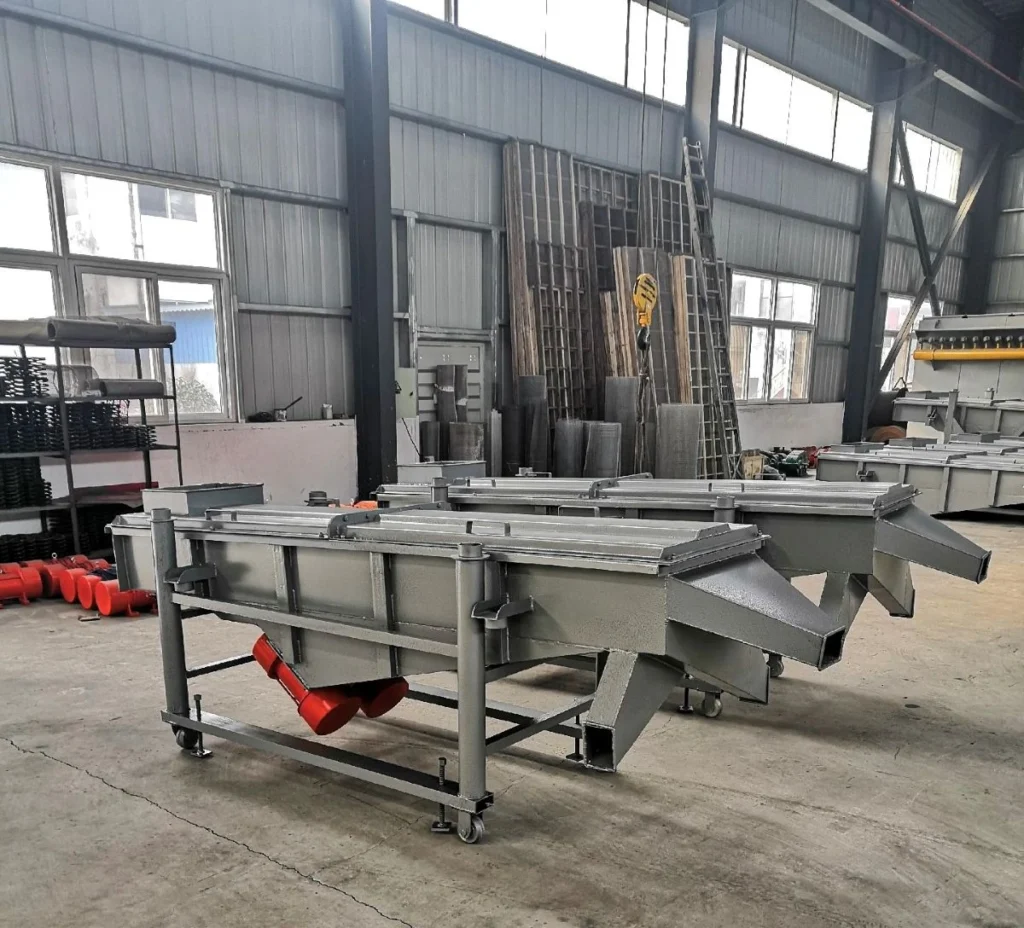
What Is a Linear Vibrating Sieve?
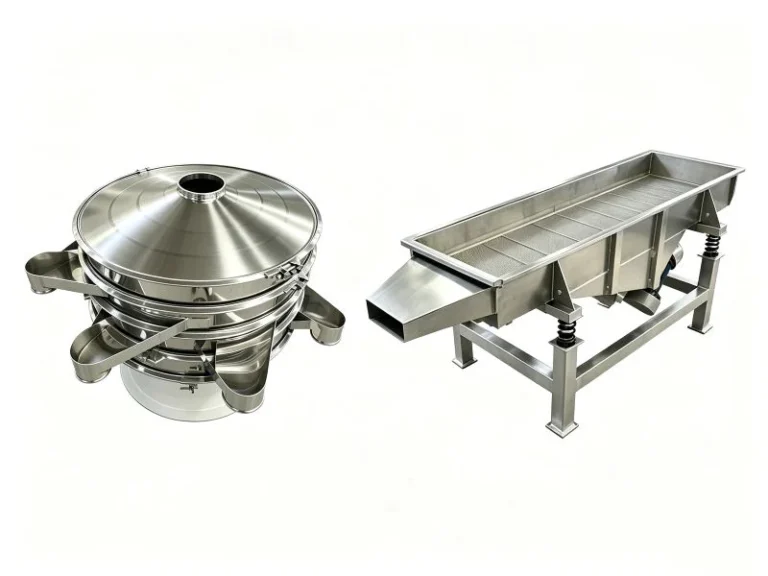
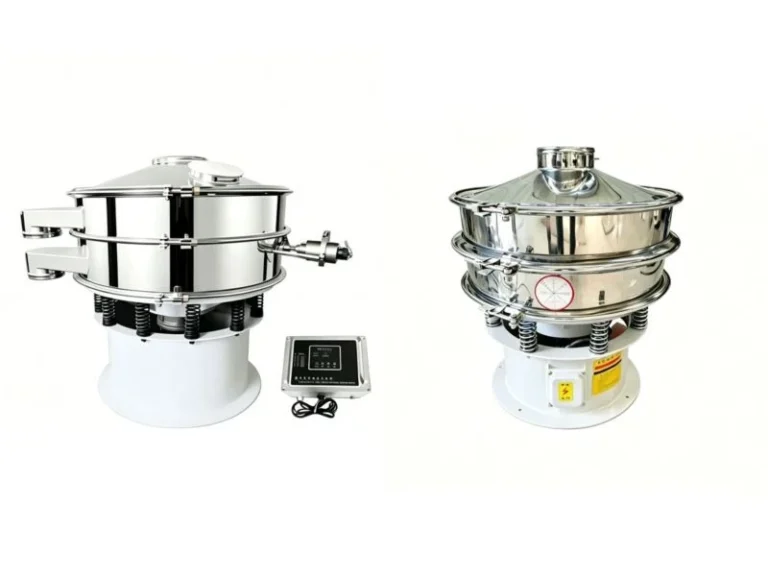
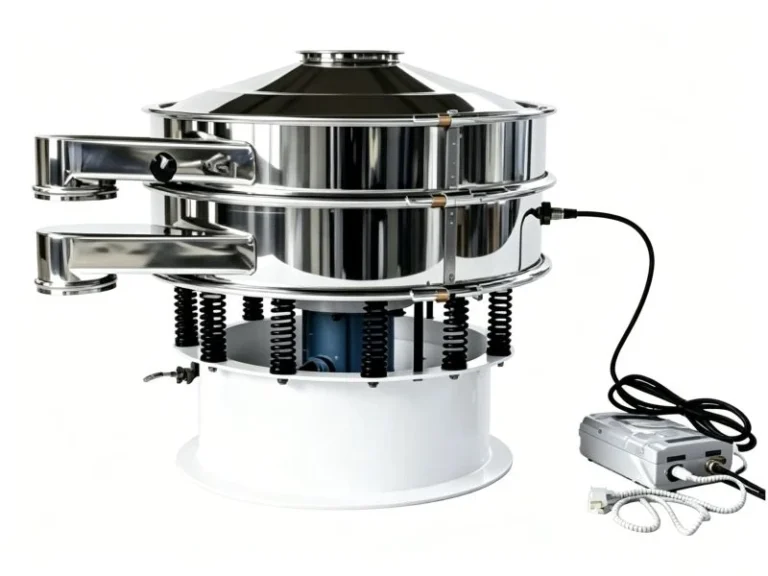
The operating principle of the linear vibrating sieve is based on the exciting force generated by synchronously counter-rotating vibration motors. Under the combined action of this exciting force and the material’s own gravity, the material is tossed upward and moves forward along a linear trajectory across the screen surface, thereby achieving the screening and classification of the material.
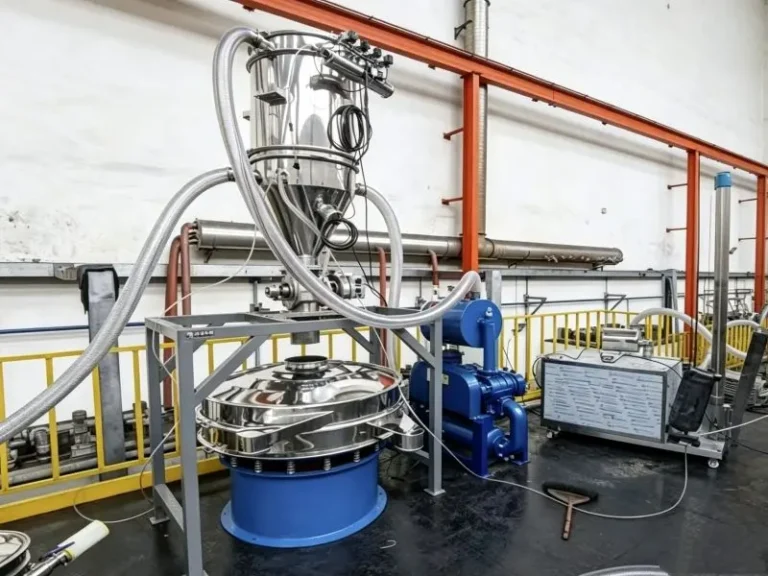
This fine powder machine features low energy consumption, high processing capacity, a simple structure, and convenient maintenance. Furthermore, its fully enclosed design effectively prevents dust leakage and facilitates the automatic discharge of material handling system.
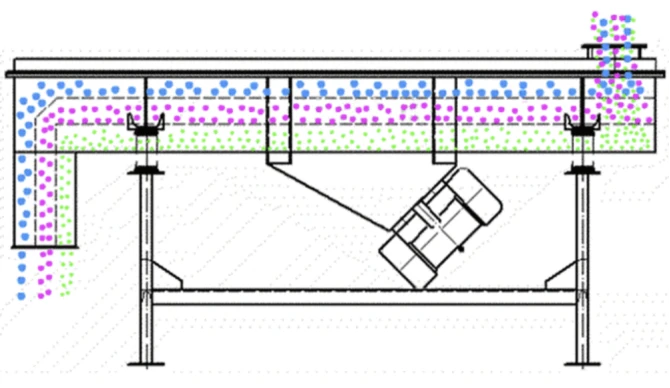
Why Choosing the Right Linear Vibrating Sieve Matters
Selecting the right linear vibrating sieve determines how effectively a production line controls particle size, maintains throughput, and manages operating costs. In practical applications, mismatched equipment often leads to unstable performance, frequent maintenance, and inconsistent product quality. A proper selection aligns material characteristics with machine parameters, ensuring reliable screening, predictable output, and efficient use of resources.
Screening Efficiency
Proper configuration ensures consistent separation and stable processing rates.
Product Quality
Accurate mesh selection maintains uniform particle size and reduces contamination.
Operating Cost
Correct equipment reduces energy use, wear, and unplanned downtime.
Process Stability
Well-matched machines run smoothly with fewer interruptions and adjustments.
Factors to Consider When Selecting a Linear Vibrating Sieve
In industrial screening applications, selecting a linear vibrating screen requires a comprehensive evaluation of material characteristics, production line requirements, and operating conditions. These parameters are interrelated; any deviation in configuration may affect screening efficiency and operational stability. Selection should not be based solely on specification sheets but rather on a comprehensive assessment that takes into account operating conditions, production line rhythms, and long-term maintenance requirements to avoid subsequent efficiency declines or frequent malfunctions.
1. Material characteristics determine equipment suitability
Material particle size, moisture content, and viscosity directly influence the selection of screening methods and equipment design.
2. Processing capacity must match production line output
The equipment’s rated processing capacity should align with actual production demands to avoid overloading or underutilization.
3. Screen mesh specifications affect classification accuracy
The setting of mesh aperture size determines the final product particle size and screening effectiveness.
4. Number of screening decks affects screening efficiency
Single- or multi-deck configurations directly alter the screening path and processing efficiency.
5. Vibration parameters affect operational stability
The compatibility between amplitude and frequency determines the smoothness of material conveyance and screening.
6. Operating environment influences equipment material selection
Different levels of corrosion, high temperatures, or hygiene requirements will affect the choice of materials and structural configuration for the equipment.
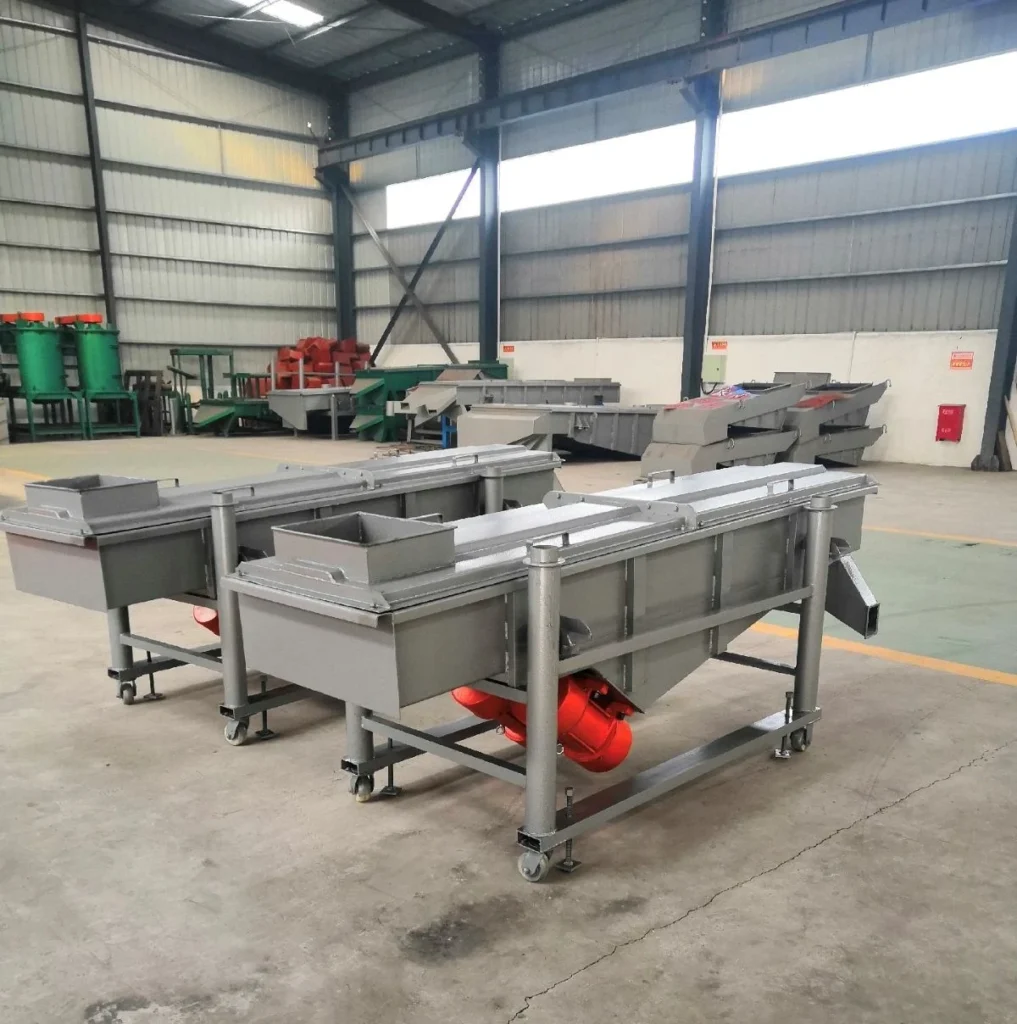 Single-Deck Linear Vibrating Sieve
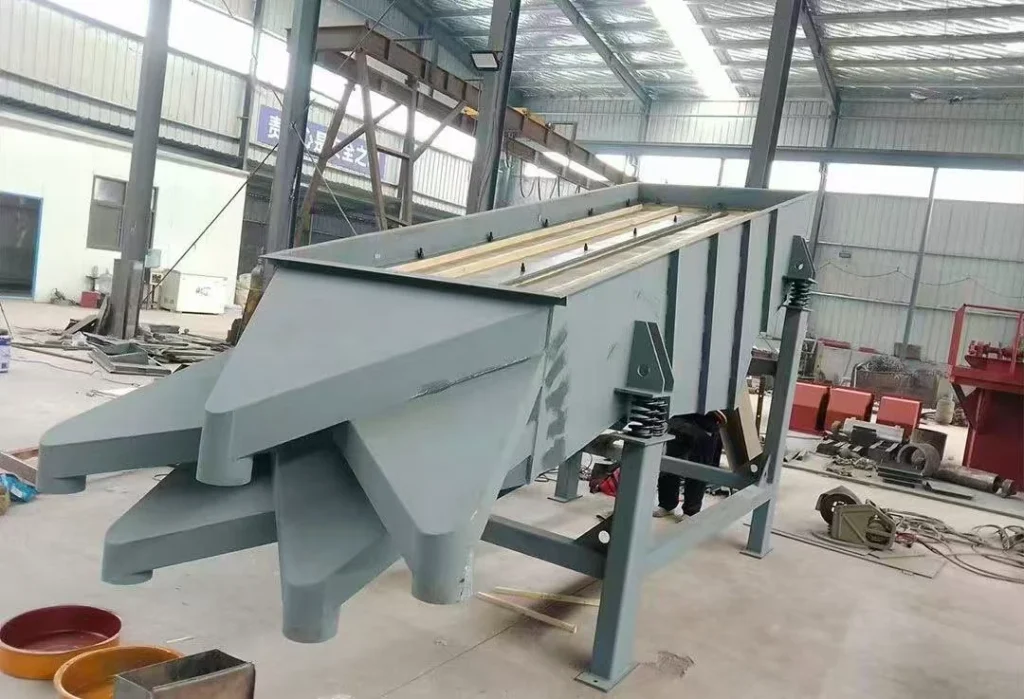 Multi-Deck Linear Vibrating Sieve
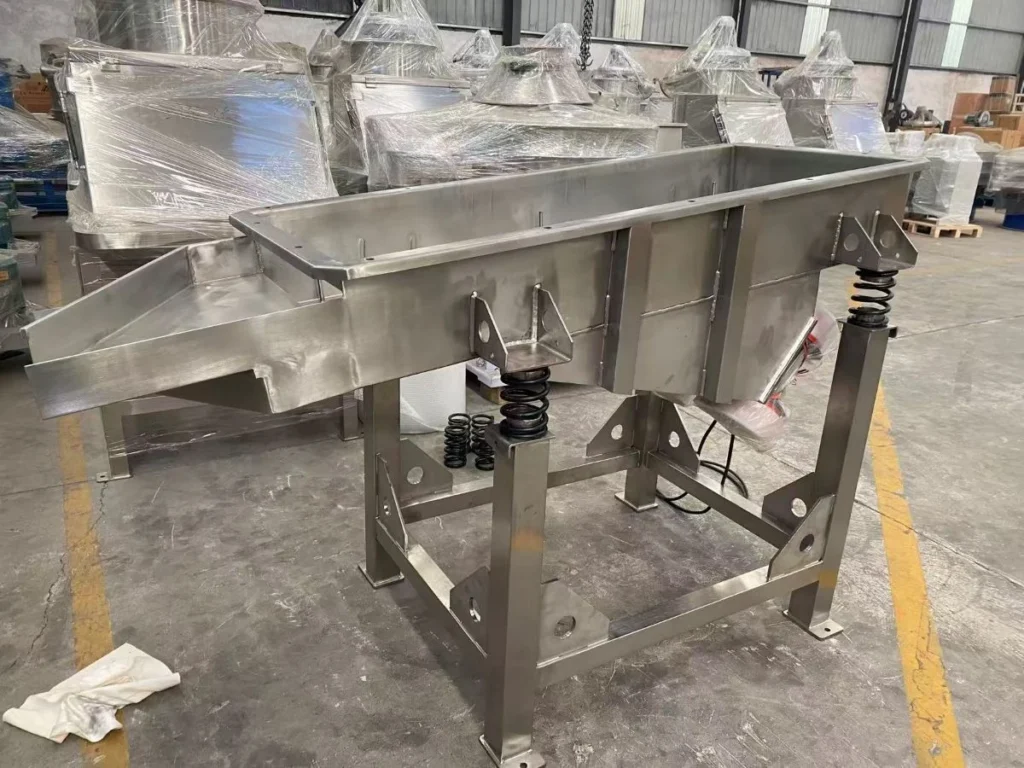
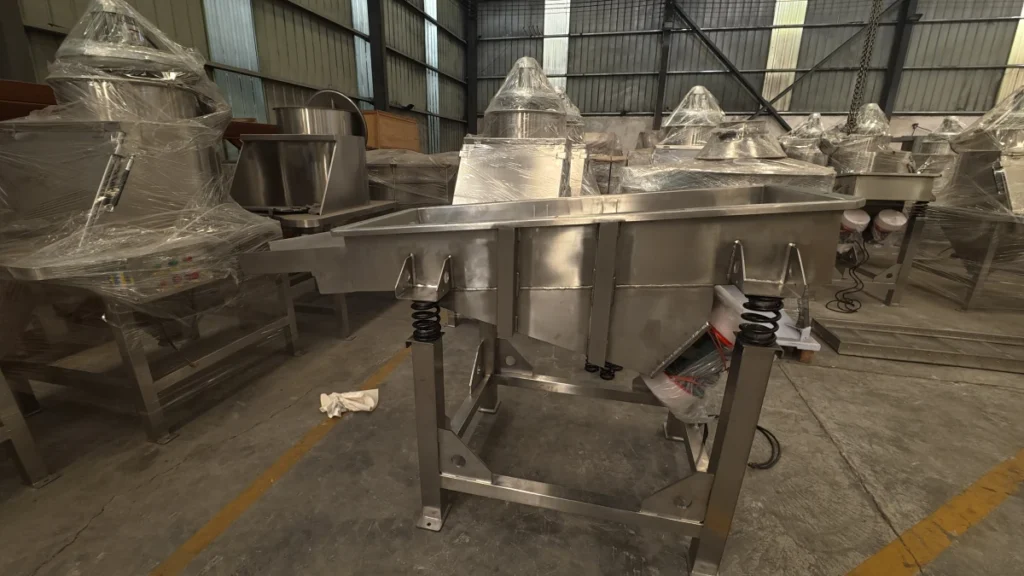
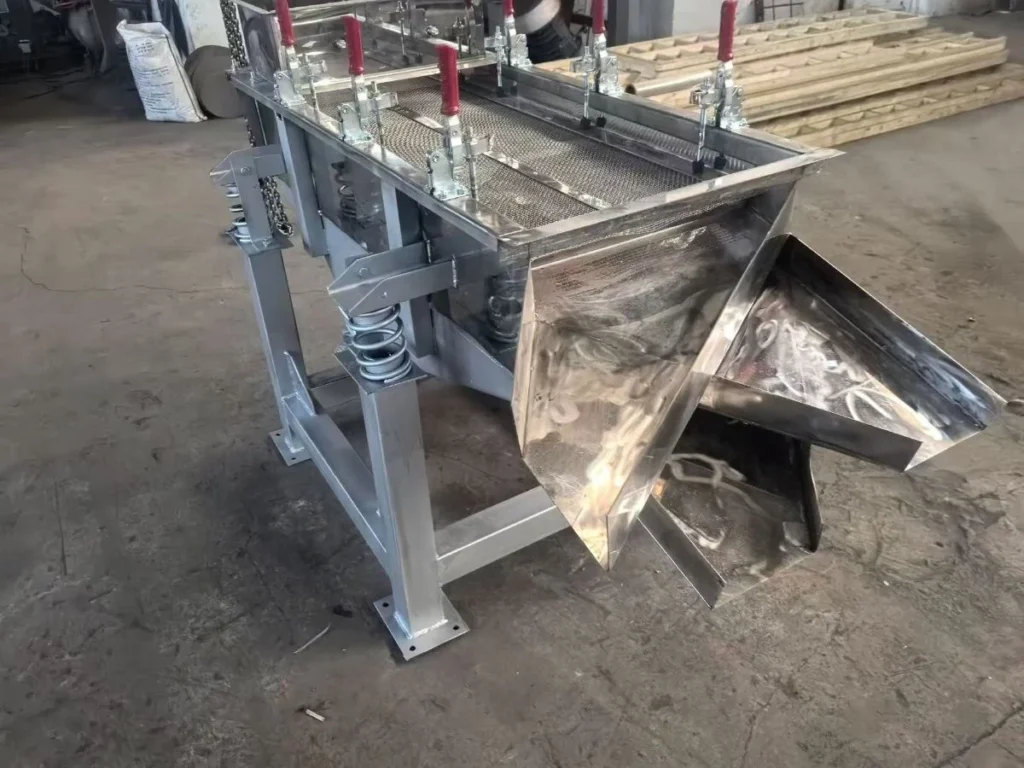 Stainless Steel Construction
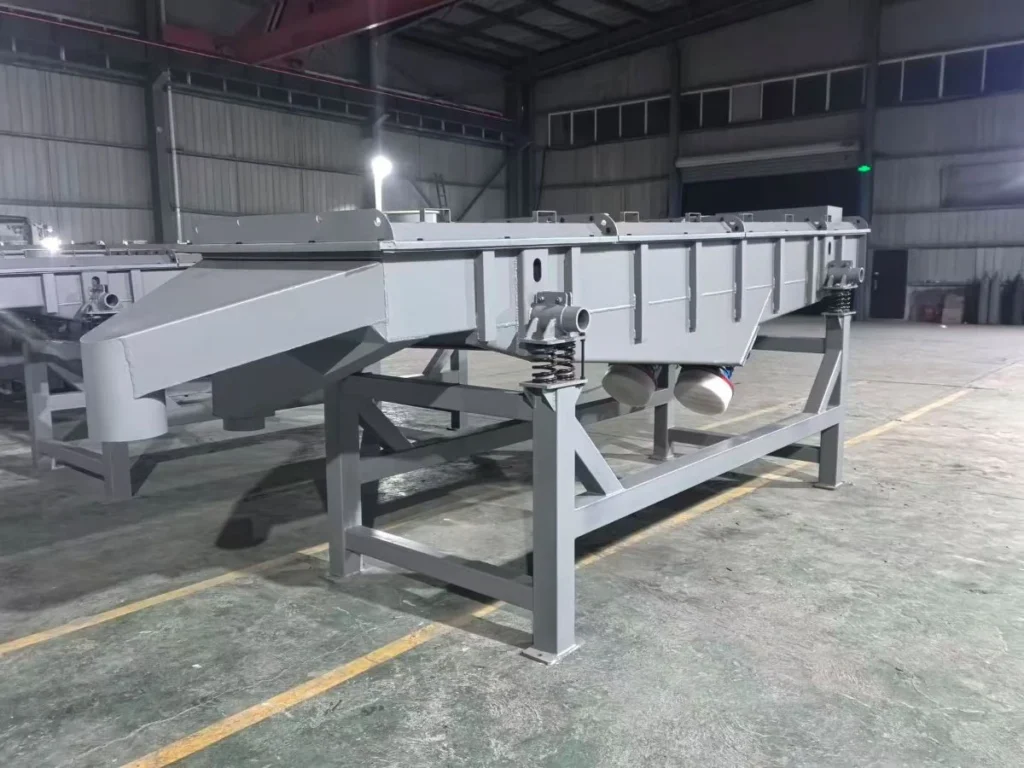 Carbon Steel Construction
Features
High screening precision
Capable of fine screening, effectively separating materials by particle size to meet the specific requirements of various production processes.
High processing capacity
Thanks to its linear motion and large screening area, the multi-deck design allows for simultaneous multi-stage screening, significantly boosting throughput and making it suitable for large-scale production.
Simple structure
Composed primarily of a screen box, vibrating motors, and screen mesh; the compact design facilitates easy installation and maintenance, resulting in lower failure rates and reduced repair costs.
Low energy consumption
Powered by vibrating motors, the unit consumes relatively little power, leading to significant energy cost savings during long-term operation.
Low noise
Operates smoothly with minimal vibration noise, thereby improving the working environment.
Excellent sealing
Features a fully enclosed design that effectively prevents dust leakage and environmental pollution, while also minimizing material loss during the screening process—making it ideal for assembly-line operations.
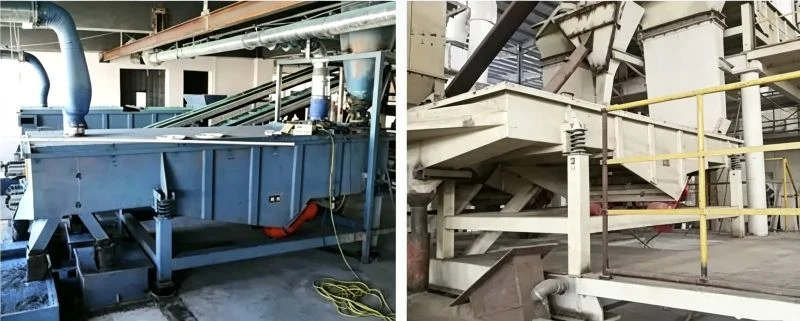
Case Studies
| Screening Material | Specific Gravity | Sieve Mesh Size | Processing Capacity | Model |
|---|---|---|---|---|
| Sesame | 0.15 | 3mm | 600 kg/h | YJZ-515-2s |
| Quartz Sand | 1.6 | 70 mesh | 30000 kg/h | YJZ-1540-3s |
| Wheat Flour | 0.6 | 24 mesh | 1500 kg/h | YJZ-515-3S |
| Iron Ore Powder | 2.3 | 150 mesh | 10000 kg/h | YJZ-1020-3s |
| Mineral Slag | 4 | 5 mm | 10000 kg/h | YJZ-1020-1s |
| Diamond Sand | 4 | 60 mesh | 300 kg/h | YJZ-515-1S |
| Wood Powder | 0.4 | 120 mesh | 2000 kg/h | YJZ-1036-4s |
| Activated Carbon | 0.8 | 36 mesh | 500 kg/h | YJZ-515-1s |
Example: Cumin Seed Screening
an Indian spice processor needed to grade dry cumin seeds at 600 kg/h using 3 mm and 1 mm screens. Based on the material properties, required capacity and workshop layout, a two-deck YJZ-820-2 linear vibrating screen was selected.
Read the full cumin seed screening case.
Applications Across Various Industries
Linear vibrating screens are widely used across various industries that require precise particle separation and consistent throughput.
- Food industry: flour, starch, powdered sugar, milk powder, matcha powder, cocoa powder, seasoning powders, granular food additives
- Chemical Industry: Resin powder, plastic pellets(For a specific application, learn how plastic pellet screening separates fines, acceptable granules, and oversize.), pigments, titanium dioxide, calcium carbonate, chemical fertilizers, catalyst granules
- Mining and Metallurgy Industry: Quartz sand, iron ore powder, coal powder, bauxite, metal powders, ore granules
- Building Materials Industry: Cement, lime powder, gypsum powder, dry sand, putty powder, concrete additives
 Food industry
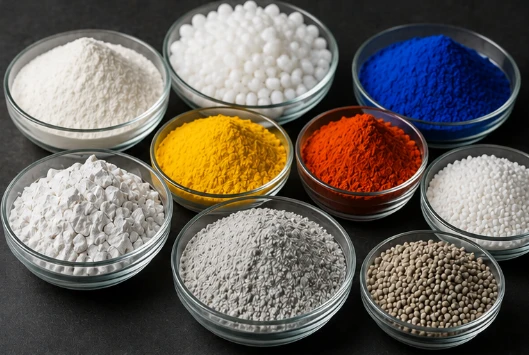 Chemical Industry
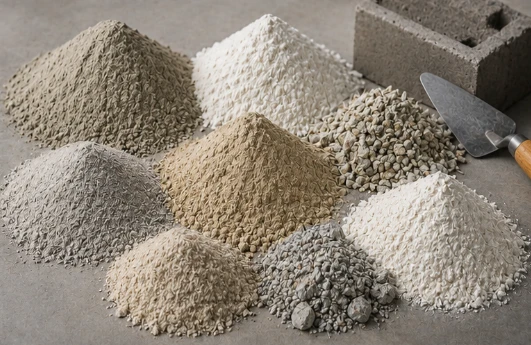 Building Materials Industry
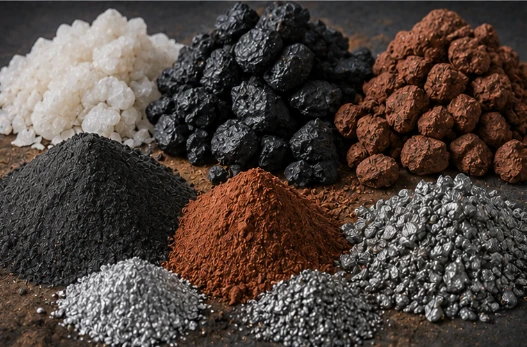 Mining and Metallurgy Industry
Application Case
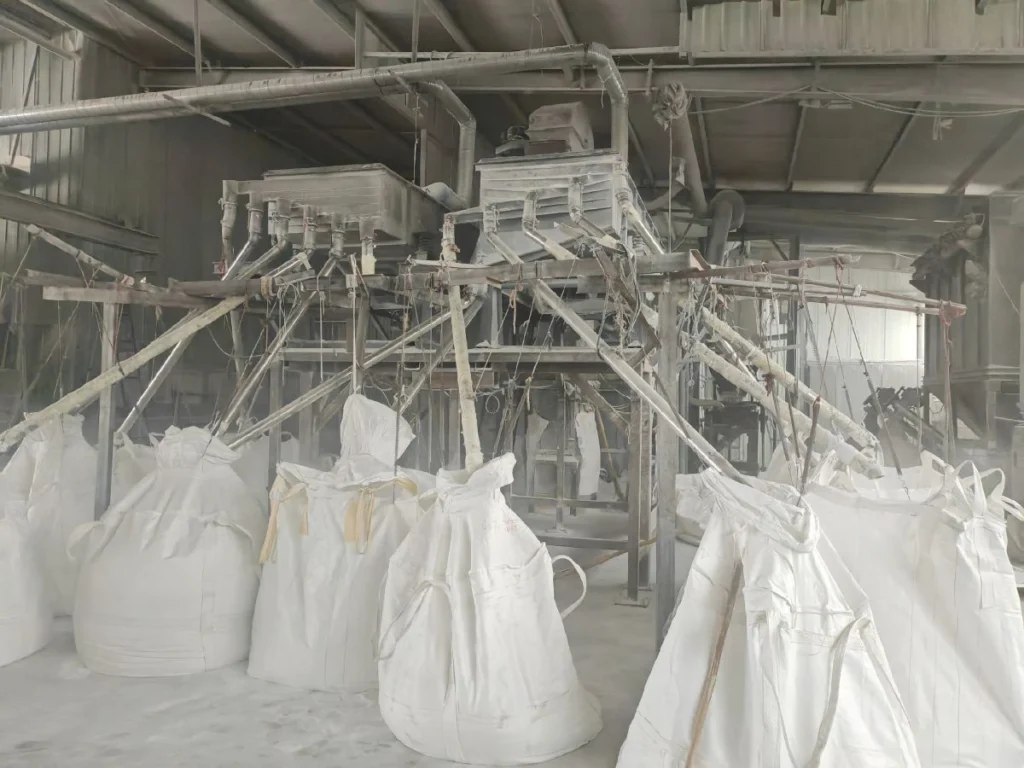
A building materials company primarily produces joint compound and dry-mix mortar additives. The existing production line used standard vibrating screens for classification and powder sieving solutions.
Issues Encountered
1. Low screening efficiency for fine powders results in a small amount of coarse particles in the finished product.
2. Unstable amplitude during continuous operation under high loads, leading to significant fluctuations in output.
Technical Team Assessment
1. The material has high density and average flowability, making it prone to localized accumulation on the screen surface.
2. The screen length of the original equipment was insufficient, resulting in inadequate residence time and affecting classification efficiency.
Optimization Plan
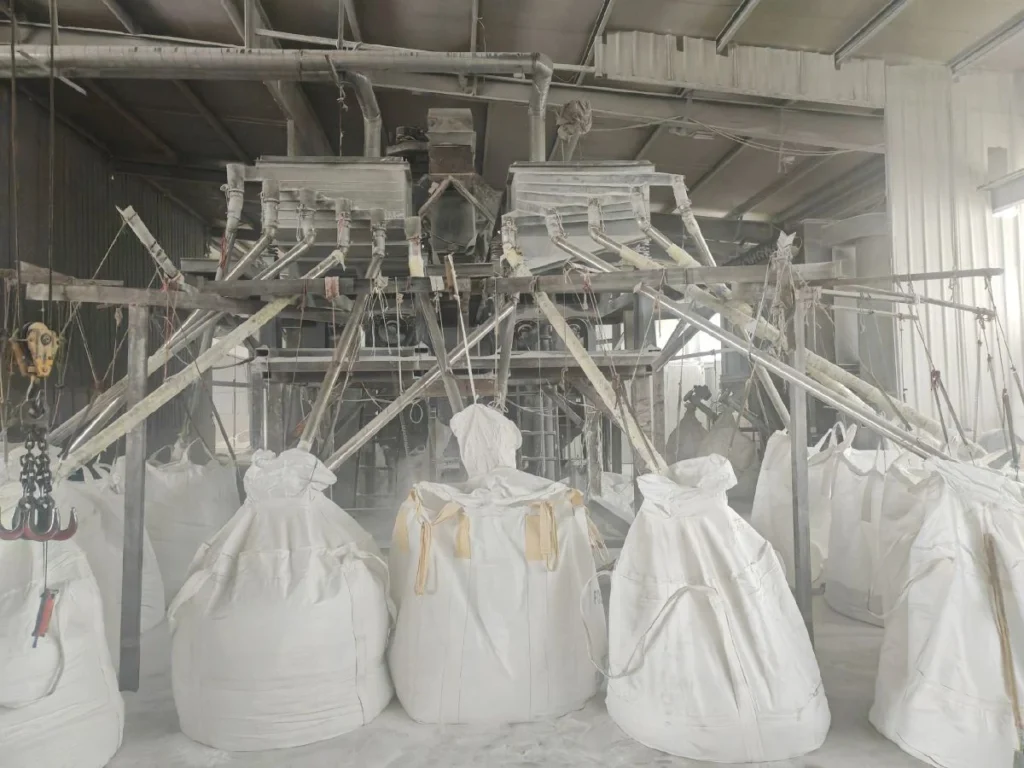
Switch to an extended linear vibrating screen and re-adjust the vibration frequency and excitation force parameters based on material characteristics to improve the uniform distribution of material across the screen surface. Additionally, a buffer device was added at the feed end to reduce the impact of instantaneous load surges.
Results
Following the modification, screening efficiency improved significantly, the fineness of the final product became more consistent, continuous production time was significantly extended, and equipment maintenance frequency decreased. The key improvement in this project lay in the re-optimization of the “material flow behavior + effective utilization of the screen surface,” rather than merely replacing the equipment model.
Problems & Solutions for Linear Screens
In actual production, linear vibrating screens rarely fail due to problems with the equipment itself; rather, failures are typically caused by mismatches between material characteristics, operating conditions, and configuration settings. Analyzing issues based on industry experience helps reduce downtime and improve the long-term performance of the equipment.
Screen clogging
Typically caused by high moisture content, fine particles, or improper screen selection, which hinders the smooth passage of material.
Low screening efficiency
Usually caused by insufficient vibration, an incorrect screen inclination angle, or excessive feed load.
Uneven material distribution
Typically related to poor feed design or unstable material flow at the feed inlet.
Excessive noise or vibration
Usually related to loose components, worn vibration dampers, or an unbalanced vibration motor installation. Declining output over time: Typically caused by screen mesh wear, reduced vibration intensity, or a lack of routine maintenance.
How to Choose a Reliable Vibrating Sieve Supplier
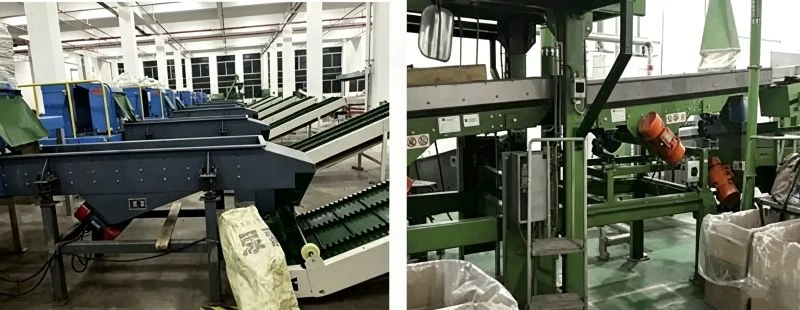
Selecting a linear vibrating screen supplier is essentially about choosing a screening solution that will operate reliably over the long term, rather than simply purchasing a piece of equipment. A reliable supplier should be able to assess material characteristics—such as particle size distribution, moisture content, abrasiveness, and required throughput—and adjust vibration parameters, screen mesh configuration, and material selection accordingly, thereby translating these parameters into a practical screening solution.
Customization Capabilities
Can the supplier provide tailored structural designs based on material characteristics and production line requirements?
Industry Experience
Whether there are practical application cases involving similar materials or industries to support the solution.
Manufacturing Standards
Whether the materials used, welding processes, and assembly precision meet the requirements for continuous industrial operation.
Stability Verification
Whether actual operating data or on-site test records are provided for reference. After-Sales Response: Whether the supplier offers timely technical support and spare parts supply capabilities.
Conclusion
When selecting a linear vibrating screen, it is essential to comprehensively consider material characteristics, production capacity requirements, and operating conditions, rather than relying solely on standard models or price. From the supplier’s perspective, engineering capabilities and practical application experience play a decisive role in ensuring stable equipment operation and consistent screening performance. A well-considered selection process not only reduces downtime and maintenance issues but also enhances long-term production efficiency. For buyers, engaging a technically capable supplier early in the project is the most reliable way to avoid costly adjustments later on and ensure the system achieves its expected performance under actual production conditions.
If you are evaluating equipment for your production line, please feel free to provide material details and capacity requirements at any time. Yuanjing Machinery will provide you with more precise selection recommendations.