Which Sieve Is Used for Fine Powder? A Complete Guide to Choosing the Right Industrial Vibratory Sifter
When selecting industrial vibro sifter for fine powder screening, several key factors must be taken into account, including particle size, material properties, moisture content, production capacity, and required separation accuracy. Fine powders often present common challenges such as mesh clogging, static agglomeration, poor permeability through the screen, and inconsistent grading. Choosing a properly matched industrial system can effectively reduce screen blockage, improve product uniformity, and enhance overall production efficiency.
This selection guide reviews different types of screening industrial vibratory sifter, including rotary vibratory sifters, ultrasonic vibrating screens, and tumbler sifters. By evaluating powder fineness, cohesiveness, electrostatic behavior, and production scale, you can identify the right solution among vibratory sifters for powder processing, avoid repeated trial runs, and achieve stable, clog-free, and high-precision particle classification.
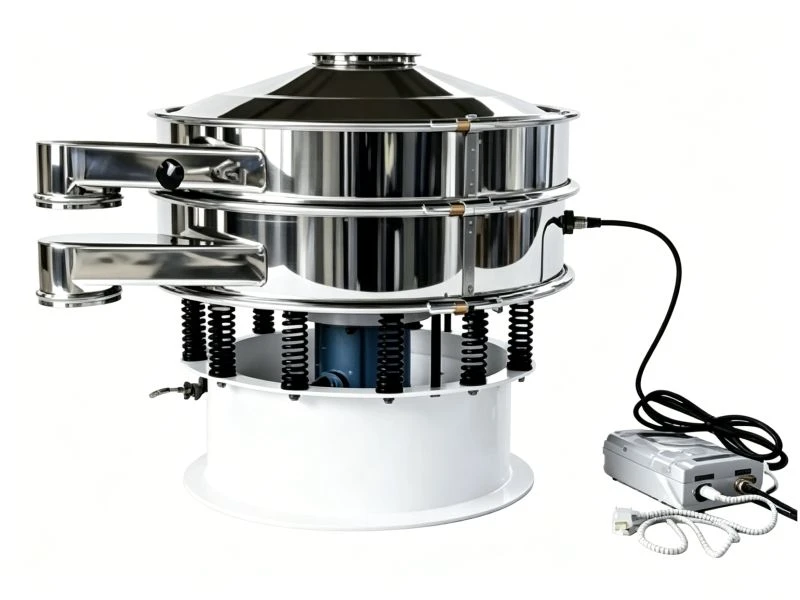
Why Fine Powder Screening Is More Challenging Than Coarse Materials
Fine powder screening is more demanding than coarse material separation because several physical and material factors interact and reduce screening efficiency.
1. Small Particle Size, Static Electricity Leads to Powder Adhesion
Powders with a particle size ≤50μm have exceptionally high surface energy, causing them to clump together like magnets. You can feel them sticking together when you rub them by hand.
2. High Risk of Screen Clogging
Some particles may get stuck in the screen holes, or hard agglomerates may directly enter, clogging the screen. Traditional vibrating screens increase the amplitude to clear the screen, but this only makes the material more compacted, like building a snowball.
3. Easy Agglomeration
During sieving, the material is vibrated on the screen surface. Gravity and friction cause the initially dispersed particles to clump together again, forming “secondary agglomeration.” Fine powder gets trapped in these clumps, preventing it from passing through the screen.
4. Moisture Affects Sieving
Even small changes in moisture content can significantly alter the properties of the powder. Slightly damp powder tends to become sticky and less fluid, thus slowing its passage through the sieve and increasing the risk of clogging.
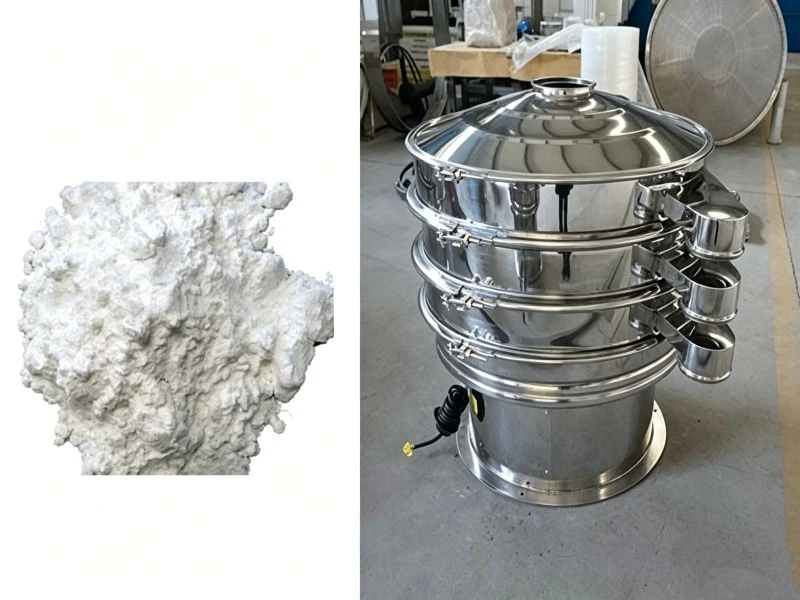
Which Mesh Size Is Best for Fine Powder Sieving?
Selecting the right fine mesh sieve depends primarily on the particle size of the material and the required level of separation accuracy. In industrial powder screening applications, mesh size directly determines whether particles can pass through efficiently or become trapped on the screen surface.
The table below provides a practical reference between particle size, recommended mesh, and typical applications:
Quartz sand
10–140 mesh. Low mesh is used for coarse sieving to remove impurities, while high mesh is used for fine grading; the range is relatively large.
Starch
80–120 mesh. The commonly used range for food and industrial starch, balancing fineness and sieving efficiency.
Lithium-ion battery cathode
200–400 mesh. High requirements for particle size distribution; sieve precision directly affects battery performance.
Copper powder
500 mesh and above. Applications such as conductive slurries require high fineness; some applications already use 600 or 800 mesh.
| Mesh | Aperture | Mesh | Aperture | Mesh | Aperture |
| 5 | 4 mm | 50 | 0.3 mm | 170 | 0.09 mm |
| 8 | 2.36 mm | 60 | 0.25 mm | 200 | 0.075 mm |
| 10 | 2 mm | 70 | 0.2 mm | 230 | 0.063 mm |
| 16 | 1.18 mm | 80 | 0.18 mm | 270 | 0.053 mm |
| 20 | 0.85 mm | 100 | 0.15 mm | 325 | 0.045 mm |
| 30 | 0.6 mm | 120 | 0.125 mm | 400 | 0.038 mm |
| 40 | 0.425 mm | 140 | 0.1 mm | 500 | 0.028 mm |
Types of Industrial Vibratory Sifters Used for Fine Powder
Industrial Vibratory Sieve
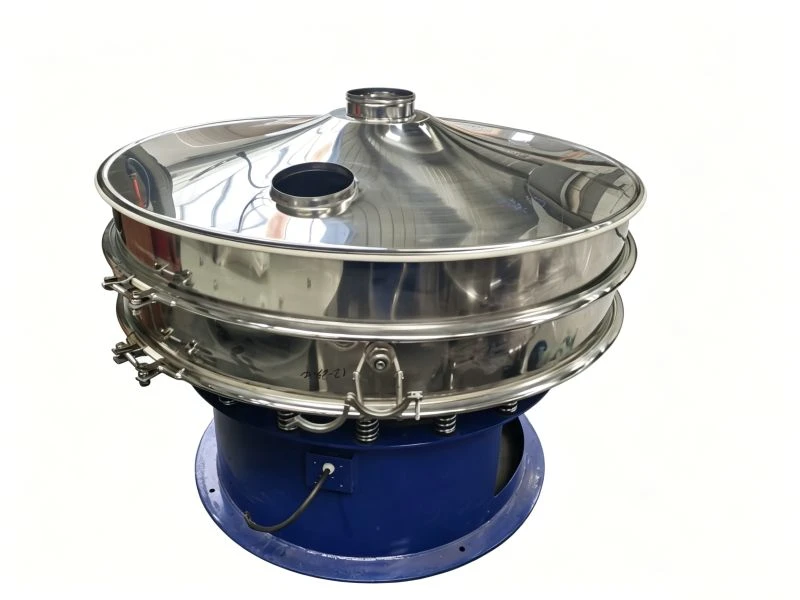
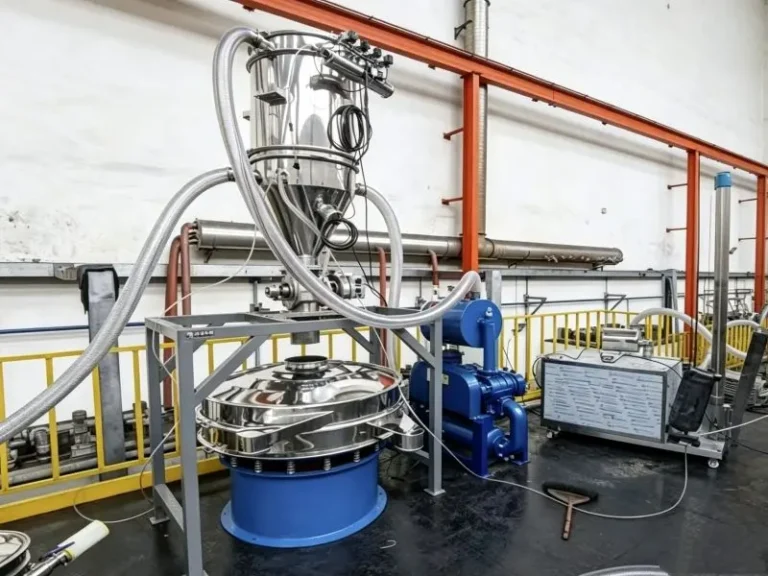
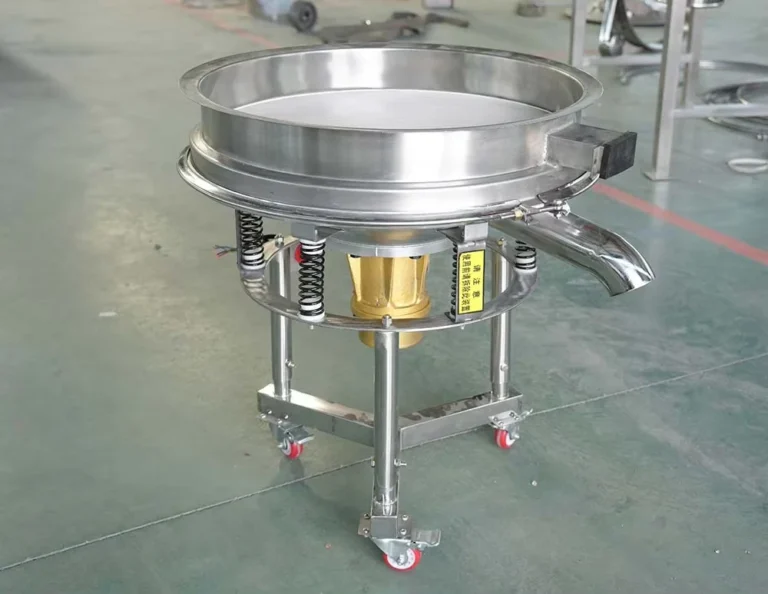
The industrial vibro sifter is the most widely used equipment in fine powder processing.This type of industrial vibratory sifter is well-suited for medium to fine powders with relatively good flowability. It is commonly used in food, chemical, and pharmaceutical industries where consistent throughput is required.
Stable and continuous operation for high-volume production
Suitable for general fine powder applications
Works well with standard mesh size ranges
Simple structure with easy maintenance
However, when dealing with very fine or sticky powders, traditional vibratory systems may experience mesh blinding or reduced efficiency without additional anti-blocking features.
Ultrasonic Vibro Sifter
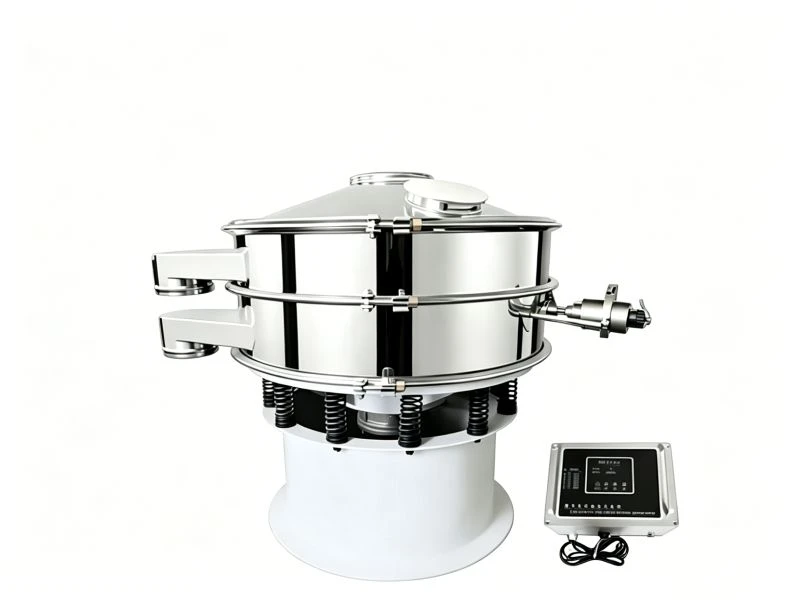
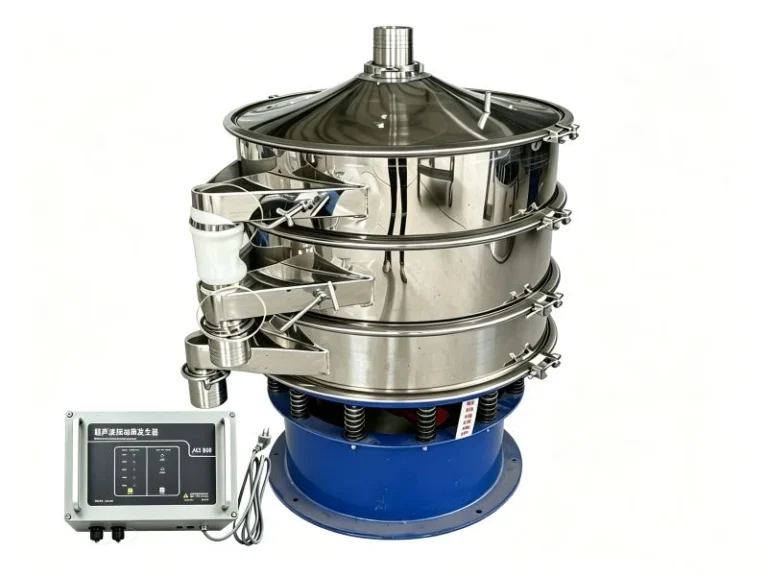
This ultrasonic vibrating screen superimposes 30kHz high-frequency ultrasound onto traditional three-dimensional vibration, causing the screen mesh to vibrate continuously with a small amplitude. This breaks the surface tension of the powder, fundamentally solving the problem of screen clogging. It exhibits extremely high screening efficiency, especially for ultrafine powders of 200 mesh and above.
Eliminates mesh clogging and blinding
Significantly improves screening accuracy for ultrafine powders
Ideal for sticky, electrostatic, or lightweight powders
Enhances throughput without increasing mesh size
It is commonly used in high-precision industries such as pharmaceuticals, battery materials, and fine chemicals where consistent particle distribution is critical.
Tumbler Screen Machine
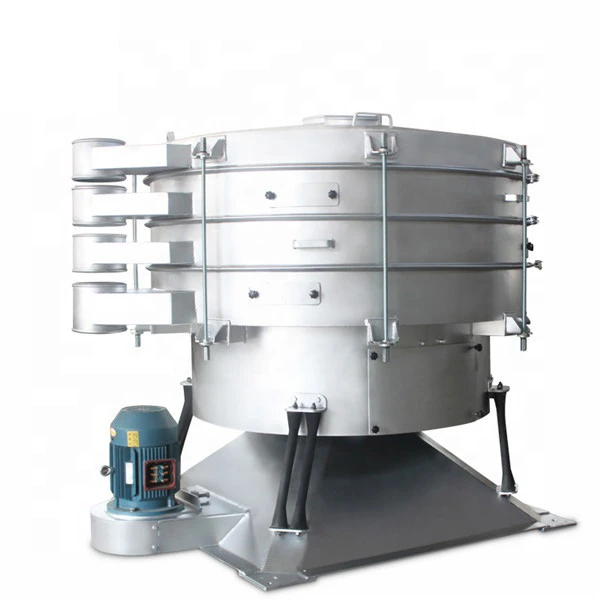
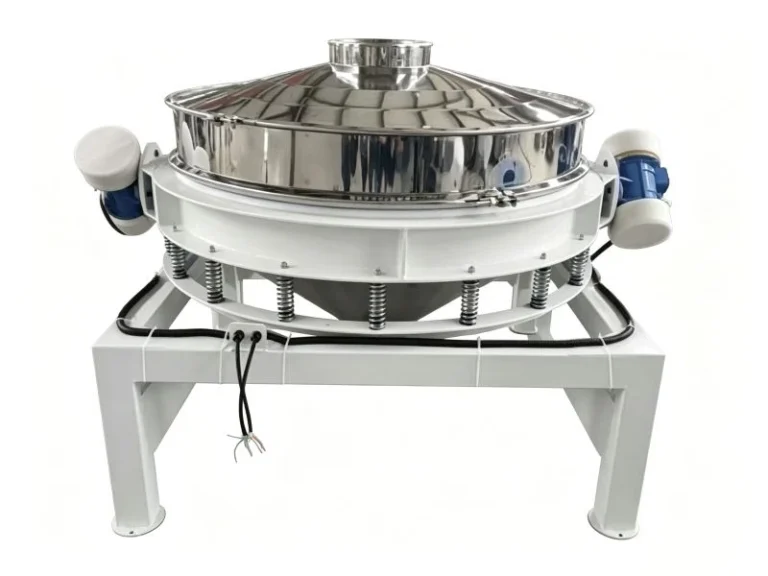
The tumbler sifter simulates manual sieving motion through a low-frequency, three-dimensional tumbling movement. This gentle screening action allows particles to spread evenly across the screen surface, increasing contact time and improving separation efficiency.
It is especially suitable for fragile or irregularly shaped particles that could be damaged by high vibration intensity.
Gentle screening action protects fragile particles
High precision separation for complex particle shapes
Excellent for large-capacity fine classification
Reduces particle degradation during screening
The tumbler screen is often chosen for applications requiring high accuracy and low product breakage, such as specialty chemicals and high-value powders.For ultra-fine powders with higher mesh sizes, an ultrasonic system can also be installed to improve screening efficiency.
When to configure an ultrasonic screening system
1. Fineness
For particles ≤100μm, ordinary industrial vibratory sifters are insufficient for fine sieving; adding ultrasonic filters is recommended. For particles ≤50μm, adding ultrasonic filters is strongly recommended; without them, continuous production is extremely difficult. Ultrasonic systems can process particles down to 35μm.
2. Moisture
For ultrafine powders with a moisture content >3%, a water film easily forms on the sieve, causing particles to clump together. The self-cleaning effect of ultrasonic waves can break up this water film, with immediate results.
3. Viscosity
Some materials have extremely high static electricity (such as certain resin powders), or a very high apparent specific gravity, or a fibrous or flaky structure. Without ultrasonic filters, the sieve will clog quickly.
Related Videos of Industrial Vibratory Sifters
Maintenance Tips for Industrial Vibratory Sifters
Proper maintenance is essential to keep industrial vibratory sifters for powder processing running efficiently and to ensure stable powder screening performance over time. Regular checks help prevent downtime, reduce wear, and maintain consistent separation quality.
Daily inspection
Check vibration status, fastening parts, and screen condition before operation.
Mesh replacement
Replace damaged or worn mesh promptly to avoid product contamination or reduced accuracy.
Cleaning procedures
Clean the sieve after each batch, especially when handling sticky or fine materials, to prevent clogging.
Lubrication
Regularly lubricate moving components to ensure smooth operation and reduce mechanical wear.
Preventive maintenance
Schedule routine inspections of motors, seals, and structural parts to detect issues early and extend equipment lifespan.
Conclusion
For applications involving fine or challenging materials, choosing the right setup of Related Videos of industrial vibratory sifters for powder processing is critical to achieving consistent results and long-term production reliability. A well-matched system ensures stable operation, reduces clogging risk, and improves overall screening efficiency.
If you need a tailored solution for your specific material, our professional guidance on equipment selection and mesh configuration can help you achieve better screening performance and lower operational costs.